
Home Gym
Best Anti-Vibration Mats for Treadmills of 2026
We tested anti-vibration mats under treadmills and walking pads to find stable, floor-safe picks for hardwood, carpet, and small spaces.
Section
Explore articles and practical guides on home gym, including product comparisons that put real-life needs and trade-offs first.
We tested anti-vibration mats under treadmills and walking pads to find stable, floor-safe picks for hardwood, carpet, and small spaces.

We tested interlocking foam gym tiles for coverage, cushioning, grip, and durability. Here are the best picks for home gyms, garages, and small spaces.

We tested kettlebell racks and stands for load capacity, shelf shape, and footprint, and picked the ones that keep round bells secure and off the floor.

We tested wall-mounted racks and hangers to find the best resistance band storage for small walls, big collections, and garage gyms.
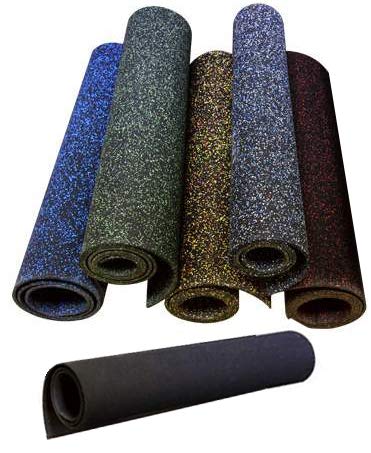
We tested rubber flooring rolls for home gyms, garages, and utility spaces. Here are the best picks for thickness, coverage, grip, and flatness.
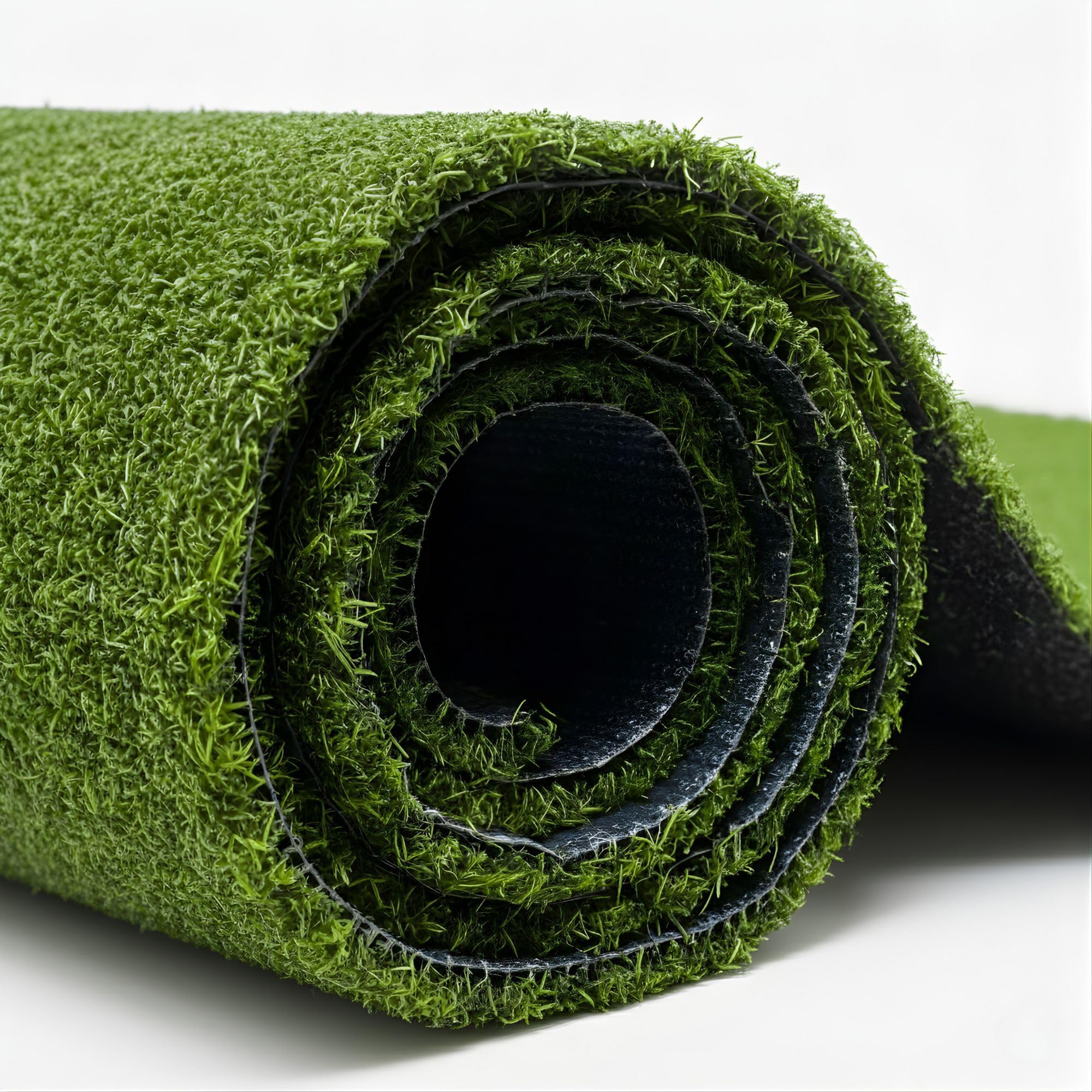
We tested turf for sled pushes and pulls. Here are the best firm, low-pile options for garage gyms and backyards, plus what to anchor and avoid.

We rolled out five turf options for home gyms and ranked them for cushion, stability, coverage, and upkeep.

We tested gym storage racks for dumbbells, mats, bars, and bands. Here's what holds a full set without wobbling or eating your floor space.

We tested seven disinfectant sprays for gym equipment. CloroxPro EcoClean wins on a 30-second contact time; here is what to buy for mats, bags, and small rooms.
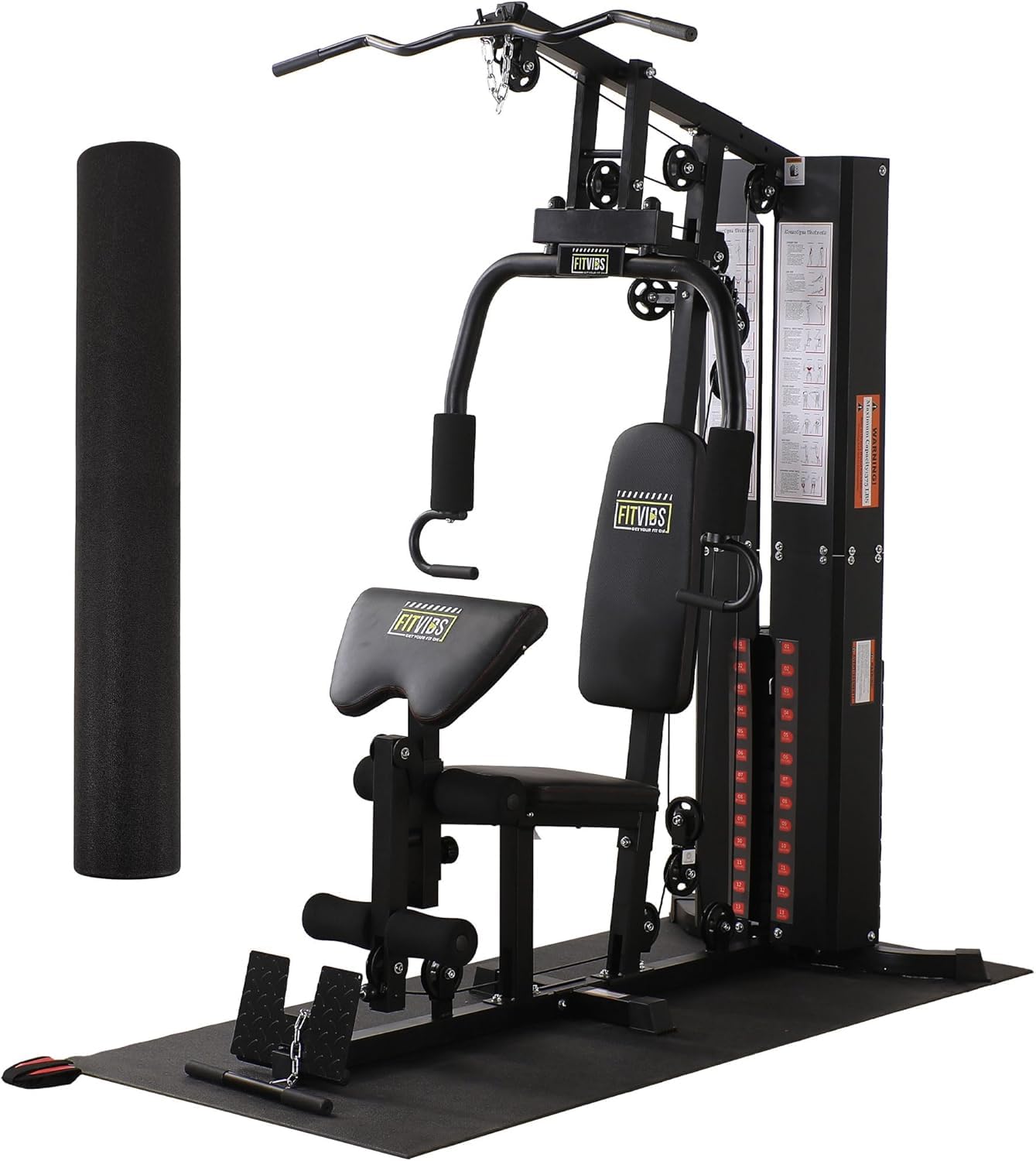
We tested mats under treadmills, bikes, and rowers to find the ones that protect floors, stay put, and don't make your machine wobble.

We tested interlocking foam and rubber gym tiles over carpet to find stable, cushioned picks for weights, floor work, and small workout corners.
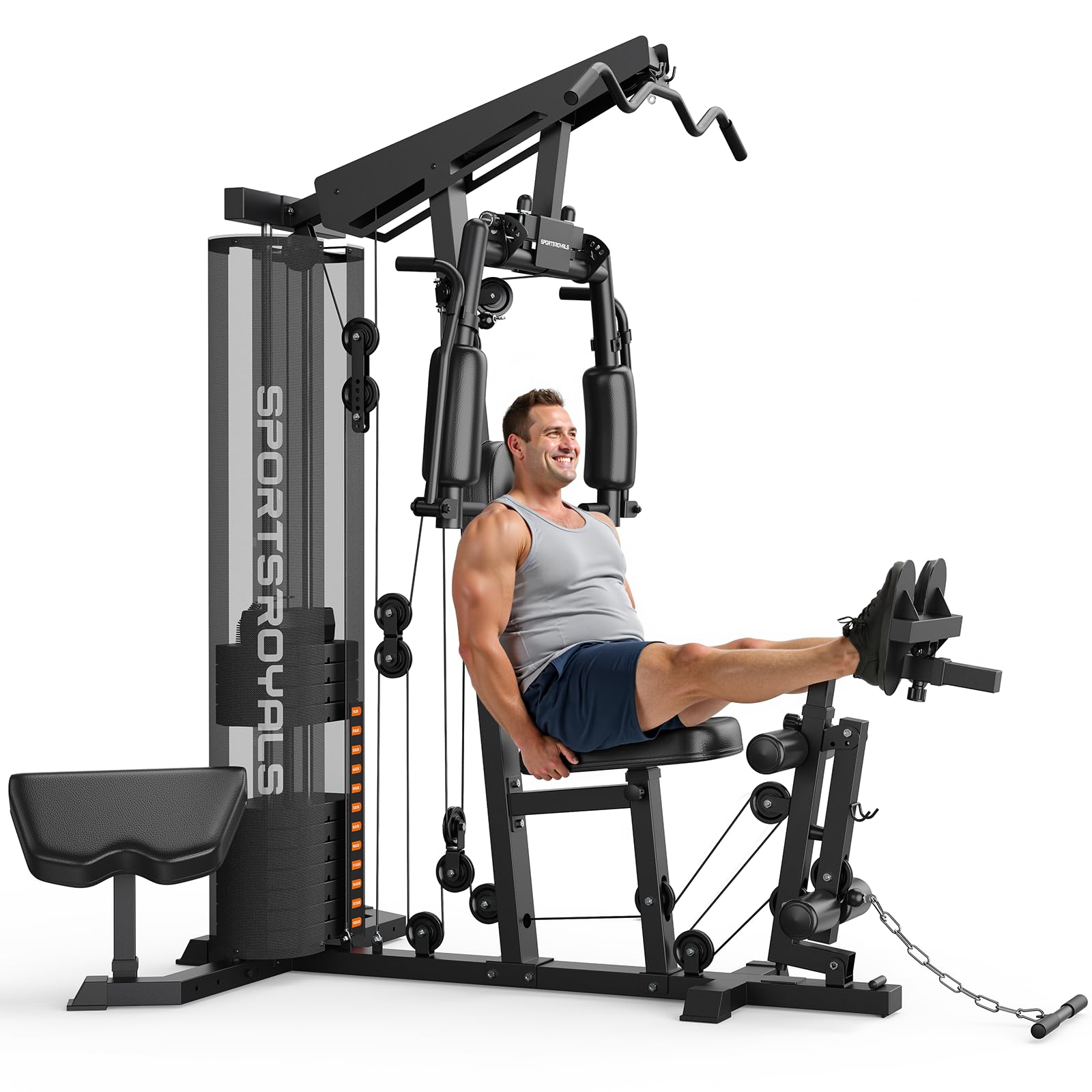
We tested home gyms with leg press stations. Here's how to choose one that fits your body, your room, and your strength goals.
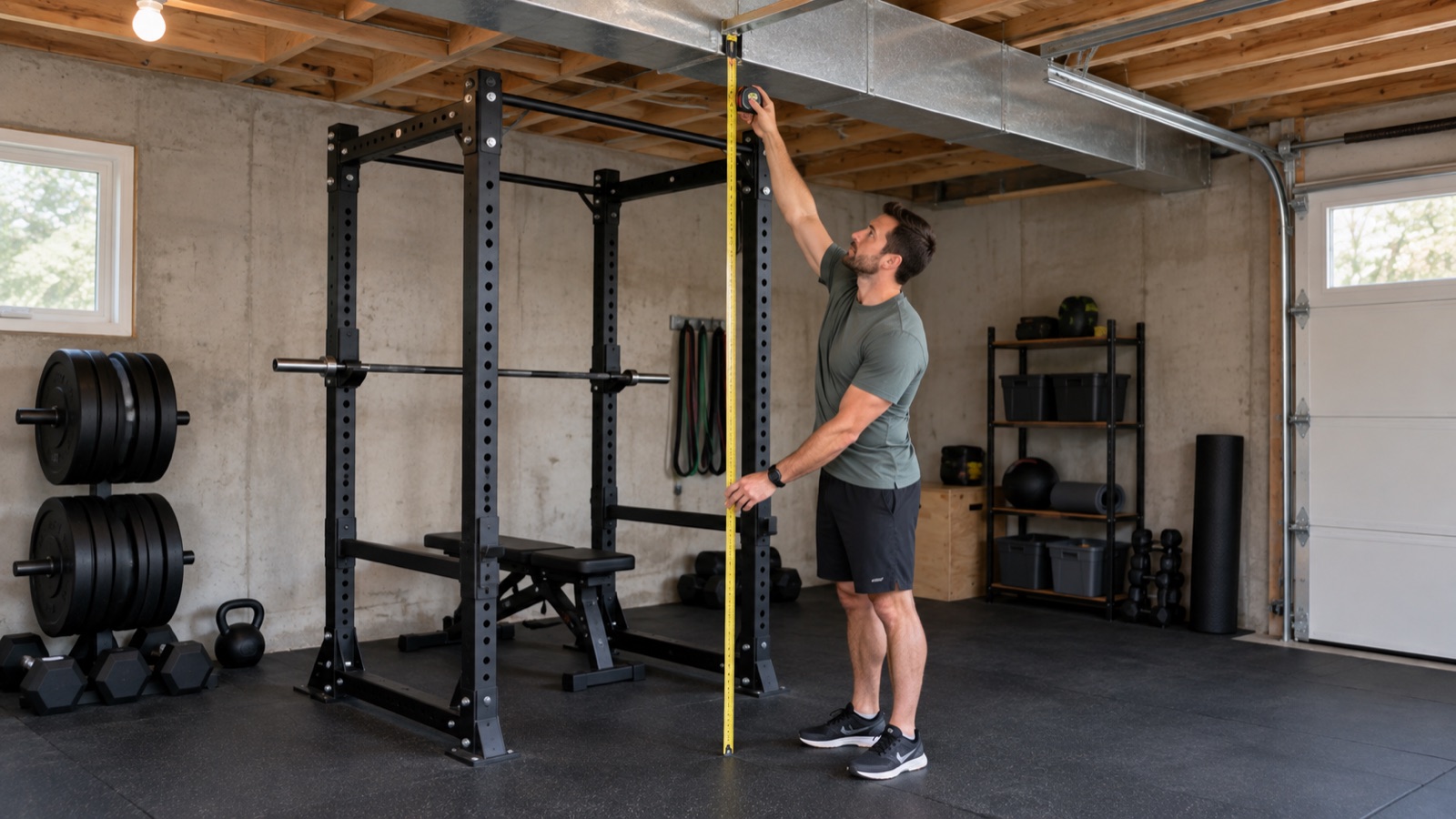
Calculate a planning ceiling height from your rack, pull-up position, overhead movement, lowest obstruction, and a visible margin instead of relying on a generic room-height rule.
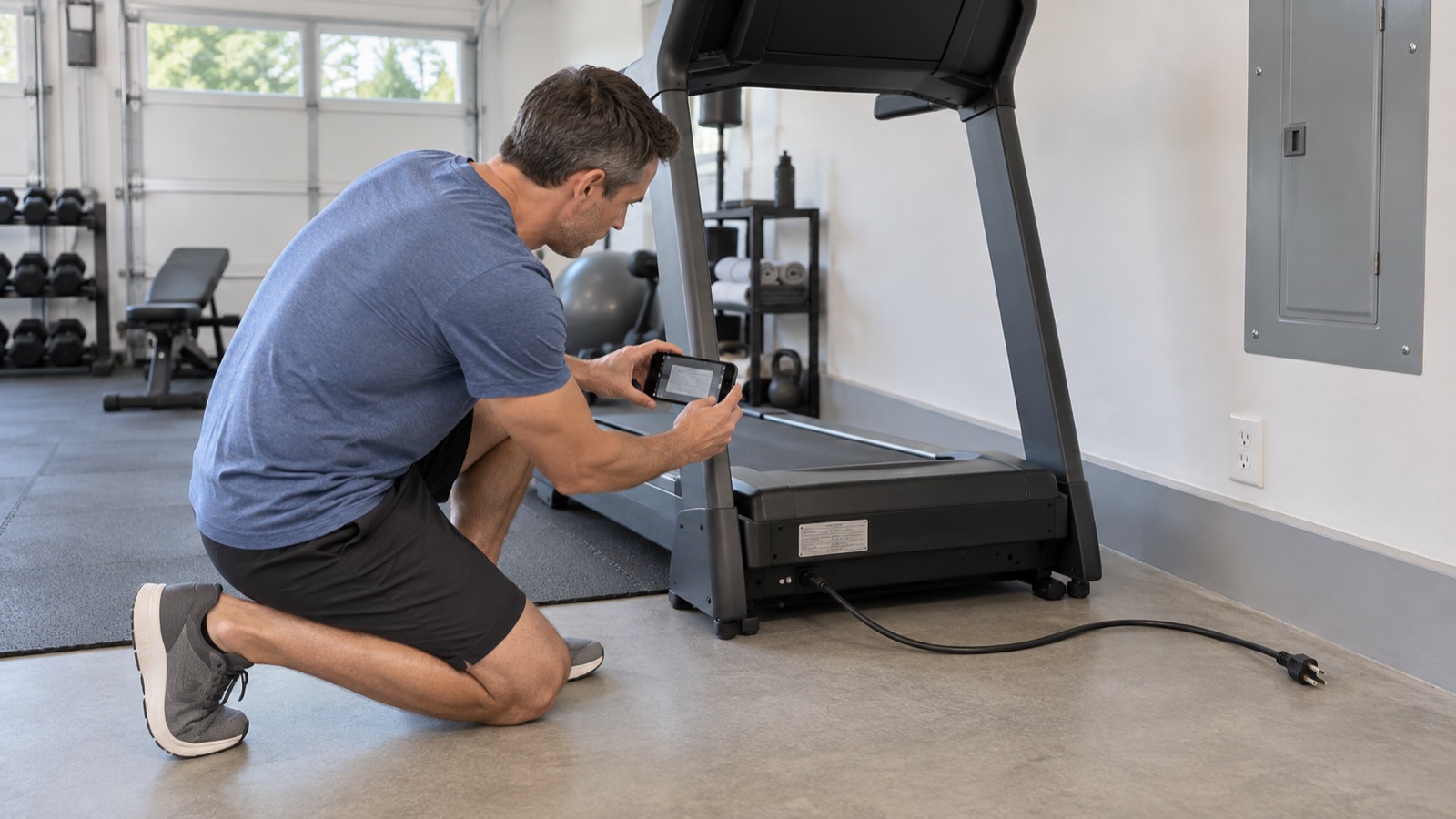
Inventory each powered machine's voltage, current, plug, grounding, and dedicated-circuit instructions before a licensed electrician evaluates outlets, protection, and room wiring.
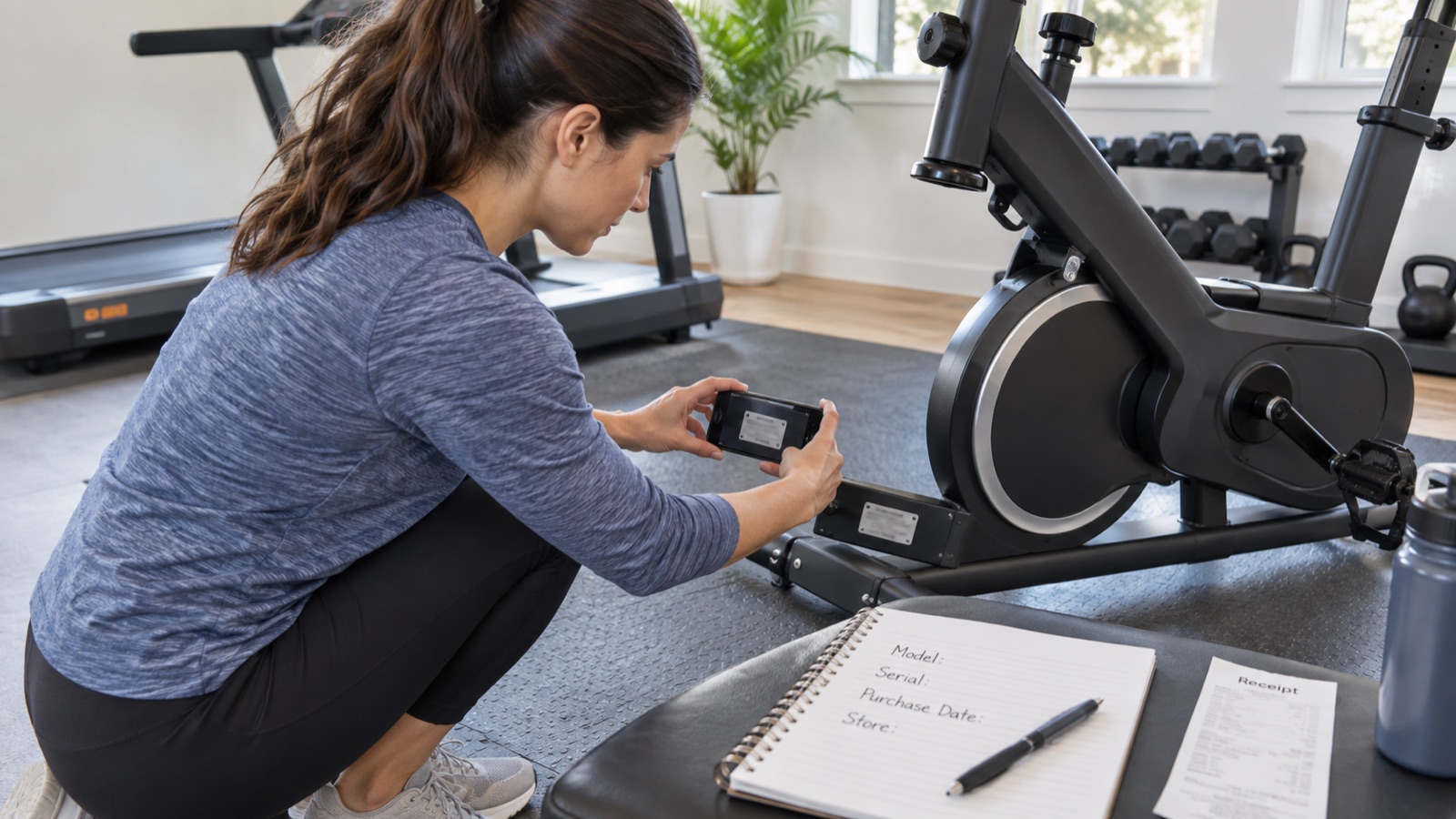
Search live U.S. CPSC recall data, then verify the exact model, serial range, manufacture date, hazard, and official remedy before using or reselling gym equipment.
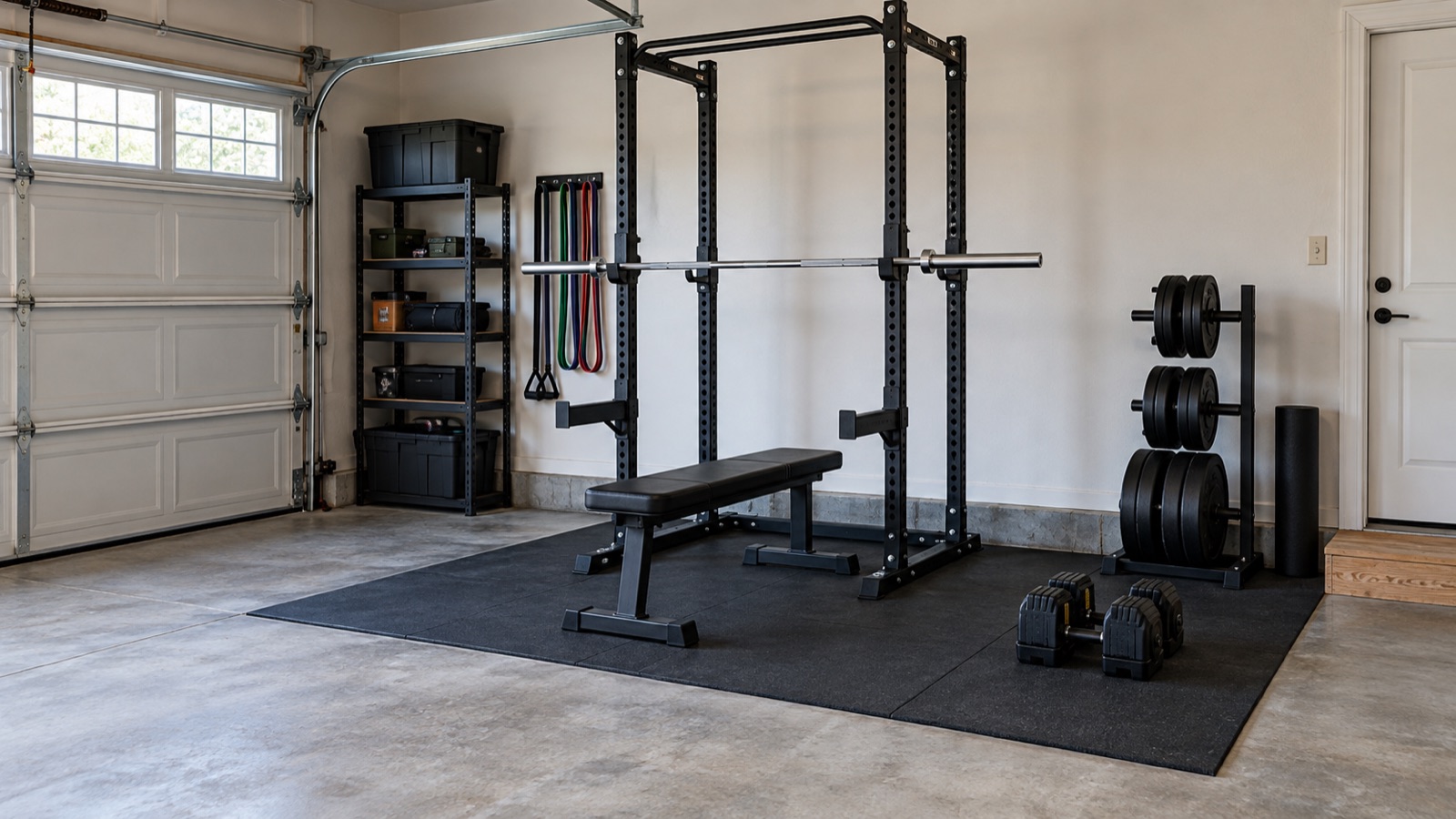
Build a home gym budget around the exercises you will perform, with realistic allowances for equipment, flooring, delivery, storage, and future weight increases.
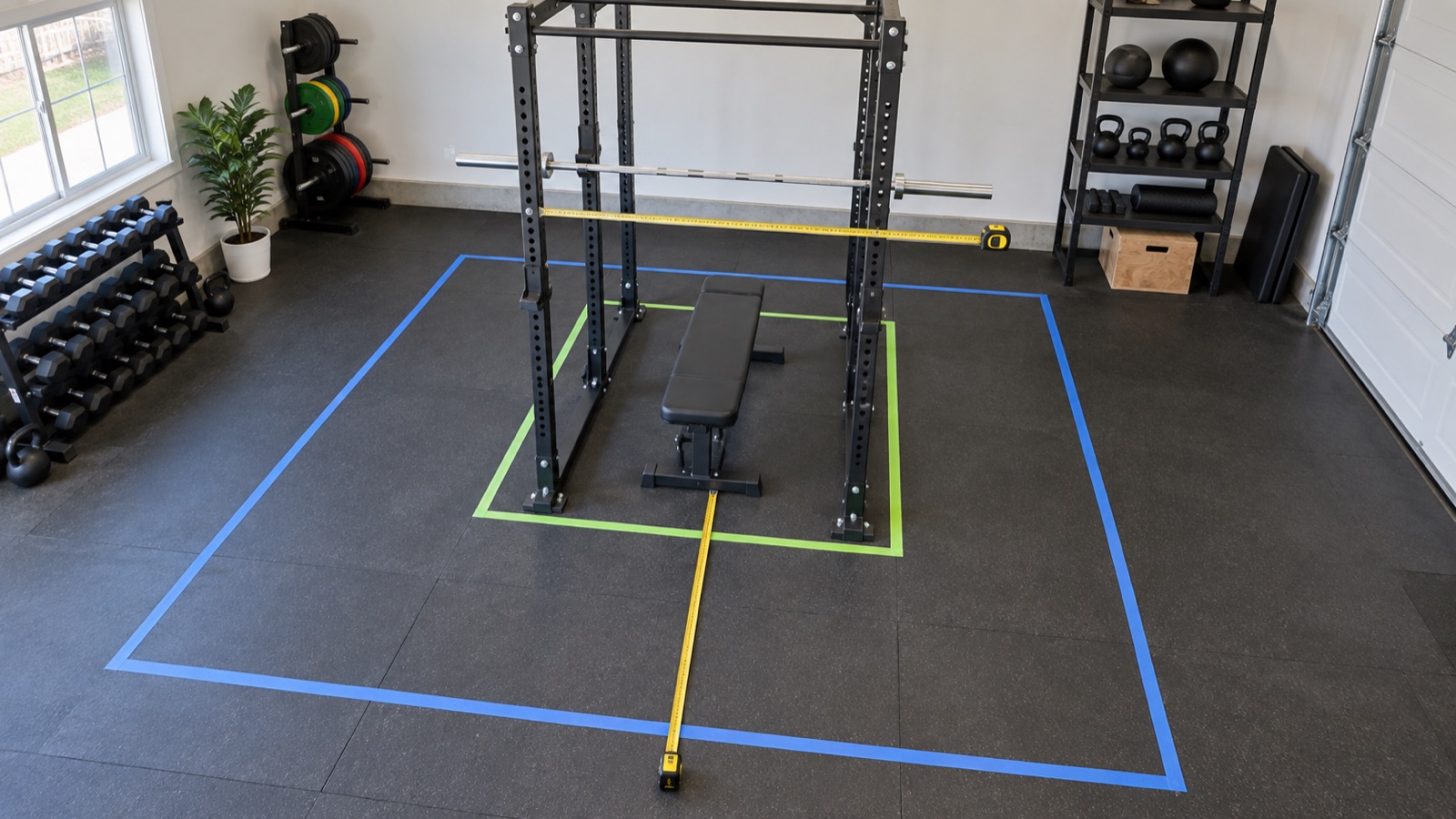
Calculate power-rack space from the barbell, loading clearance, rack depth, bench path, attachments, storage, doors, and the manufacturer's safety requirements.
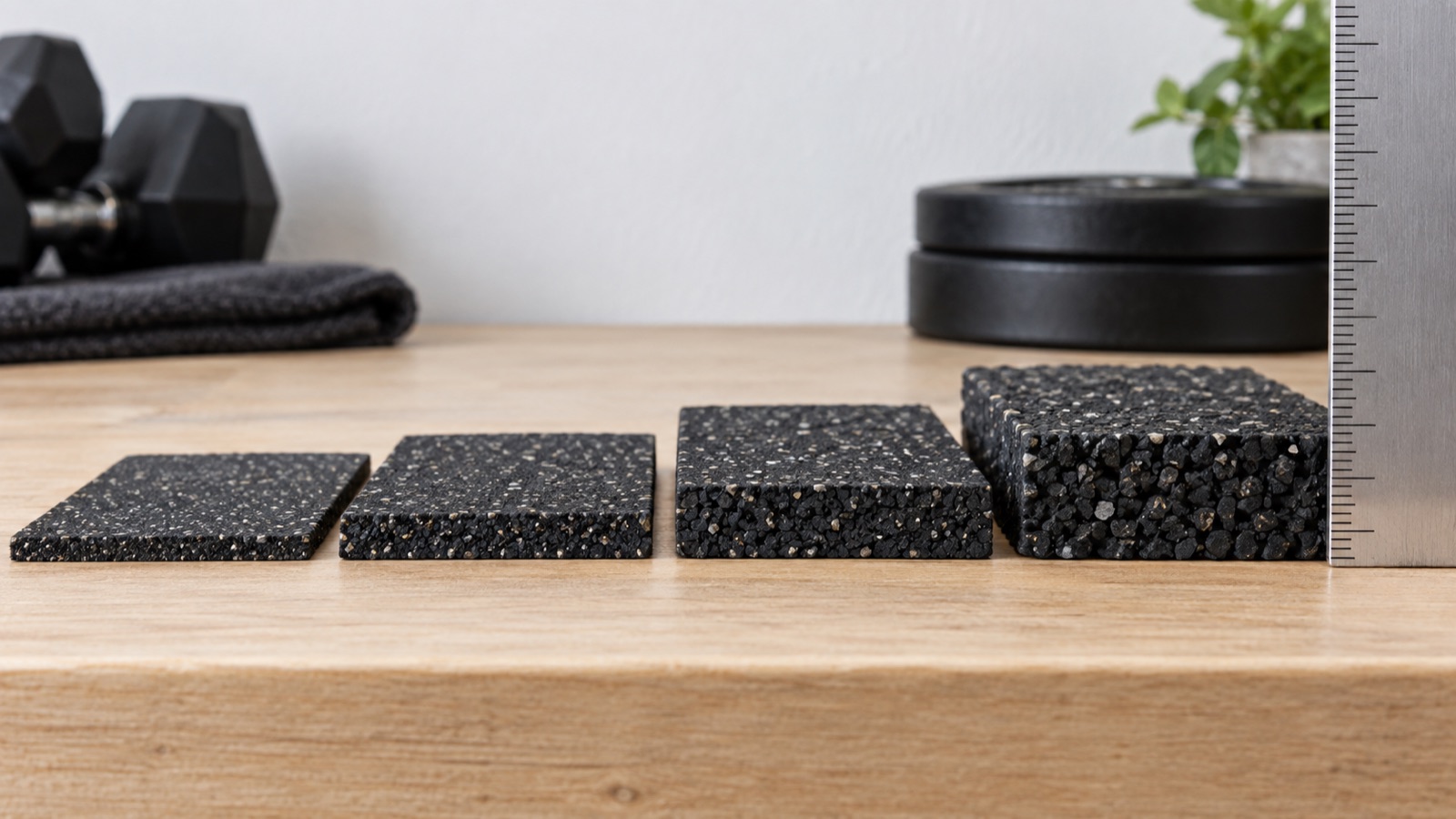
Choose rubber gym flooring by training impact, subfloor, and drop policy, with practical starting ranges from cardio areas to heavy free-weight zones.
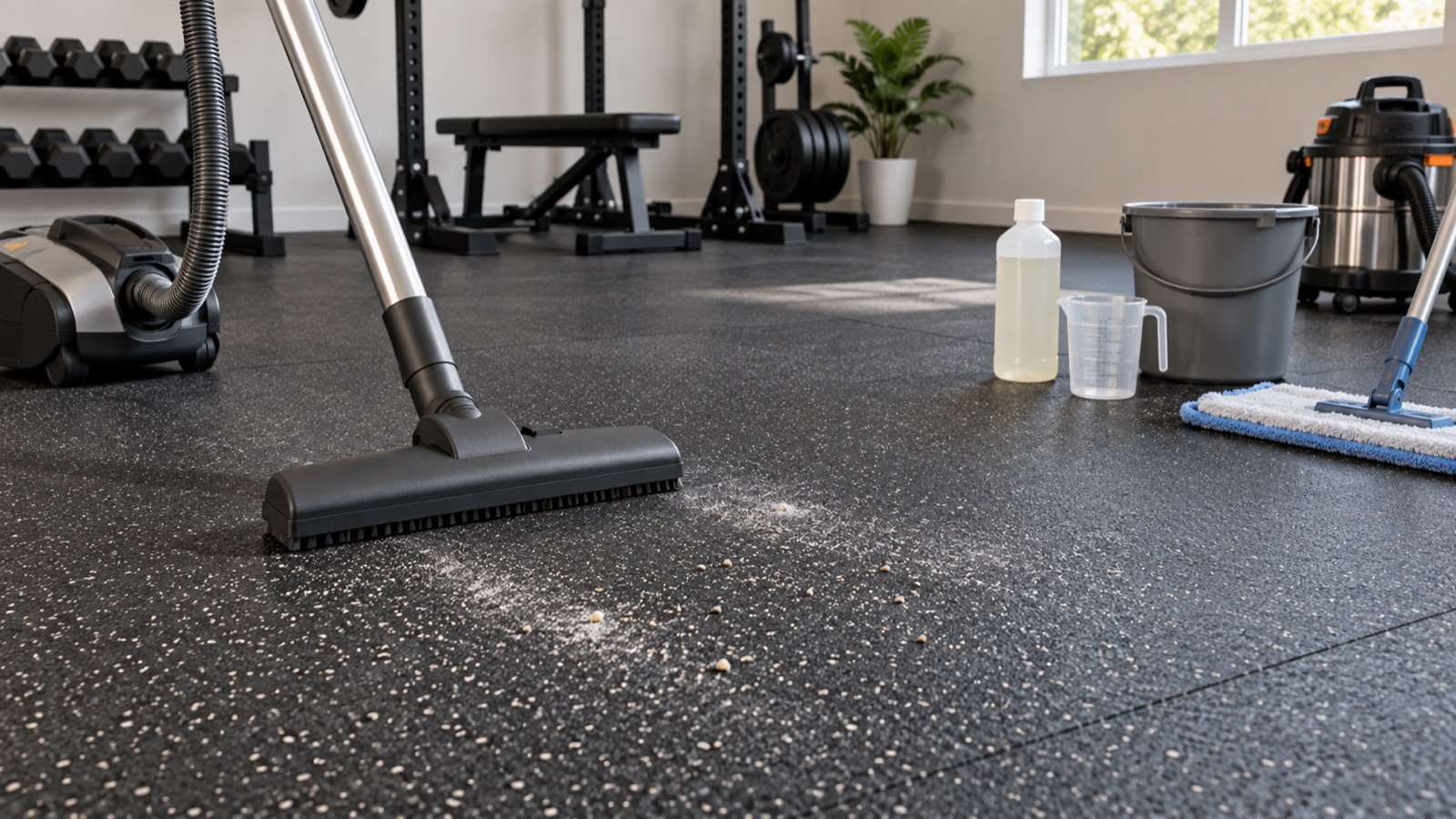
Remove grit, sweat, chalk, and residue from rubber gym flooring with a low-moisture process that follows the flooring maker's cleaner and equipment limits.
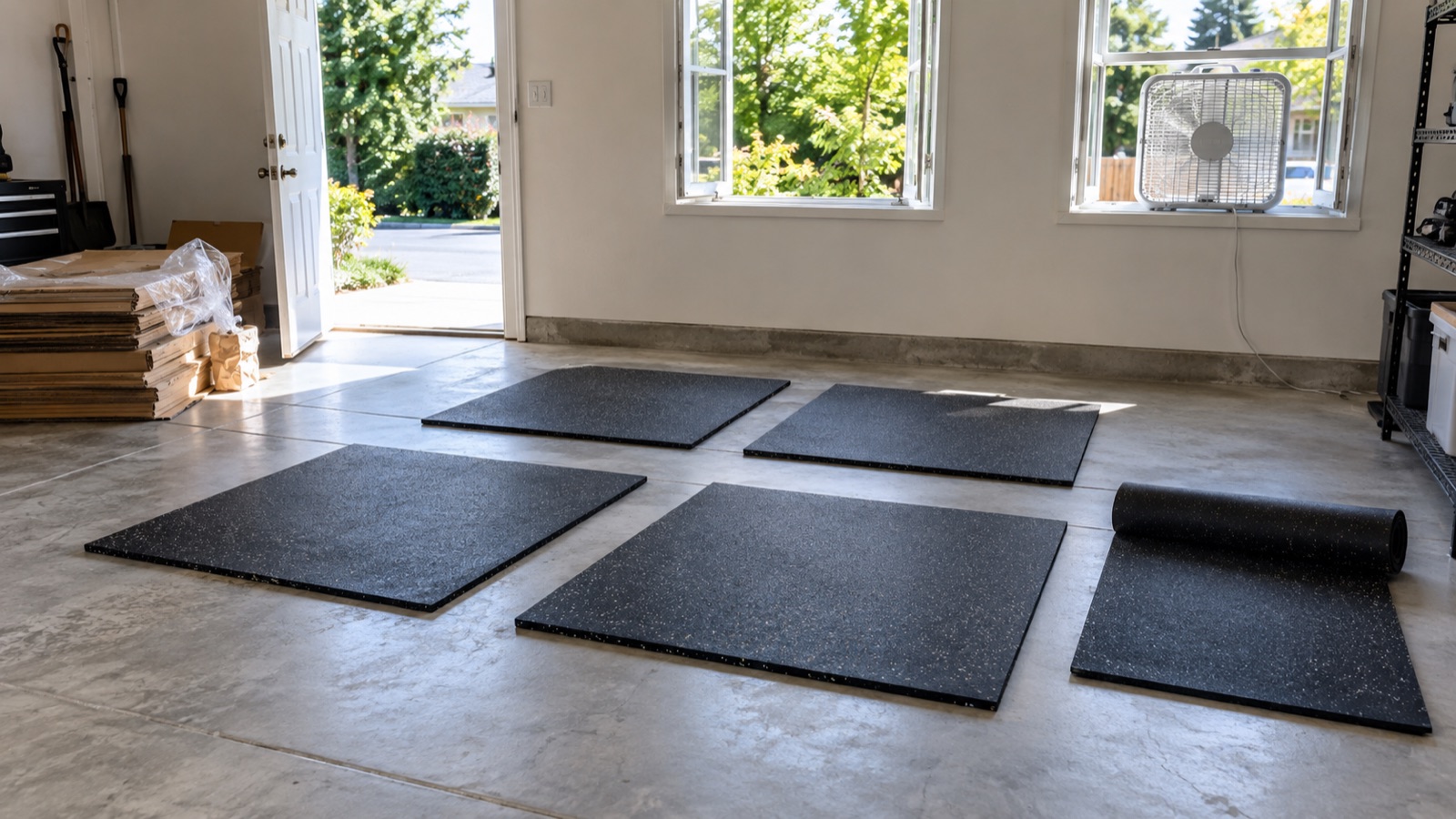
Identify whether a gym-mat odor is new rubber, trapped moisture, contamination, or an electrical problem before ventilating, cleaning, returning, or removing the source.
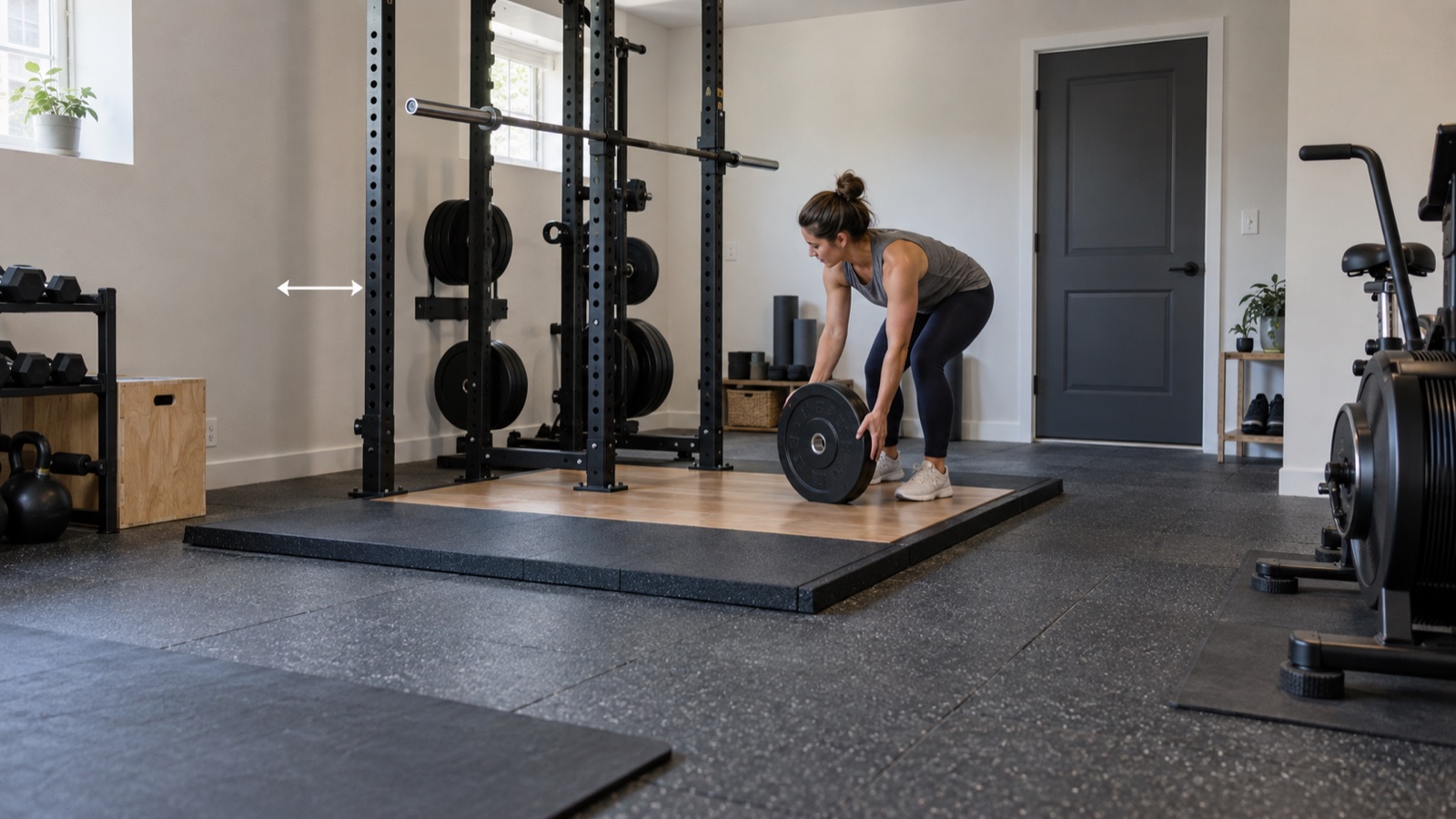
Diagnose whether home-gym noise is airborne sound, structure-borne impact, equipment vibration, or room echo before spending money on flooring or wall treatment.
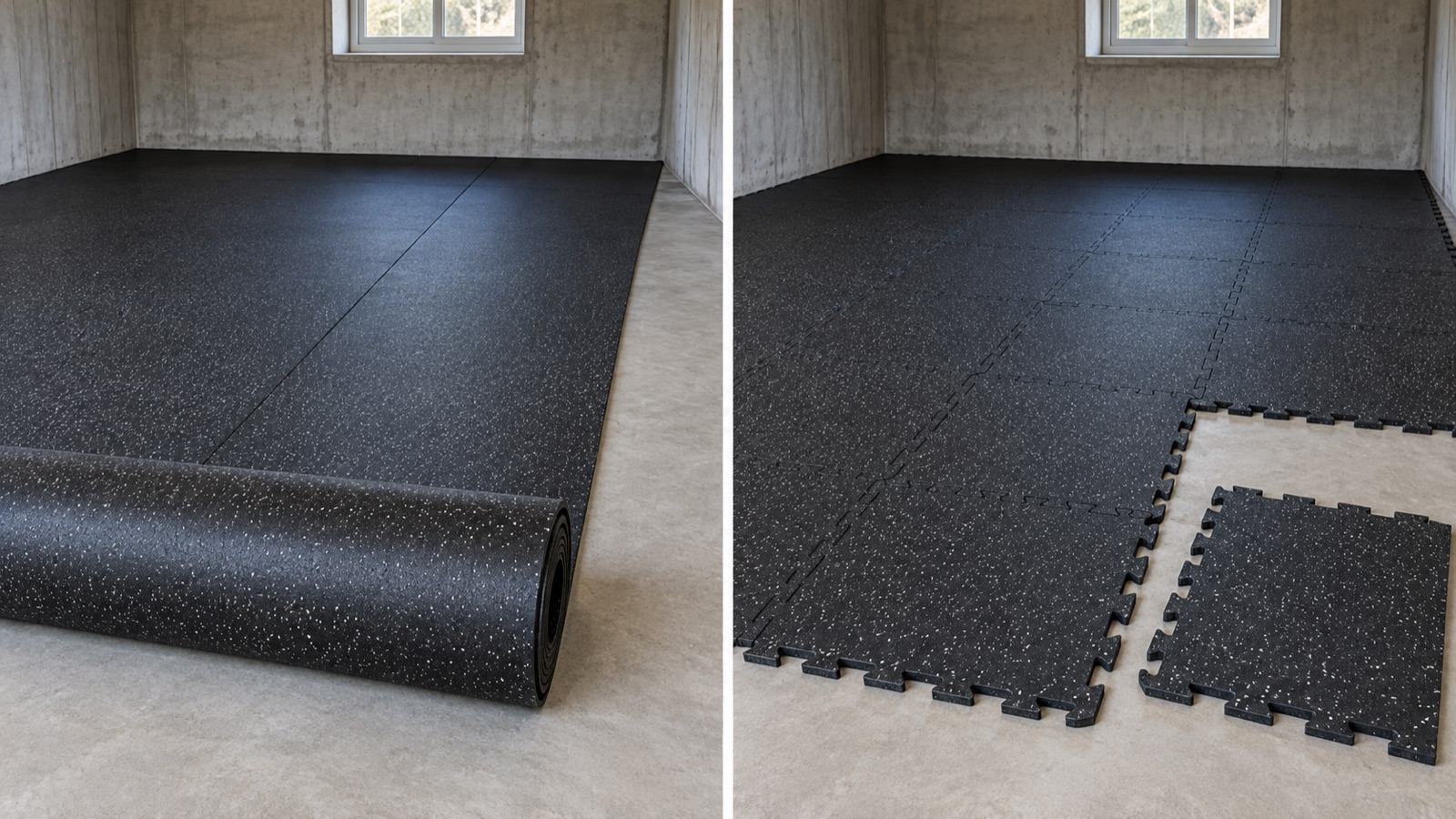
Compare rubber rolls and tiles by room geometry, seams, removal, repair, adhesive, waste, and impact rating instead of assuming one format is always better.

One machine, a full workout: we tested all-in-one home gyms and picked the ones worth the floor space, from a folding glideboard to a compact stack.
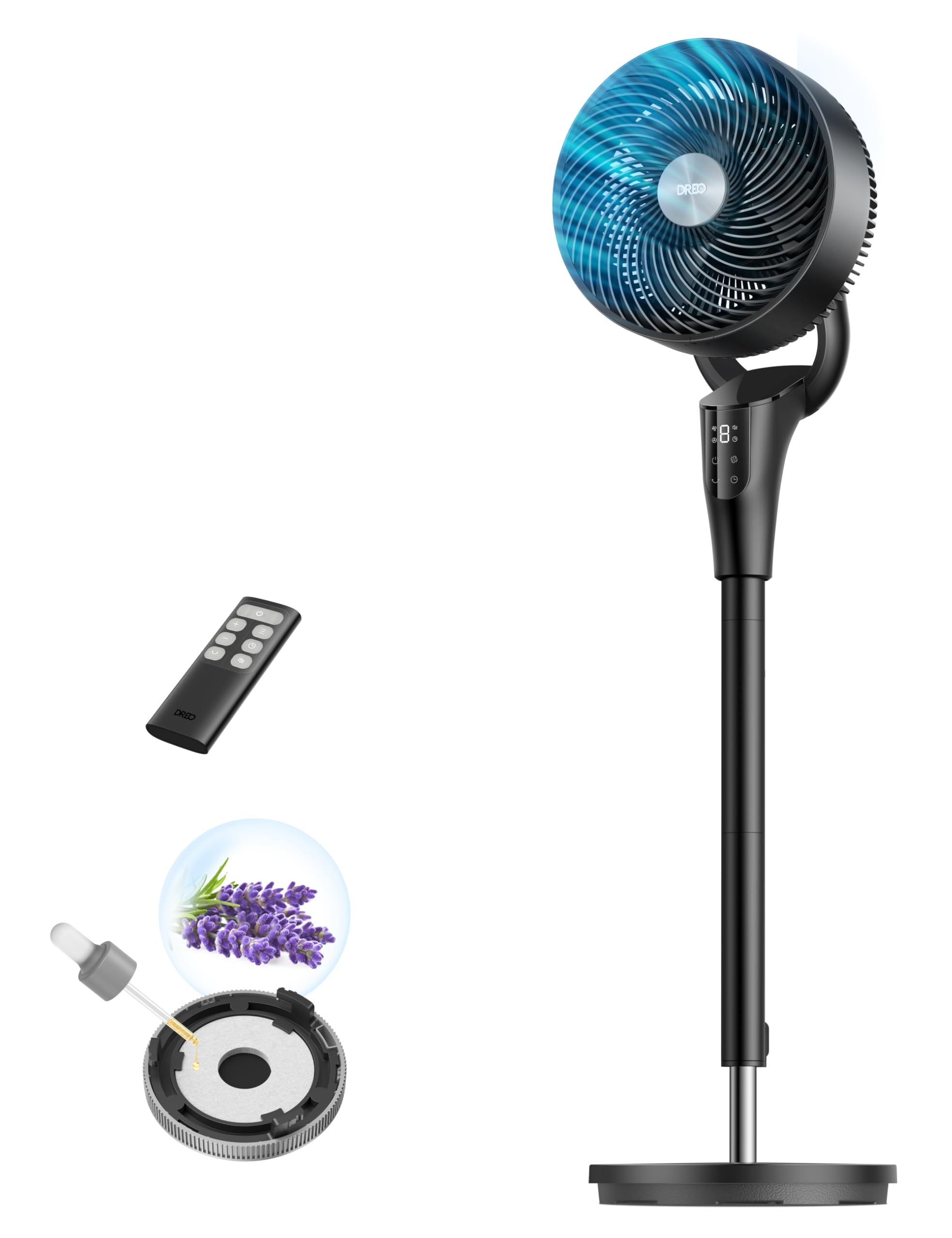
We tested home-gym fans for airflow, aim, noise, and durability. Our top pick covers a rack and floor work; garage and small-space picks follow.