
Strength & Weights
Best Boxing Headgear of 2026
We tested boxing headgear for sparring, MMA, and Muay Thai to find what protects without blocking your view or slipping mid-round.
Section
Explore articles and practical guides on strength & weights, including product comparisons that put real-life needs and trade-offs first.
We tested boxing headgear for sparring, MMA, and Muay Thai to find what protects without blocking your view or slipping mid-round.

We tested boxing mouthguards for fit, protection, breathing, and braces compatibility. Here are the picks we recommend for sparring, budget, and comfort.
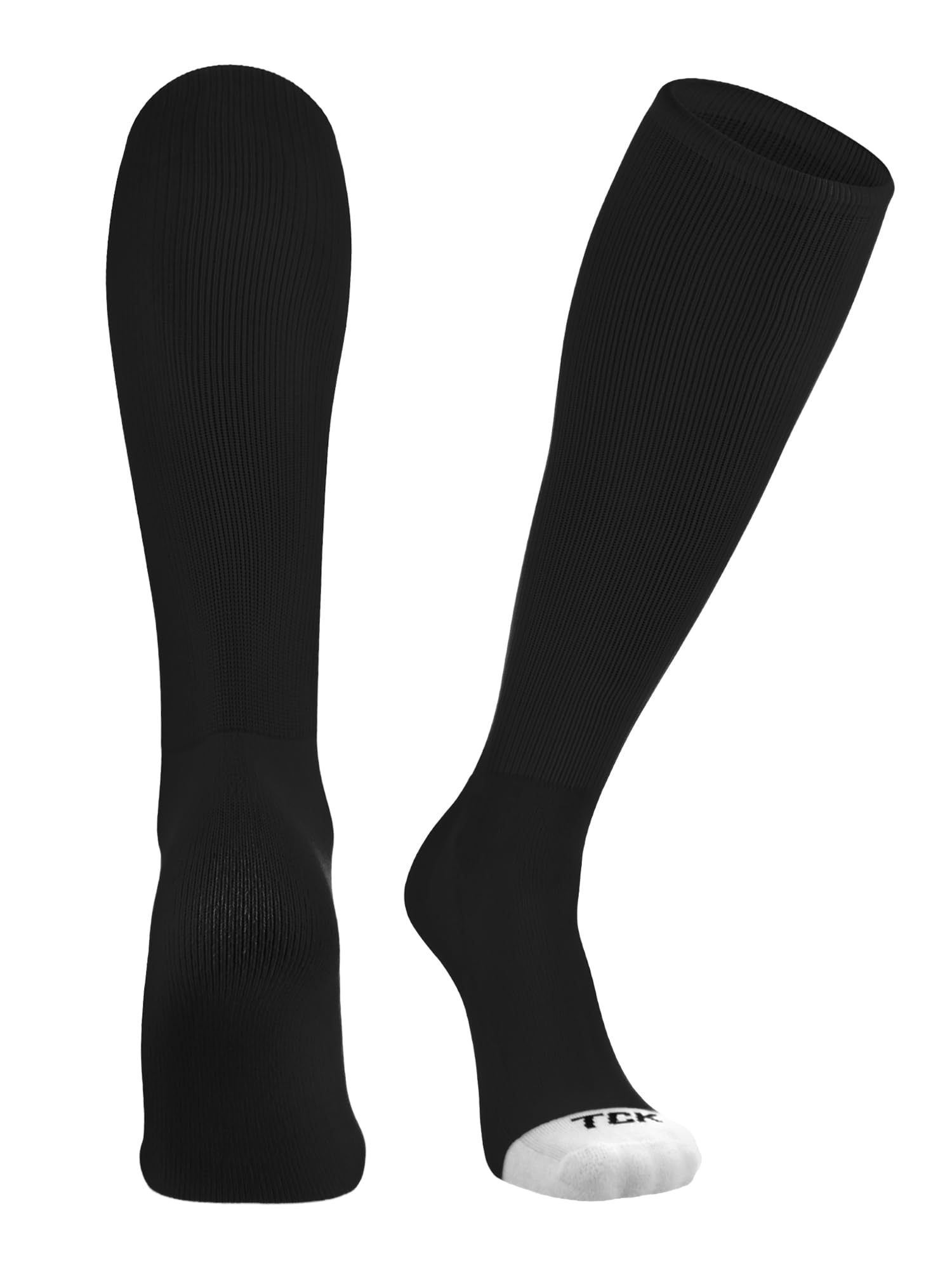
We tested knee-high athletic socks for deadlift shin coverage, comparing stay-up fit, cushioning, breathability, and durability.

We tested focus mitts for pad work, coaching, and home training. Leather, PU, and micro targets ranked by fit, padding, and how long they last.

We tested curved Thai pads, TKD targets, and full-size kick shields to find the ones worth buying for Muay Thai, kickboxing, and taekwondo.
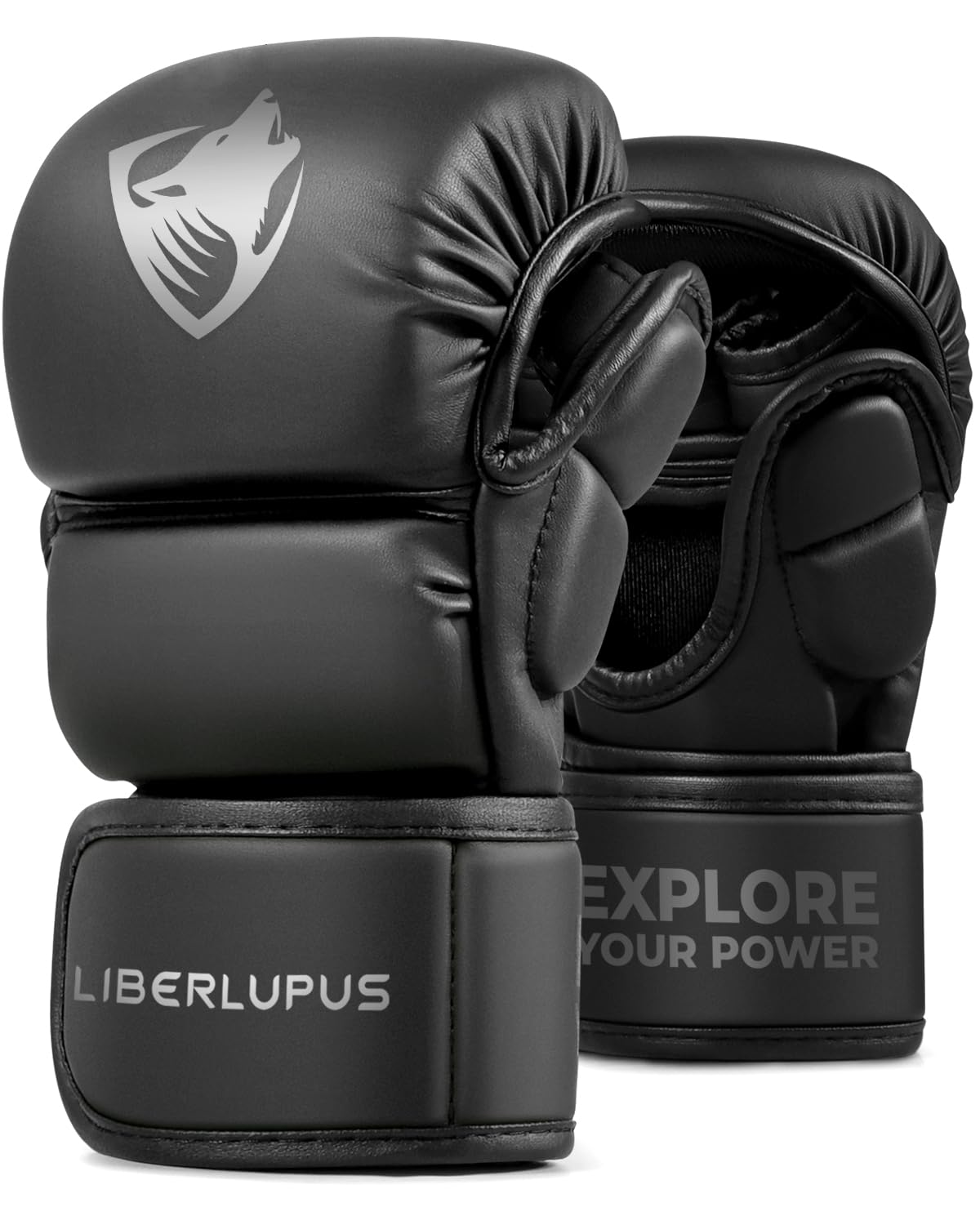
We tested open-palm MMA gloves for grappling, bag work and sparring. Here's what fits best, from a full-protection pick to a budget first pair.

We tested kickboxing shin guards for padding, fit, and stability. Here are the best for Muay Thai sparring, beginners, kids, and budget training.

We tested compact squat racks and stands for basements and garages, ranking them by ceiling clearance, stability, safety, and value.

We tested adjustable bench-and-rack sets to find the ones that press wide, squat deep, and fold away without pinching your grip.
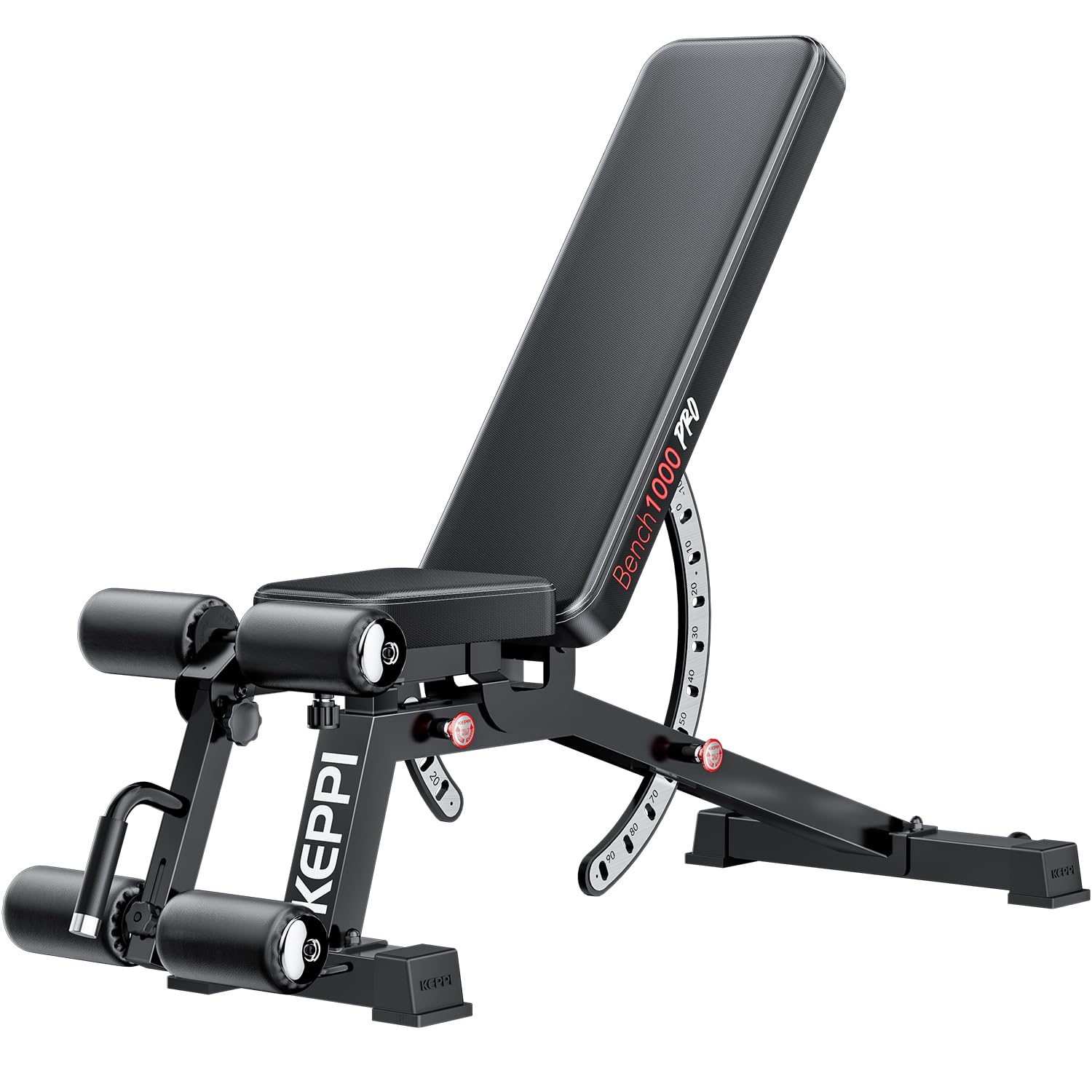
We tested decline benches for angle range, foot hold, deck height, and stability — and picked the ones that keep you secure head-down.

We tested sissy squat benches and picked the ones that stay planted through deep knee travel, fit a range of heights, and stow in a small room.
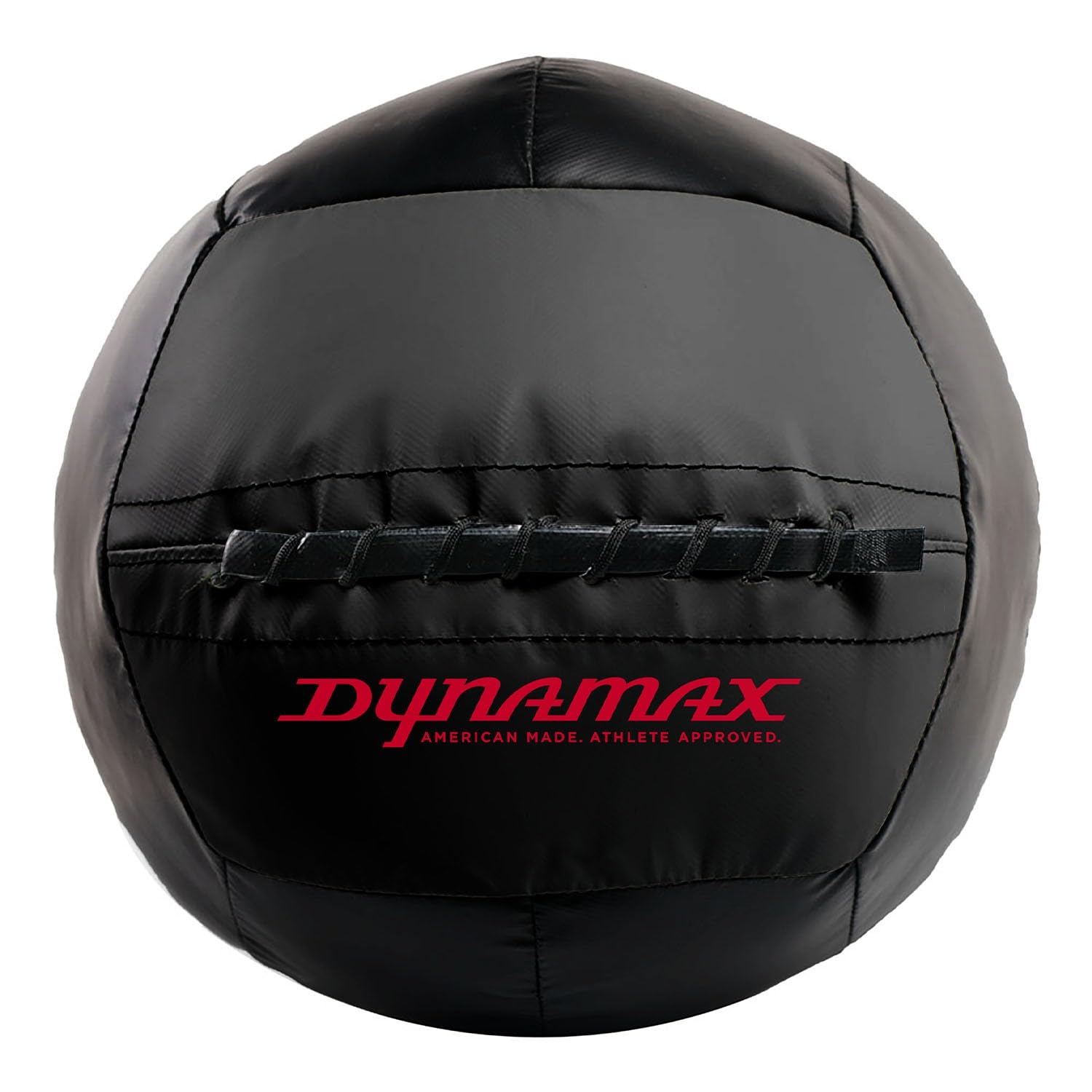
We tested soft wall balls for volume, balance, and grip. The Dynamax is our overall pick, the ProSource the value buy, and the JFit the 20 lb workhorse.
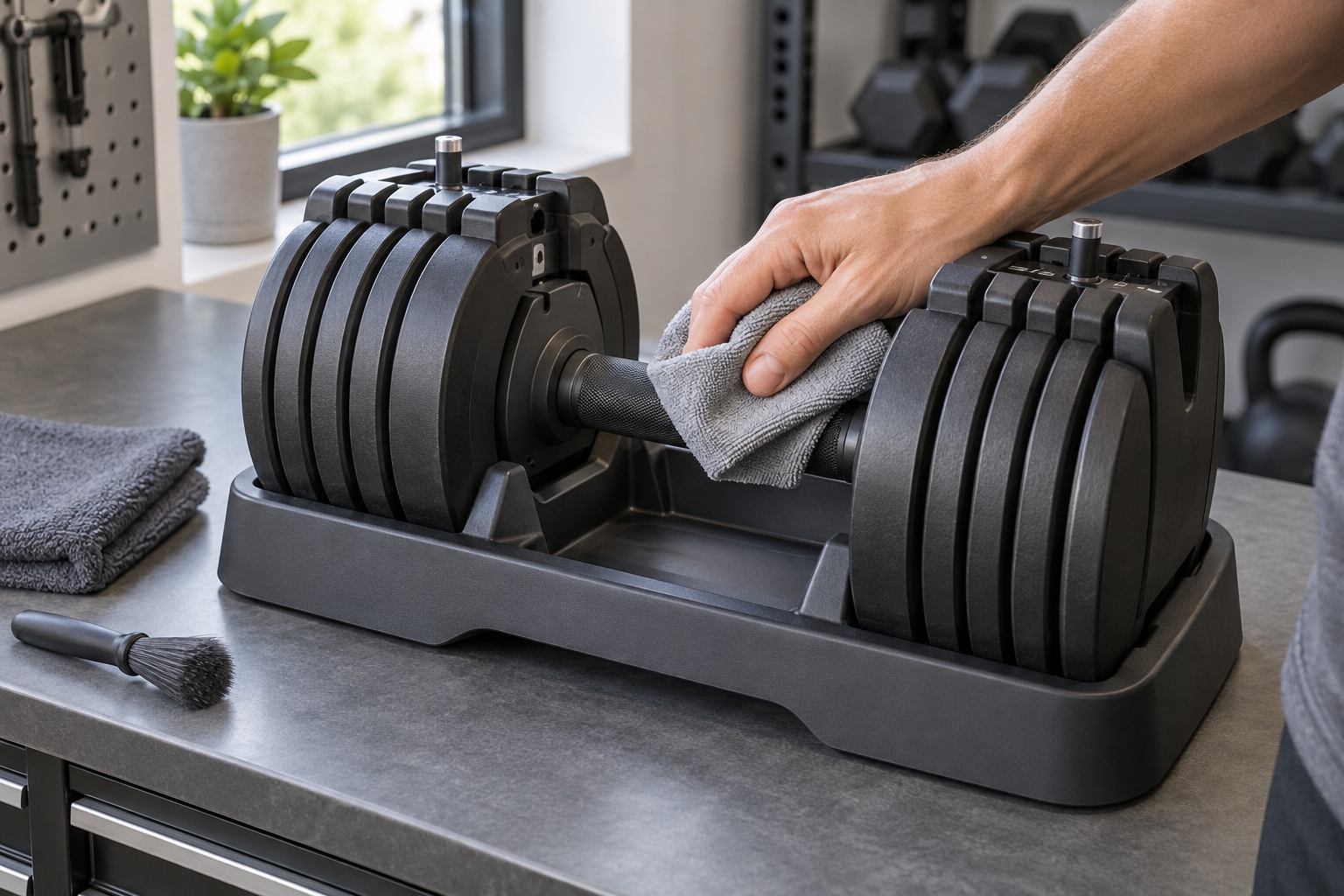
A model-aware checklist for wiping sweat, clearing plate interfaces, inspecting selectors and cradles, testing retention, and knowing when to stop using an adjustable dumbbell.
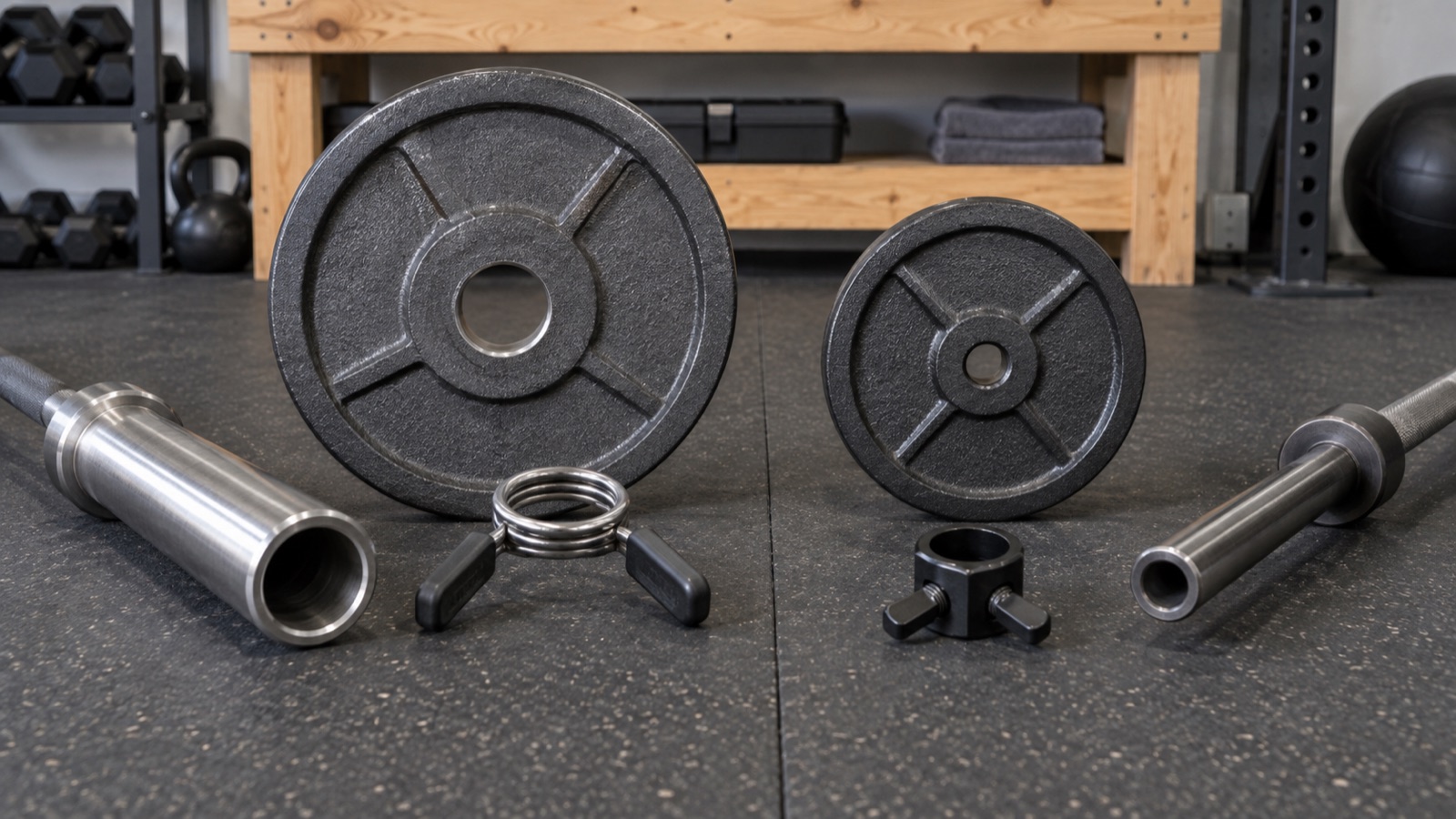
Match sleeve diameter, plate center hole, loadable sleeve length, collar fit, outside diameter, rack clearance, and drop rating before combining barbells and plates.
Enter the target, bar, collars, unit, and plate pairs you own to calculate an equal plate stack for each side of the bar.
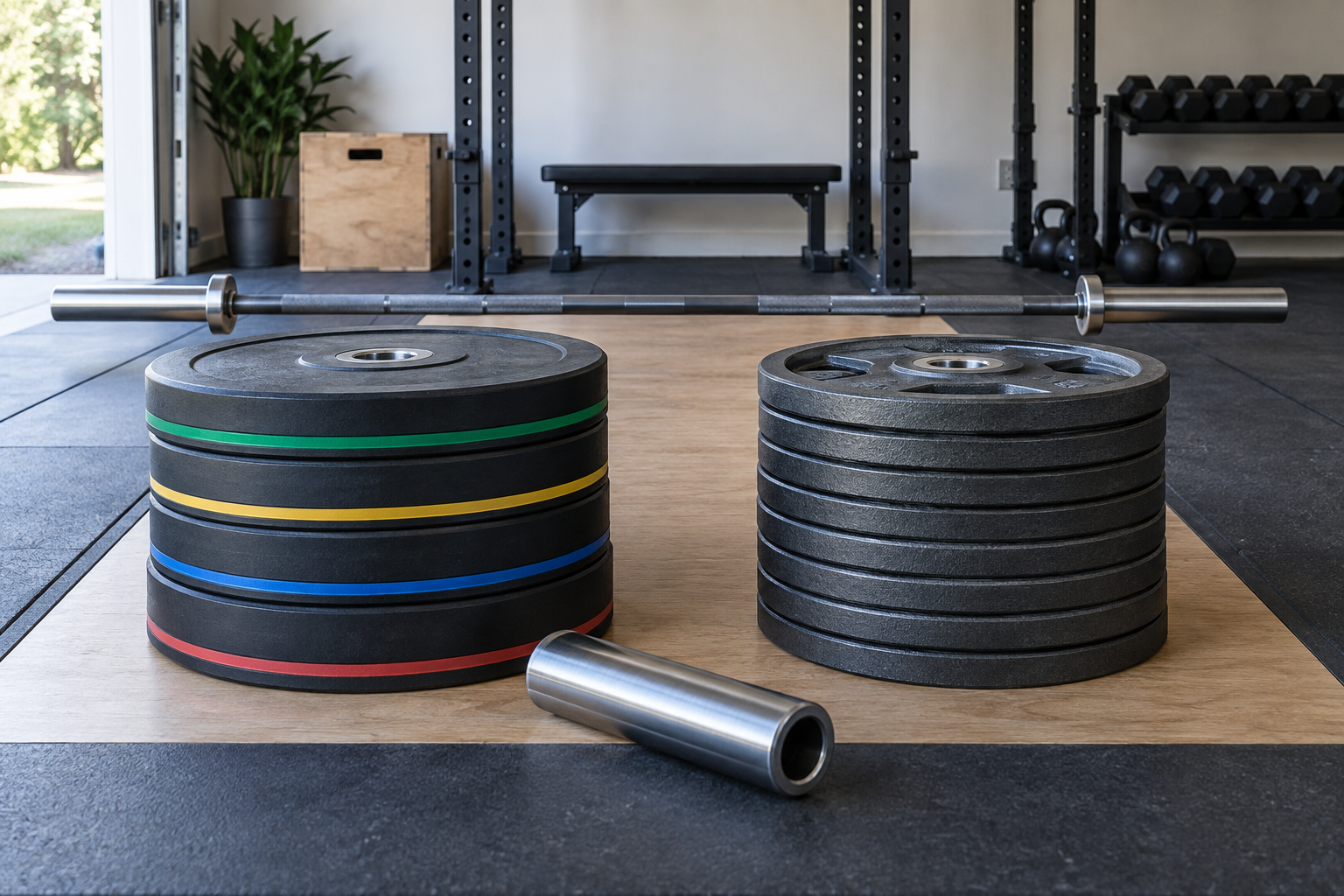
Bumper plates suit lifts with approved drops and consistent floor height; iron plates save sleeve and storage space when weights are controlled.
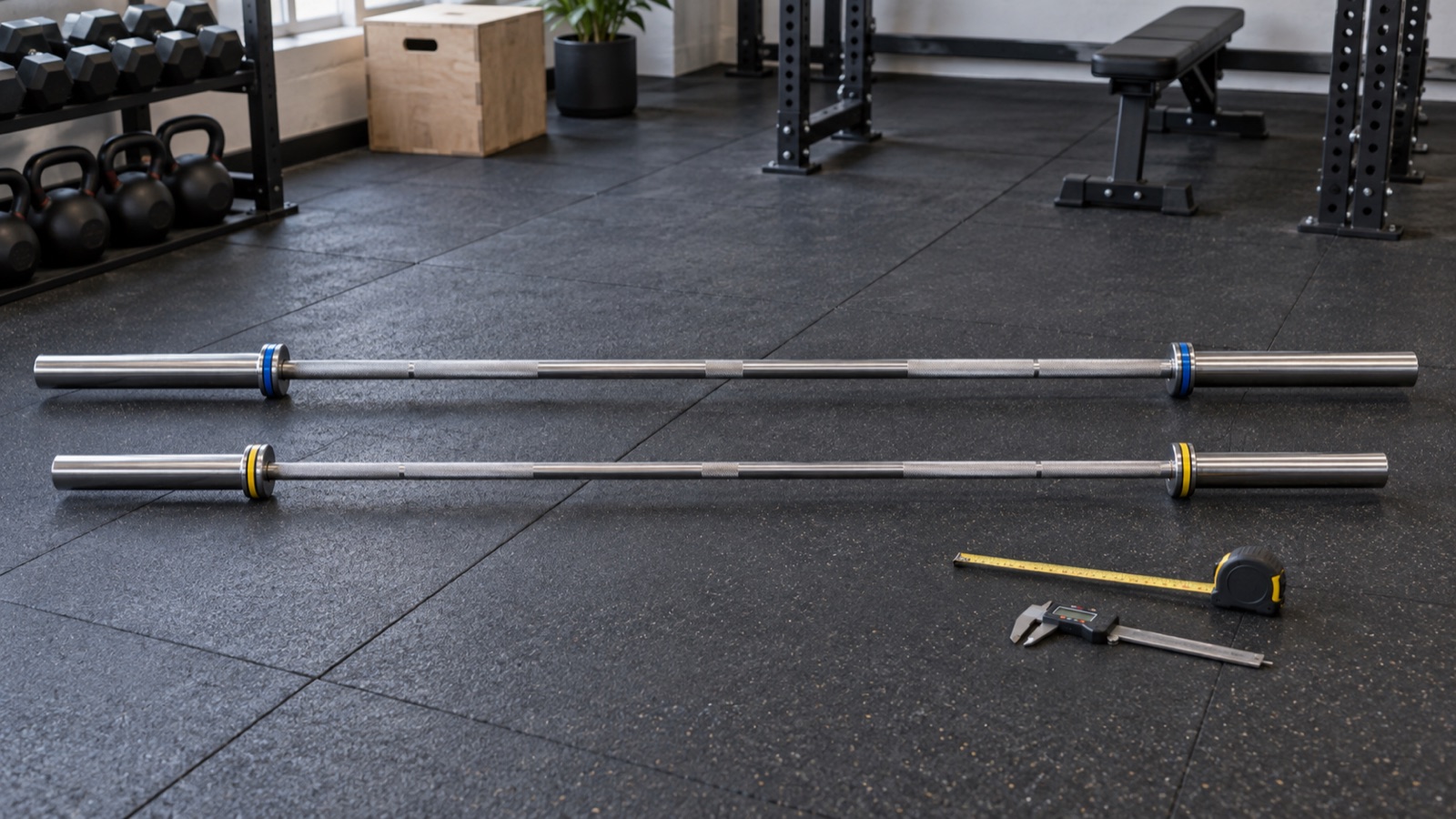
Identify an unknown barbell by its label, dimensions, shaft, and design instead of assuming every straight bar weighs 45 pounds or every specialty bar has a standard weight.
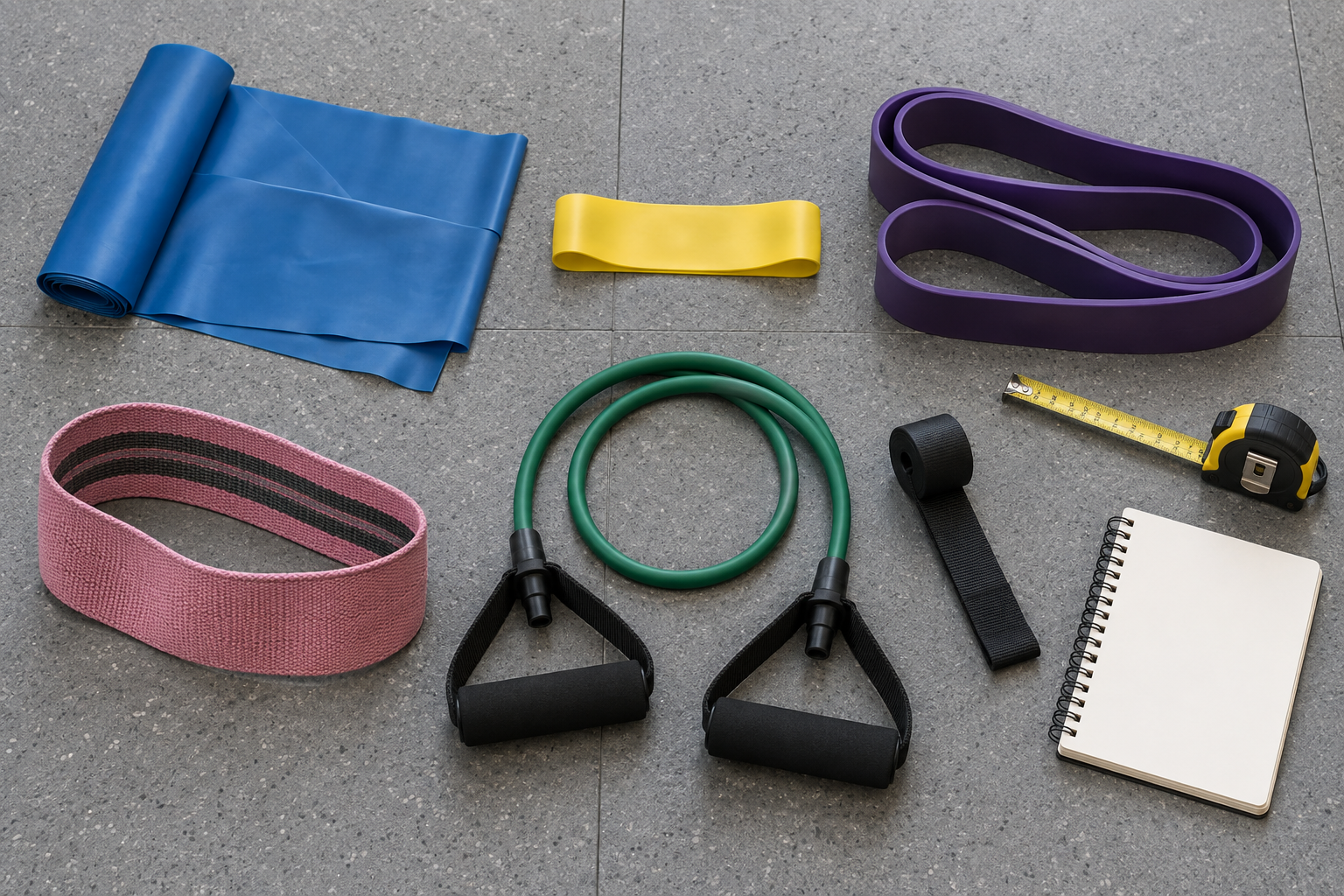
Choose resistance bands by format, working length, force at a stated stretch, anchor method, material, and progression—not by color alone.
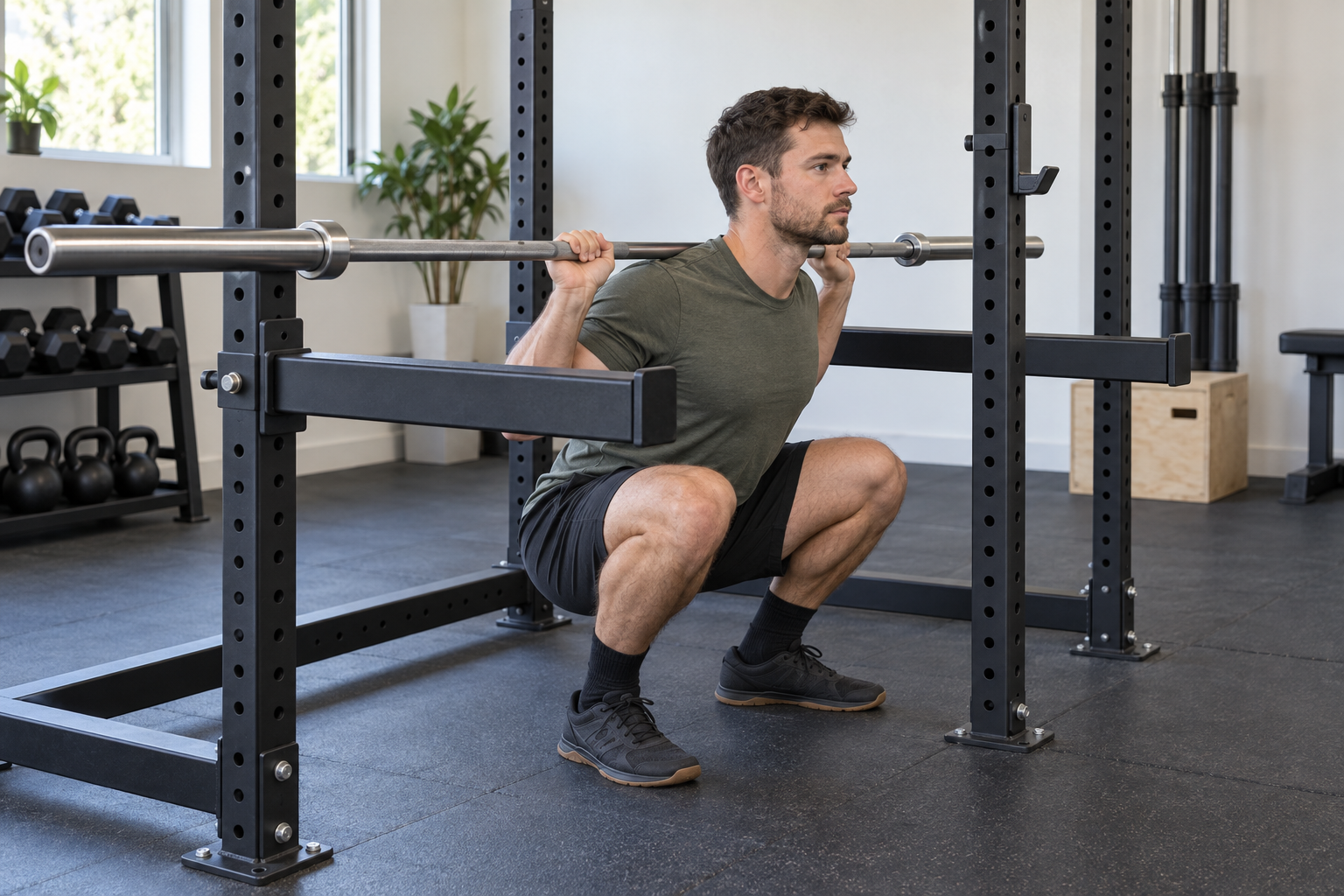
Install a matched, compatible pair, then use an empty bar to set the safeties just below a squat and above the lifter when a bench-press arch is flattened.
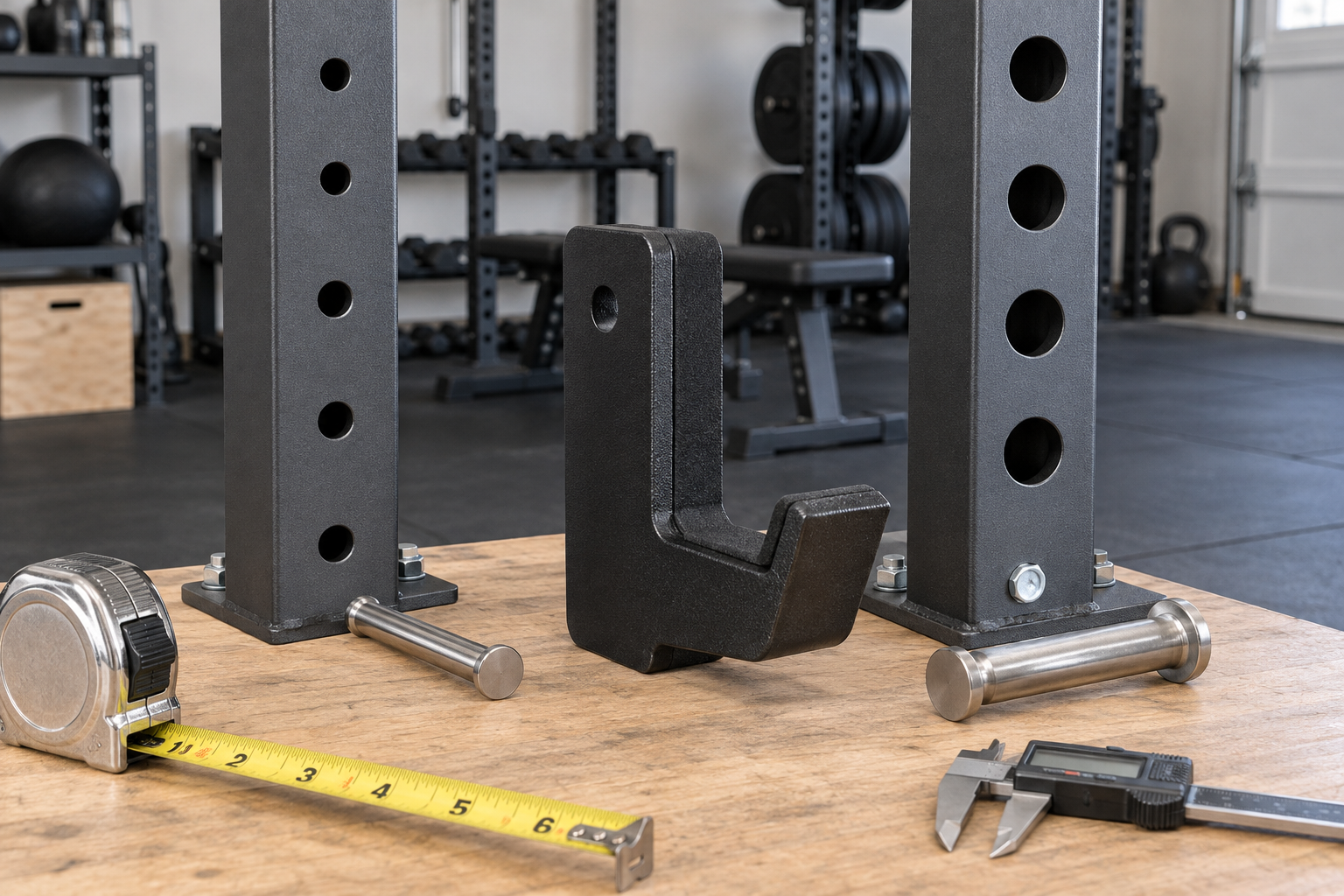
Use a six-point fit check for rack attachments: upright size, hole and pin diameter, spacing, wrap depth, mounting direction, and rack stability.
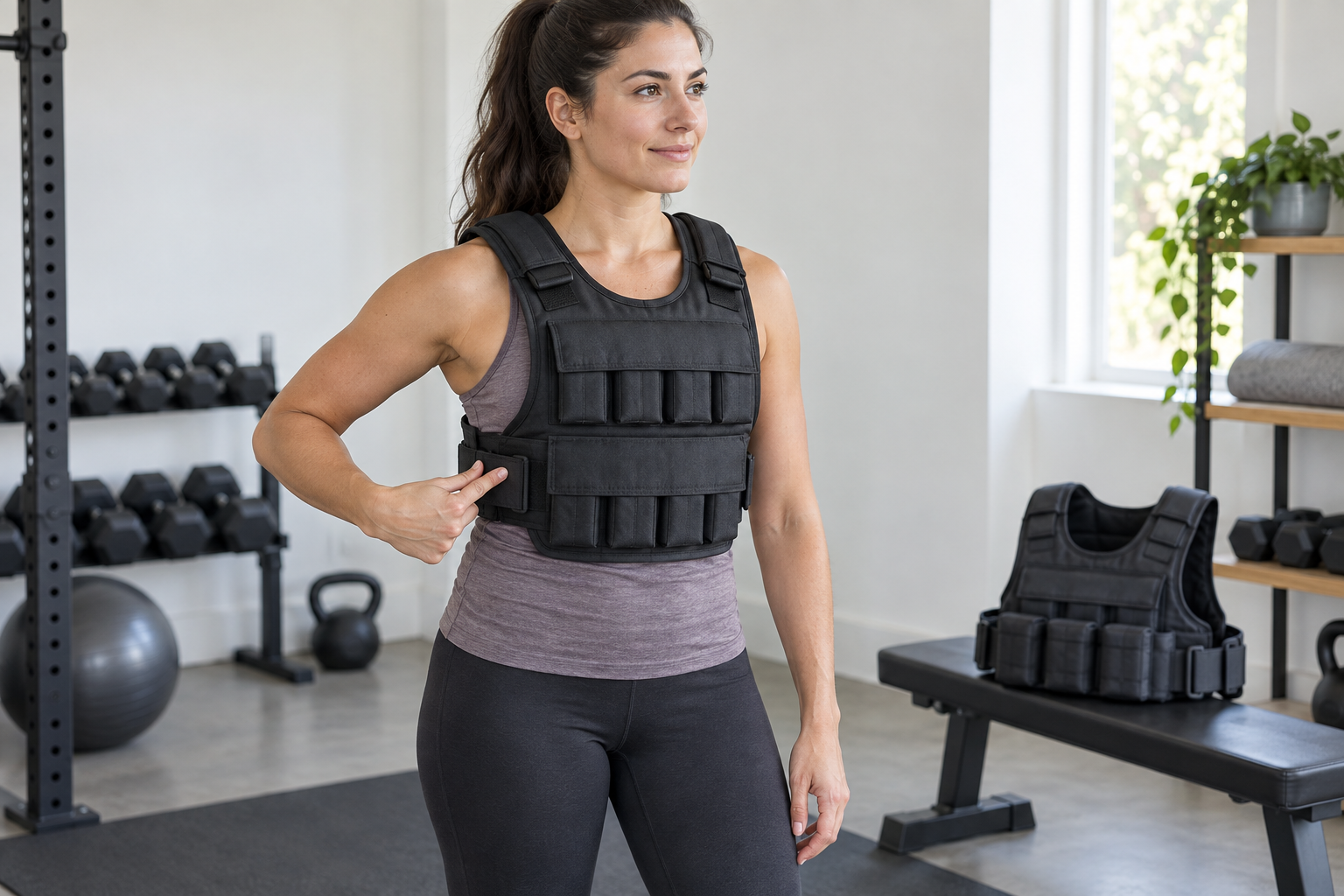
Choose weighted-vest size from the manufacturer's body chart, then test breathing, bounce, coverage, and range of motion before selecting how much weight to add.

We ran drills with disc, upright, and peg-able cones to find the sets that stay put, survive cleats, and pack up fast after practice.

We tested leather and synthetic speed bags for rebound, balance, and air retention, and picked seven worth hanging on your platform.

We tested grappling dummies for BJJ, wrestling, and MMA drills to find the best for adults, kids, and pre-filled takedown work.