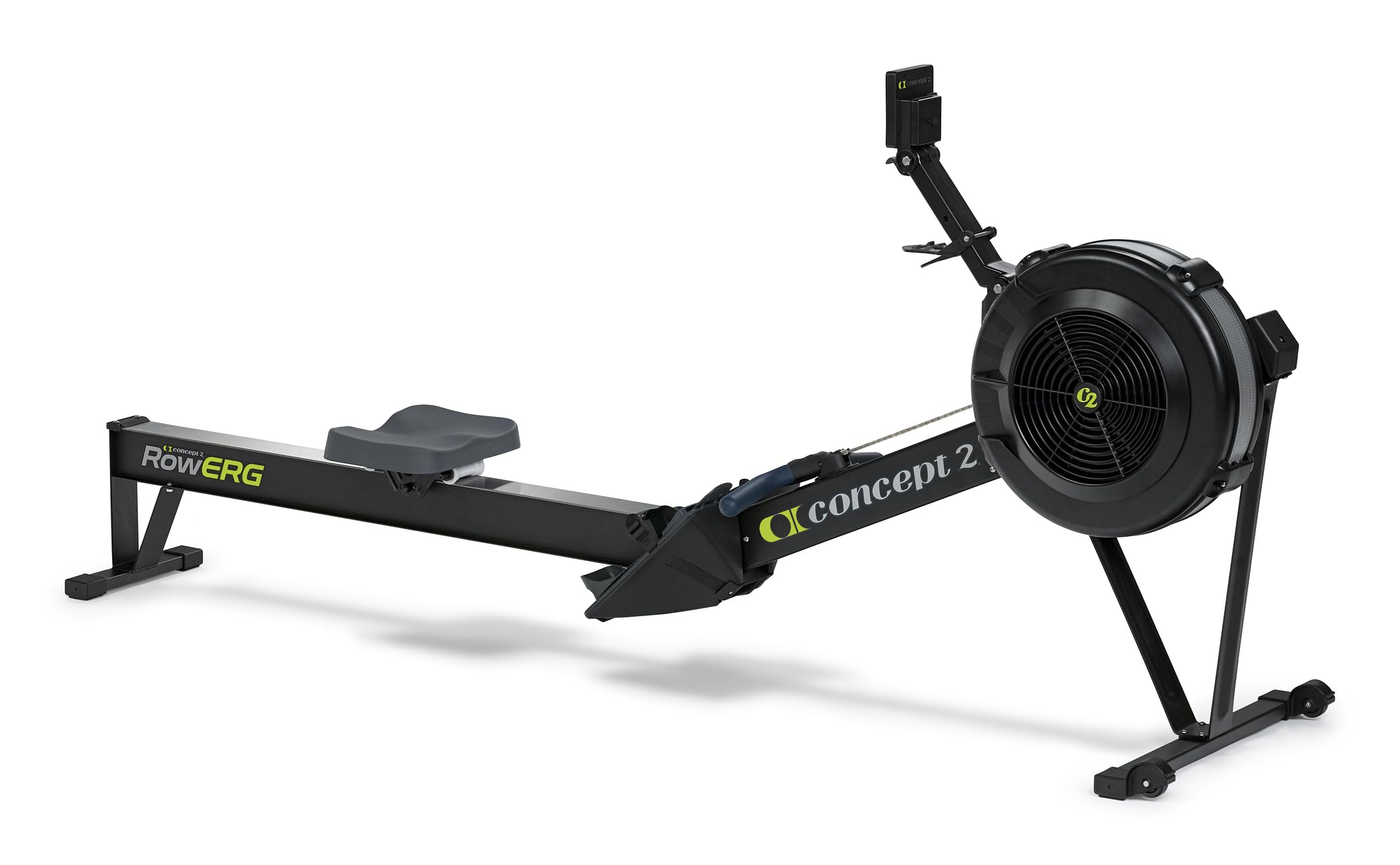
Cardio Machines
Best Rowing Machine for Tall People of 2026
We tested rowers for tall users and found that rail length, inseam, and weight capacity matter more than a compact footprint.
Section
Explore articles and practical guides on cardio machines, including product comparisons that put real-life needs and trade-offs first.
We tested rowers for tall users and found that rail length, inseam, and weight capacity matter more than a compact footprint.

We tested incline walking pads for desk walks, steep climbs, and jogging, then picked stable, quiet models for small spaces and heavier users.
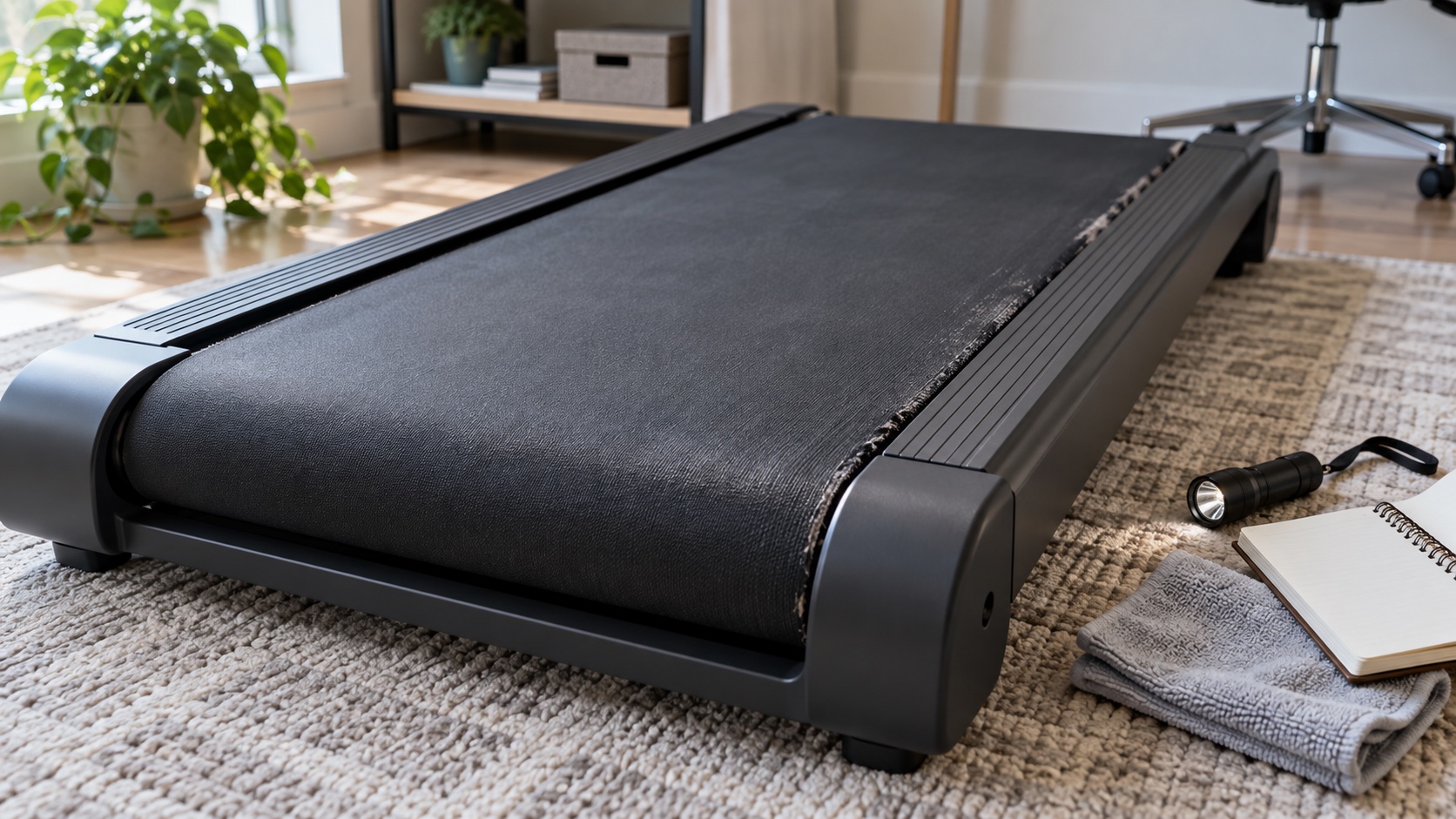
There is no universal walking-pad lifespan. Estimate ownership risk from usage hours, duty rating, belt and deck condition, maintenance, warranty, and parts support.
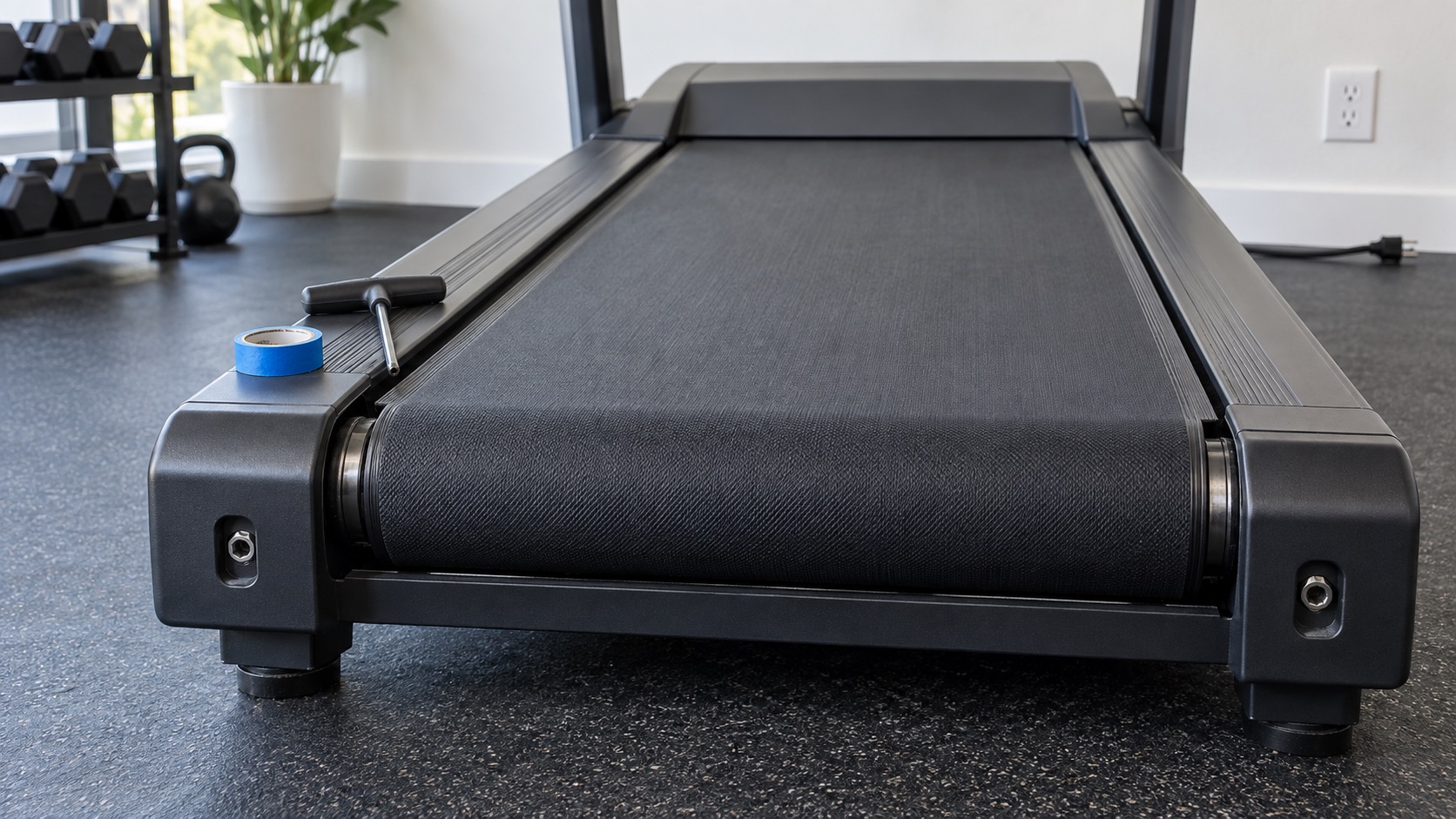
A belt that drifts sideways needs a different adjustment from one that slips underfoot. Diagnose the symptom first, then make small, model-approved changes.
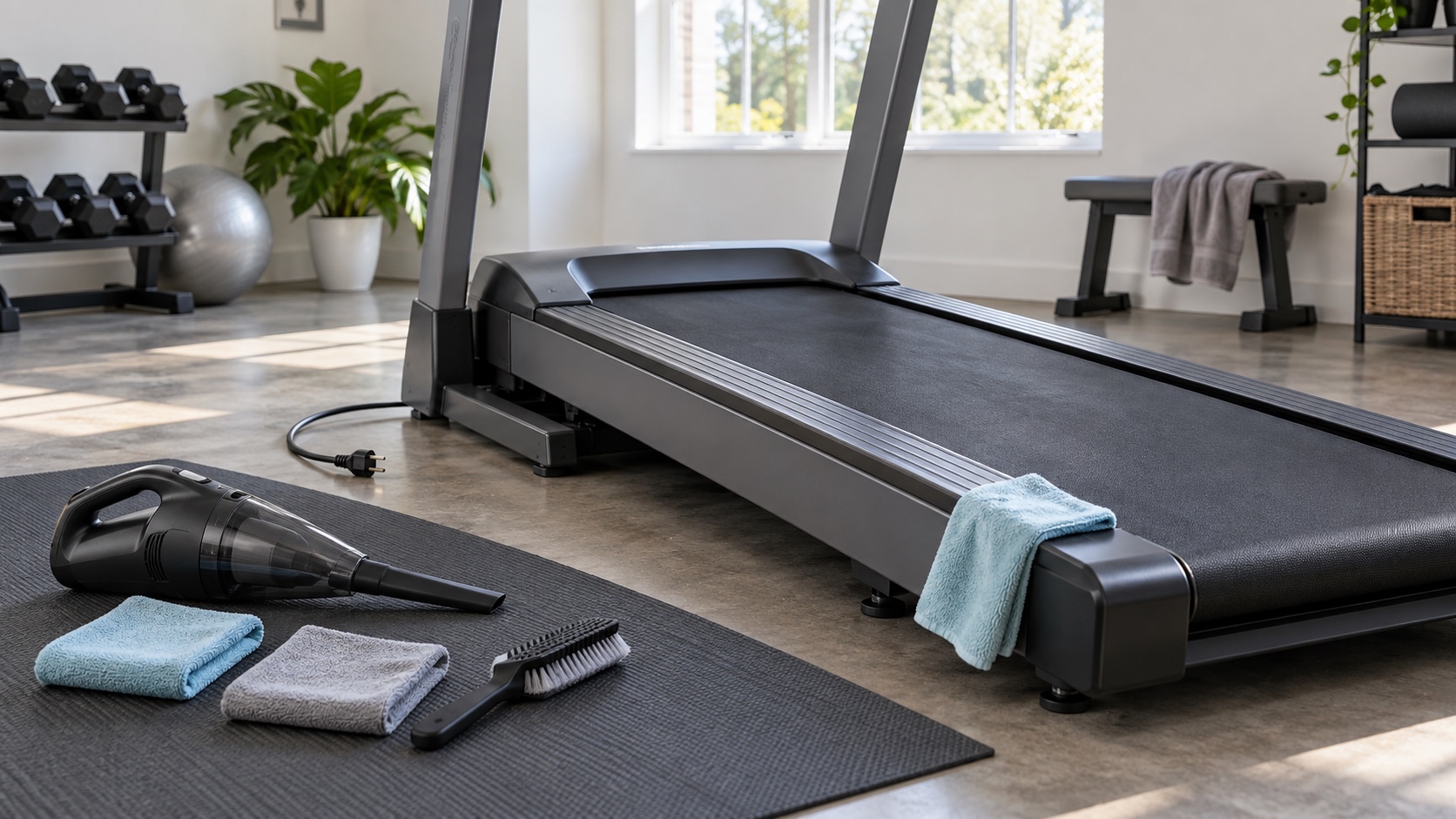
Clean the console, rails, walking belt, and floor safely—without spraying electronics, soaking the belt, or using chemicals that can damage the finish.
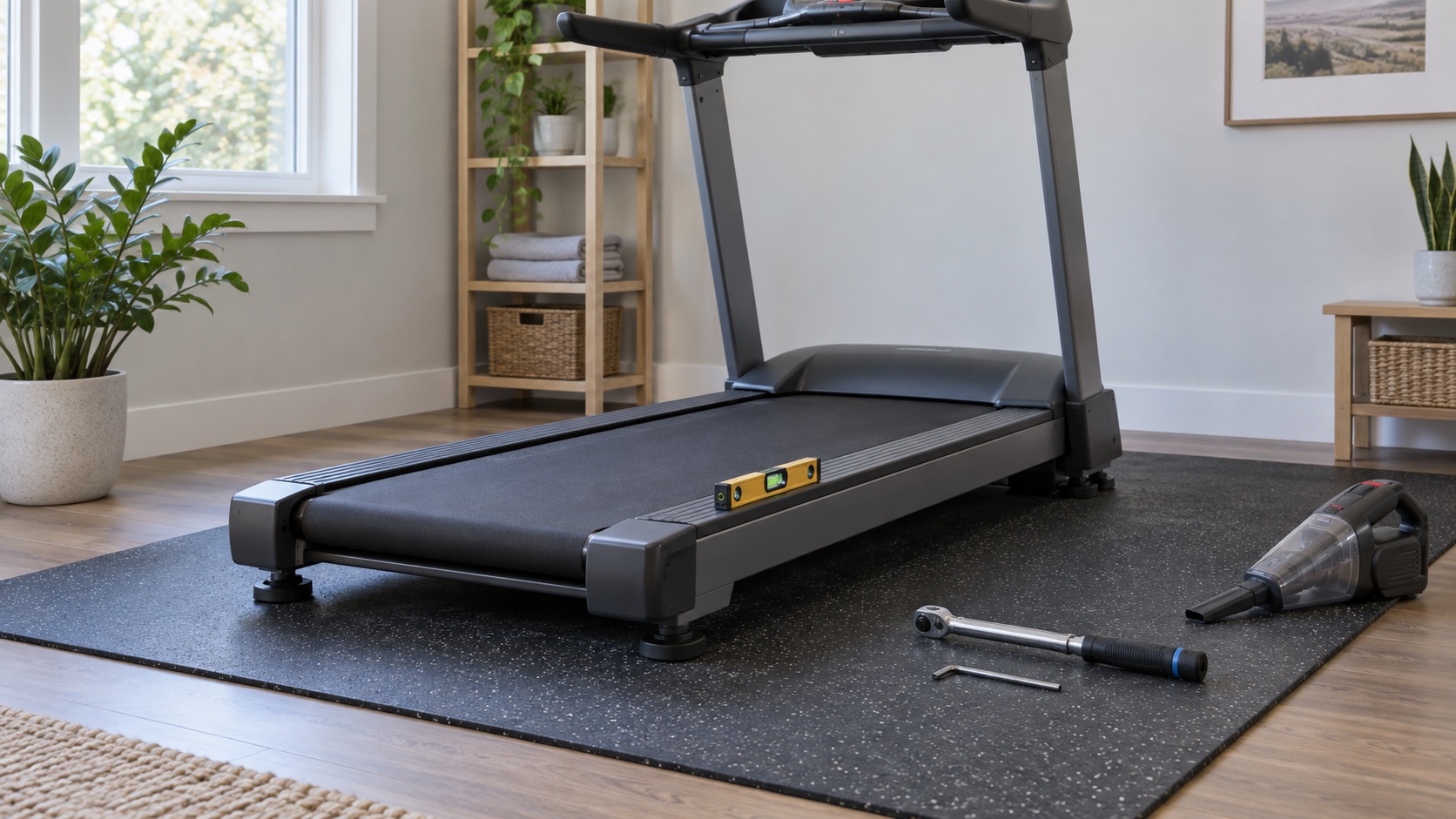
Separate normal footfall and motor sound from vibration, rubbing, squeaks, and mechanical faults before trying to quiet a treadmill.
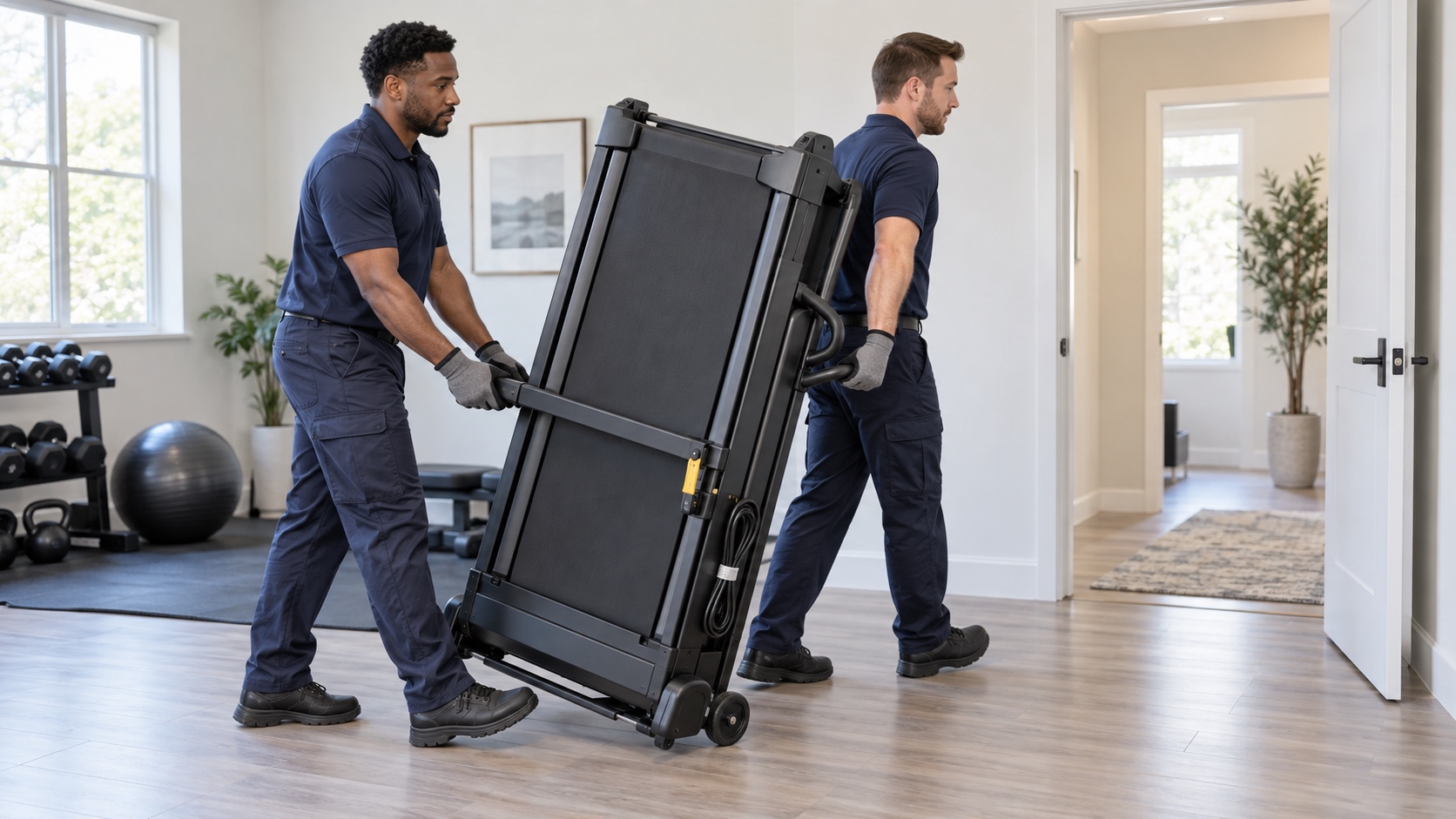
Plan the route, secure the folding deck, protect the cord, and know when built-in wheels are not enough for a safe treadmill move.
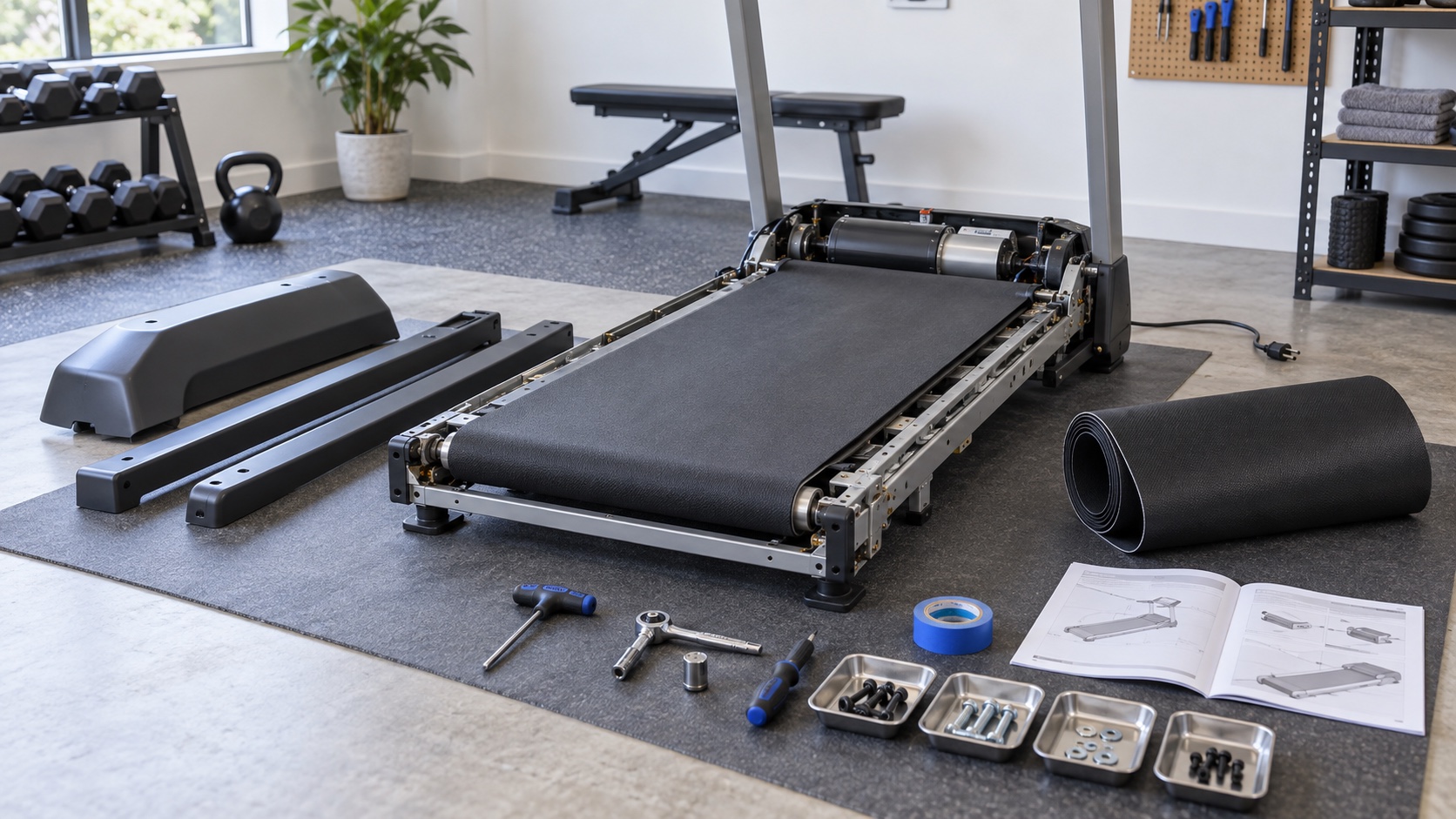
Replace a worn treadmill walking belt without guessing: confirm the symptom, match the exact part, document the original setup, and follow your model's service sequence.
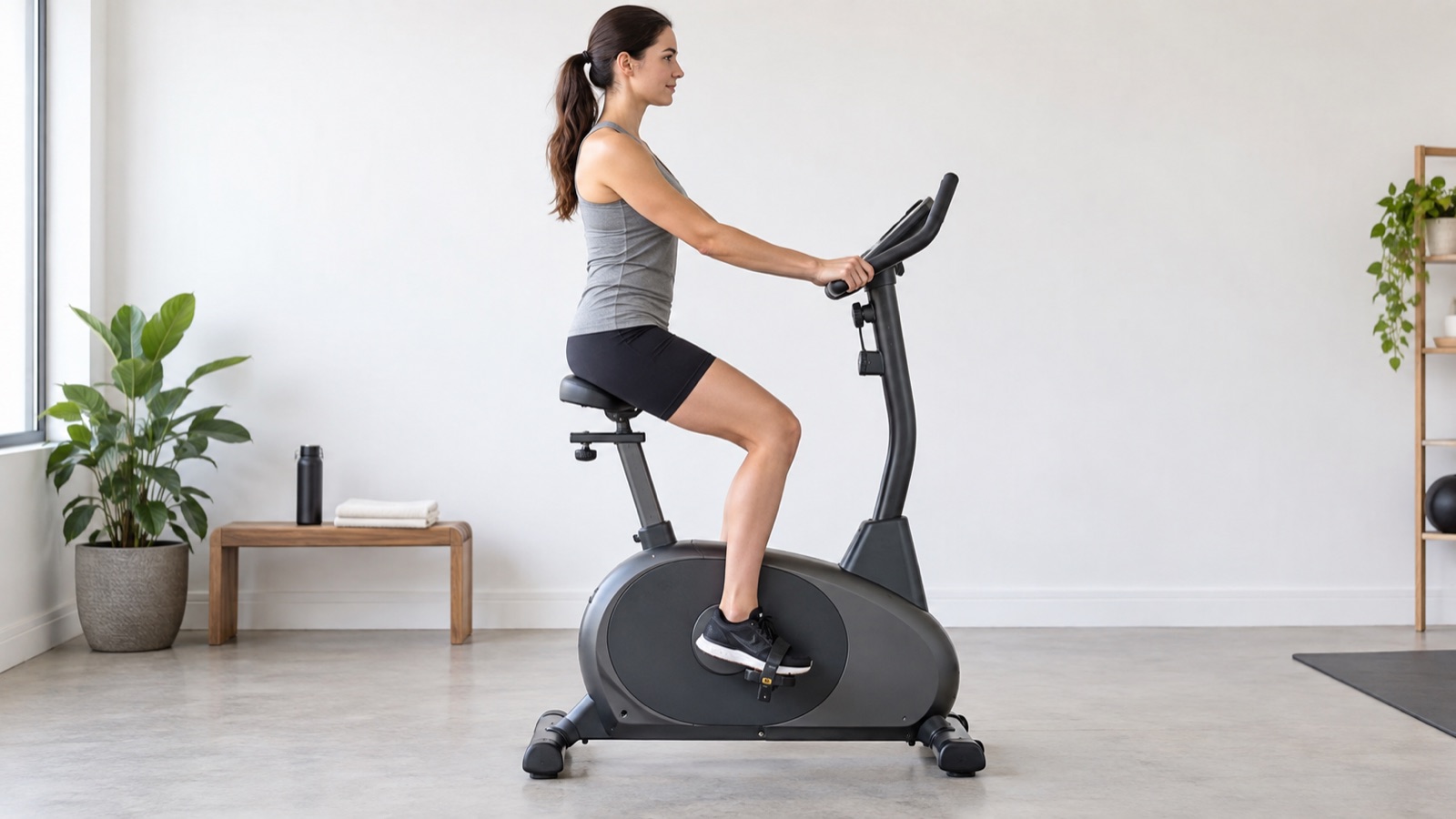
Set saddle height, fore-aft position, handlebar reach, and pedal straps using repeatable checks for upright, indoor-cycling, air, and recumbent bikes.
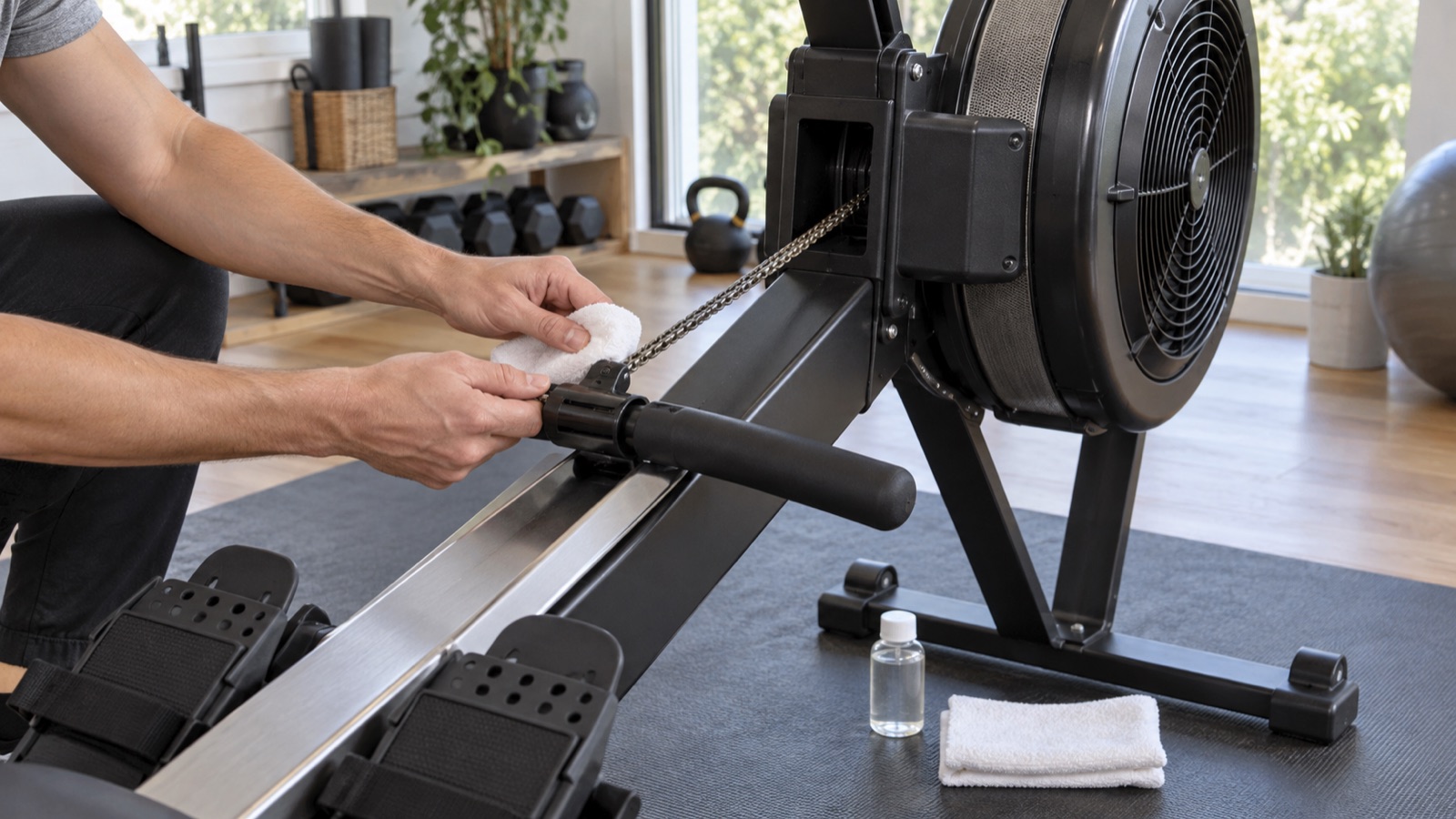
Use this model-aware maintenance schedule to clean the rail, inspect straps and fasteners, care for a chain or water tank, and recognize faults that need service.
Convert treadmill speed from 2.0 to 12.0 mph into km/h, minutes per mile, minutes per kilometer, and projected race times.
Find the brand, model, serial number, and responsible company, then search both CPSC recalls and product safety warnings without treating a blank result as proof of safety.
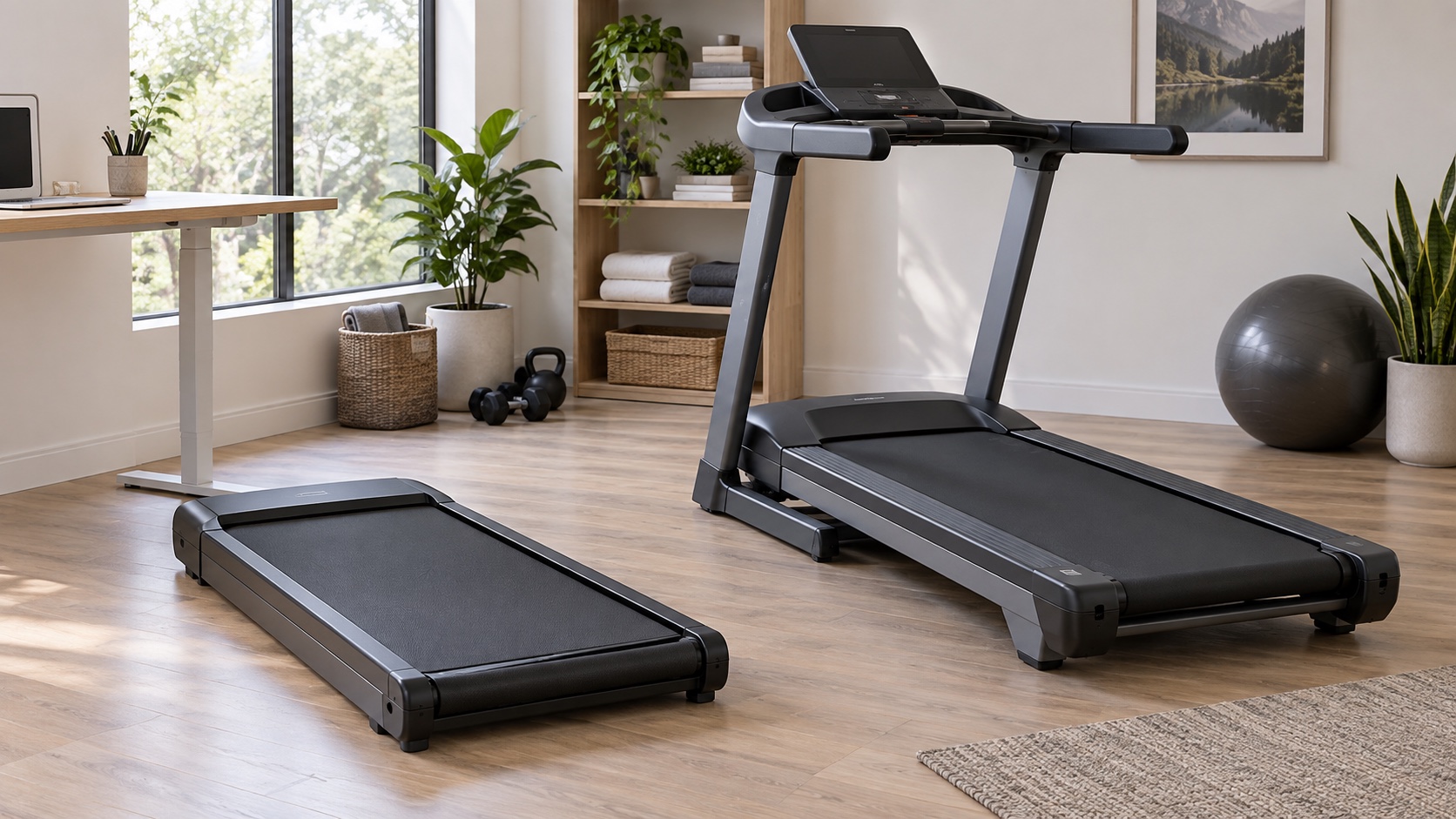
Compare walking pads and treadmills by speed, deck size, handrails, incline, storage, maintenance, noise, and intended daily use.

We tested silicone treadmill belt lubricants to find the ones that reach the center of the belt without a mess, quiet the deck, and store without leaking.
We walked on compact pads, folding treadmills, and support-handle models to find the best treadmills for walking at home, from budget picks to incline options.
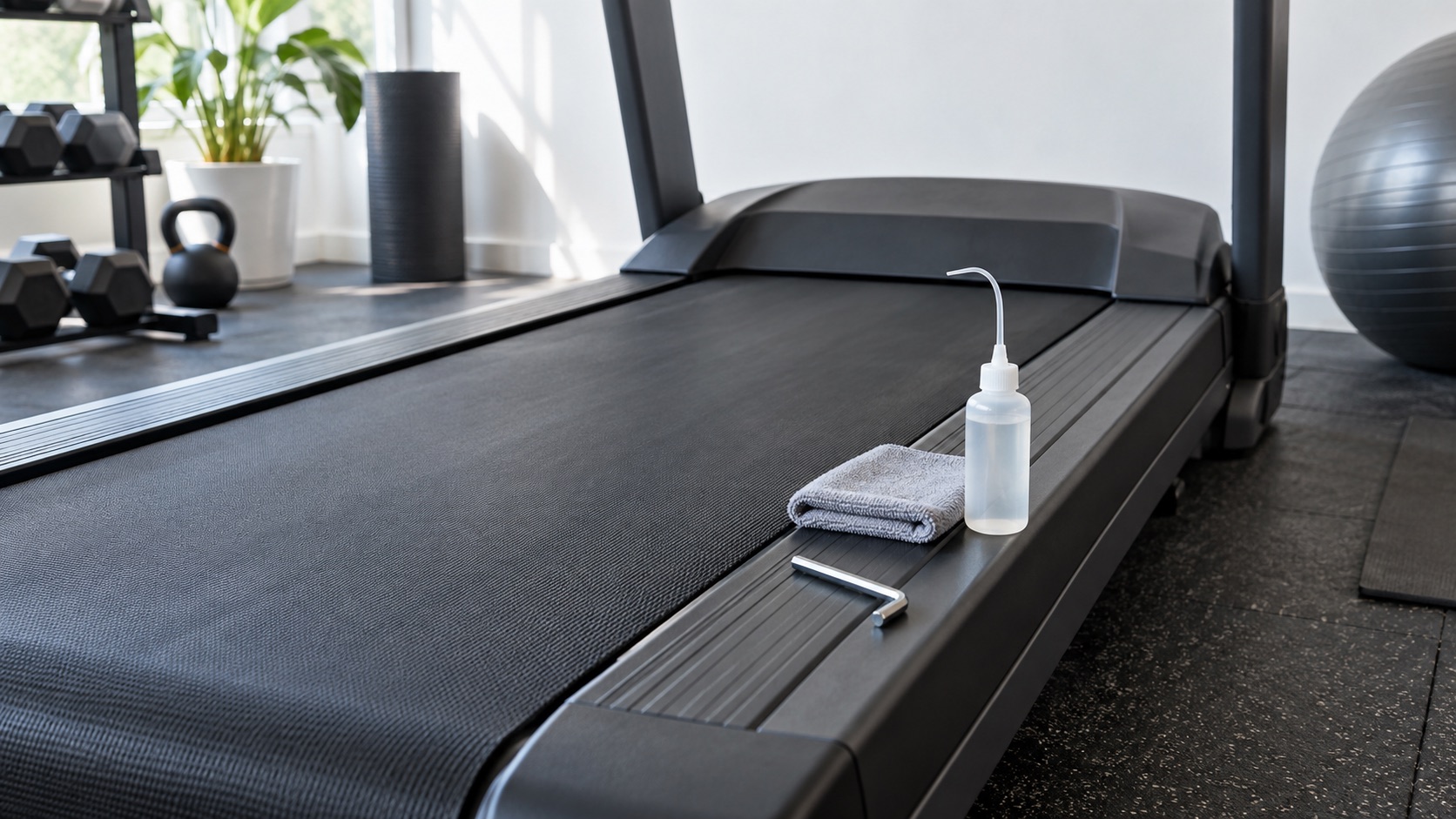
Before you reach for silicone, check the manual. This step-by-step guide explains which treadmills need lubricant, where it goes, and how to avoid belt damage.

We tested five compact home ellipticals, from a 39-inch footprint to a 19-inch stride. Here's which fits a small room and which suits tall riders.

We tested cushioned home treadmills for deck support, running room, incline, and storage to find the best fit for runners, walkers, and small spaces.

We tested rebounders for home cardio and found the quietest, steadiest picks, from a soft-bungee default to a 500-pound capacity frame.
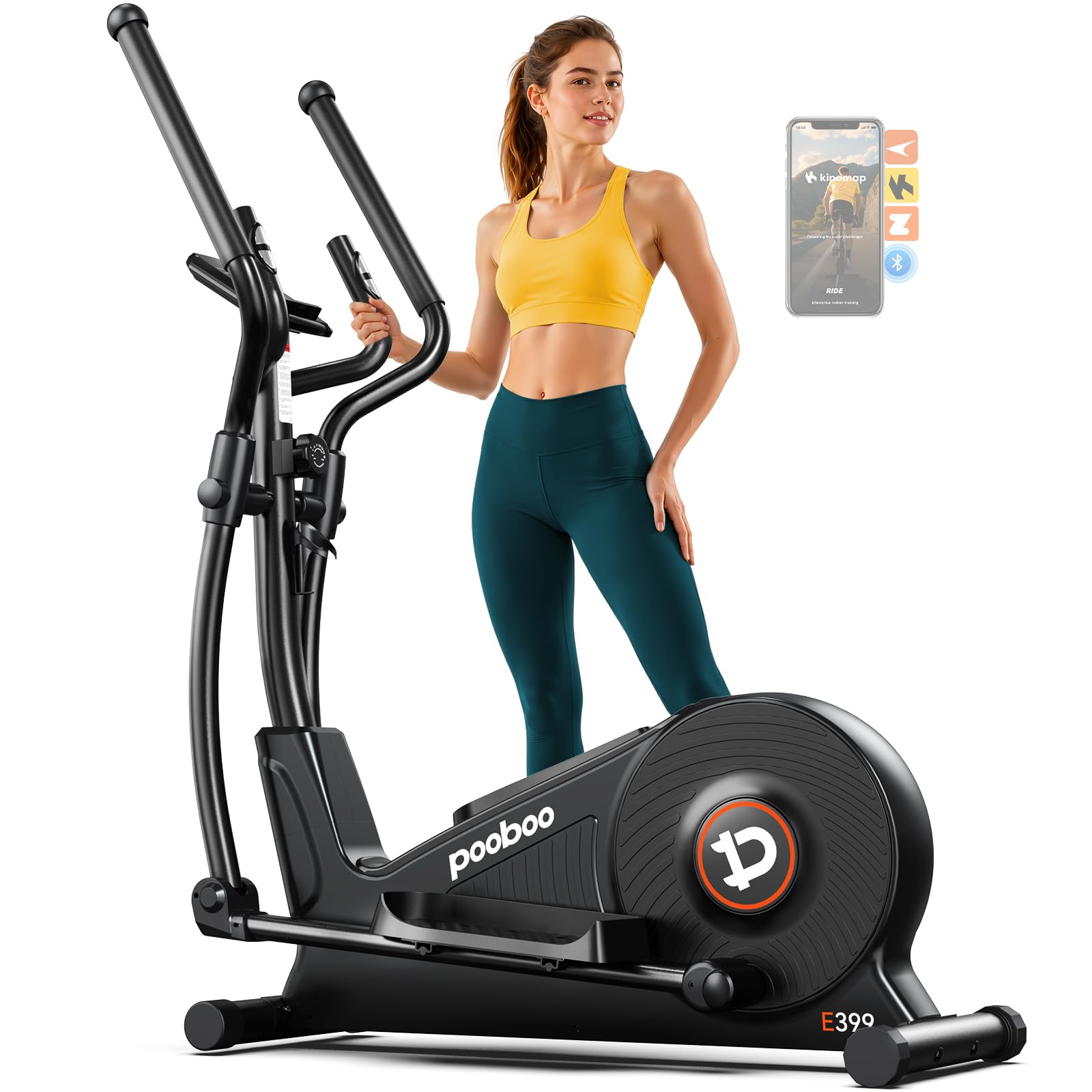
We tested quiet magnetic ellipticals for stride fit, stability, and noise at home. Here's what to buy for tall riders, tight rooms, and heavier users.
We tested five quiet home ellipticals for small rooms, tall riders, and tight budgets to find the rear-drive machine we recommend first.
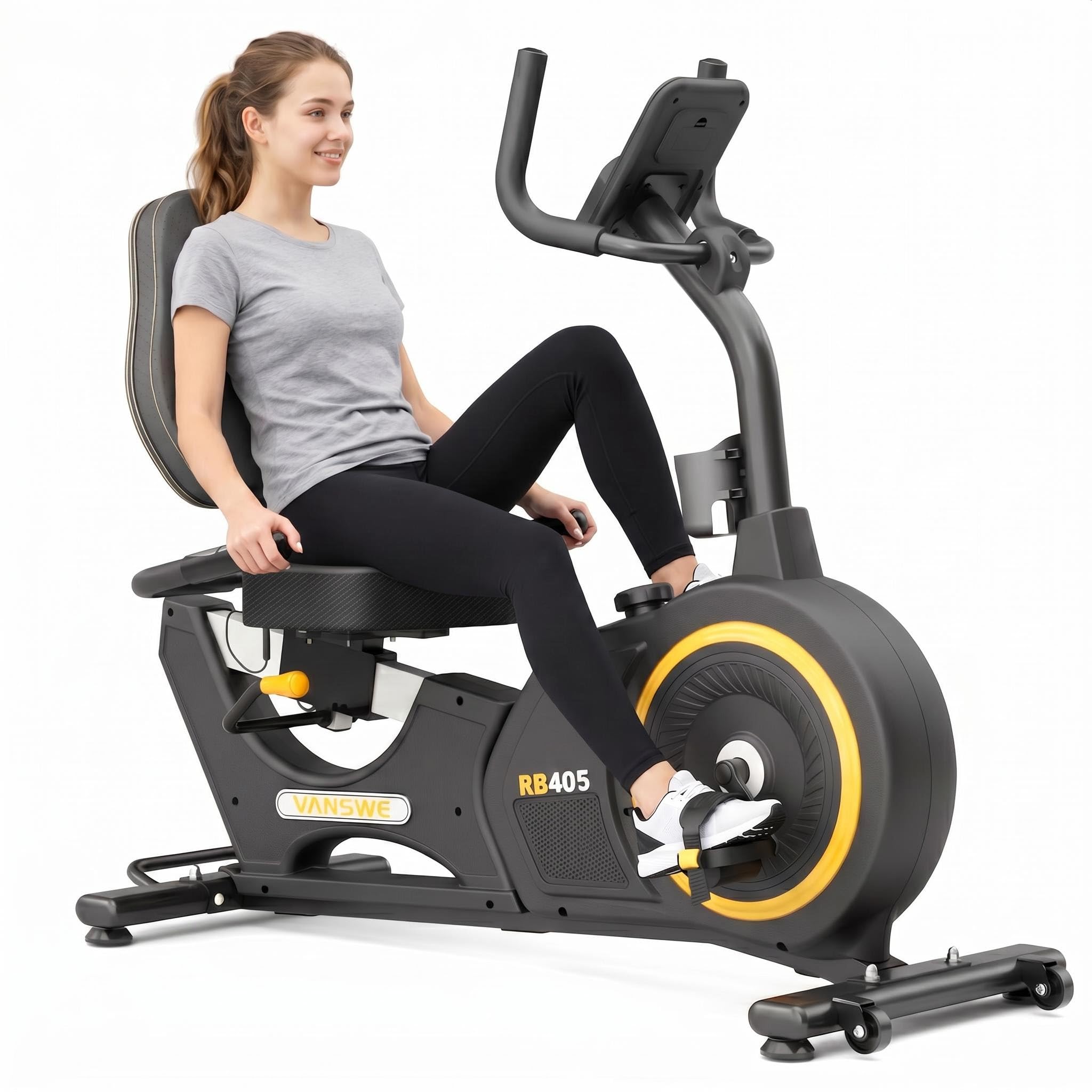
We tested high-capacity recumbent bikes rated to 400–450 pounds, judging seat comfort, stability, resistance, and footprint for heavier riders.
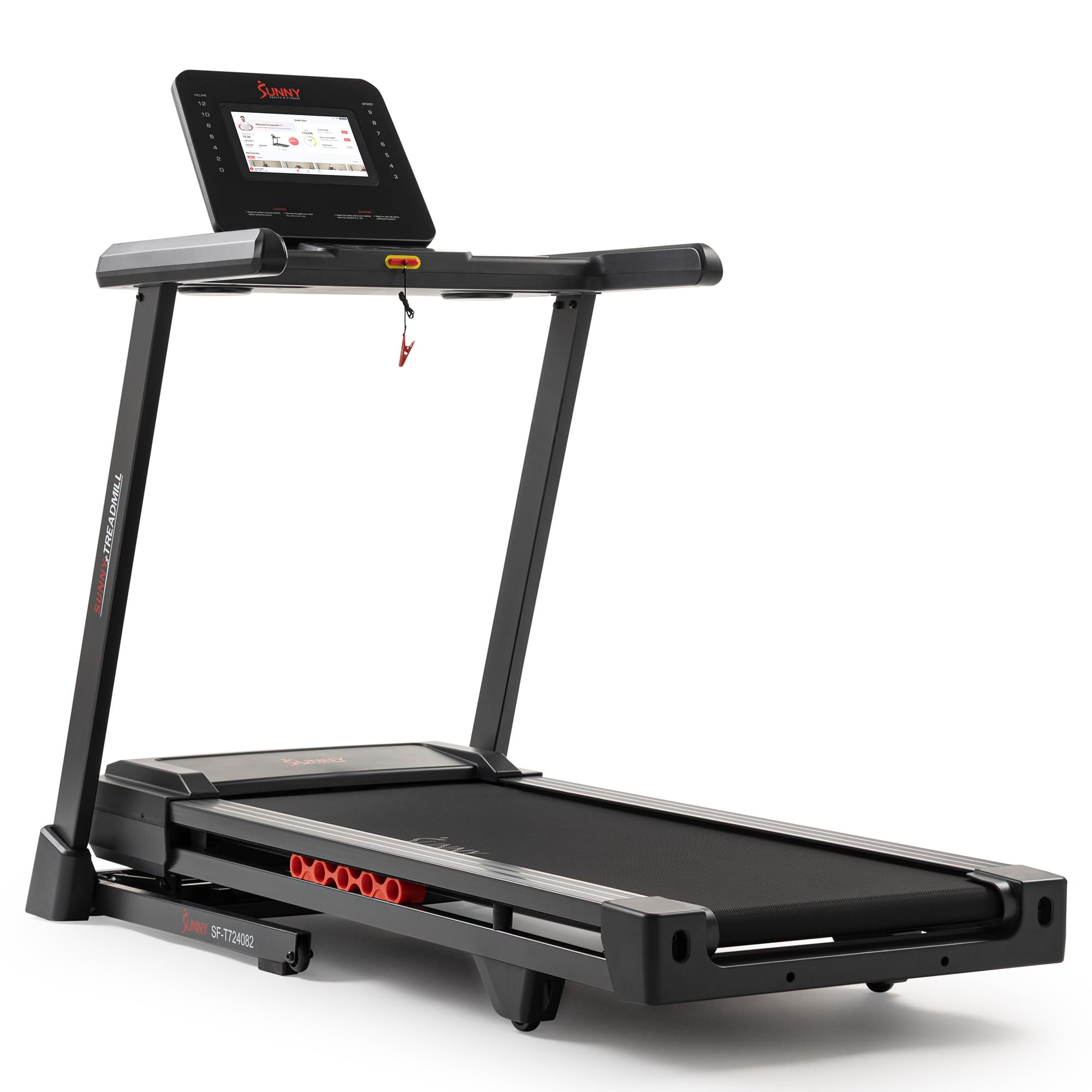
Our top pick pairs a 10-inch touchscreen with a 12 mph motor and auto incline. We compare smart treadmills for runners, walkers, and small spaces.
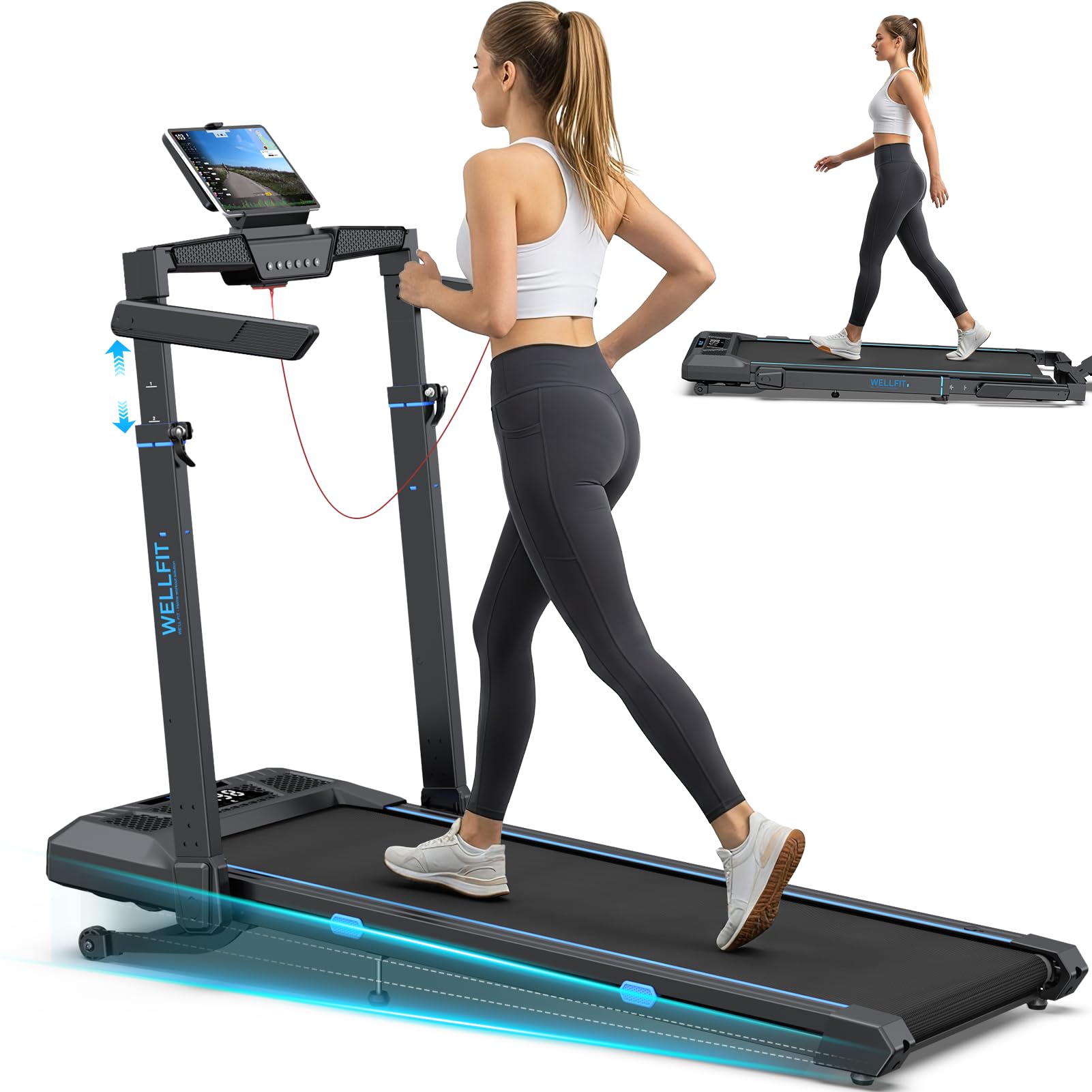
We tested supported treadmills for knee-friendly walking, weighing handrail height, deck cushioning, and slow-speed control. Here is what to buy.