
Tech & Wearables
Best Heart Rate Monitors of 2026
We tested chest straps and armbands to find accurate, comfortable heart rate monitors for training, from a budget pick to a premium data tool.
Section
Explore articles and practical guides on tech & wearables, including product comparisons that put real-life needs and trade-offs first.
We tested chest straps and armbands to find accurate, comfortable heart rate monitors for training, from a budget pick to a premium data tool.

We tested GPS running watches for pace accuracy, battery life, and wrist comfort. The Garmin Forerunner 165 is our pick for most runners.
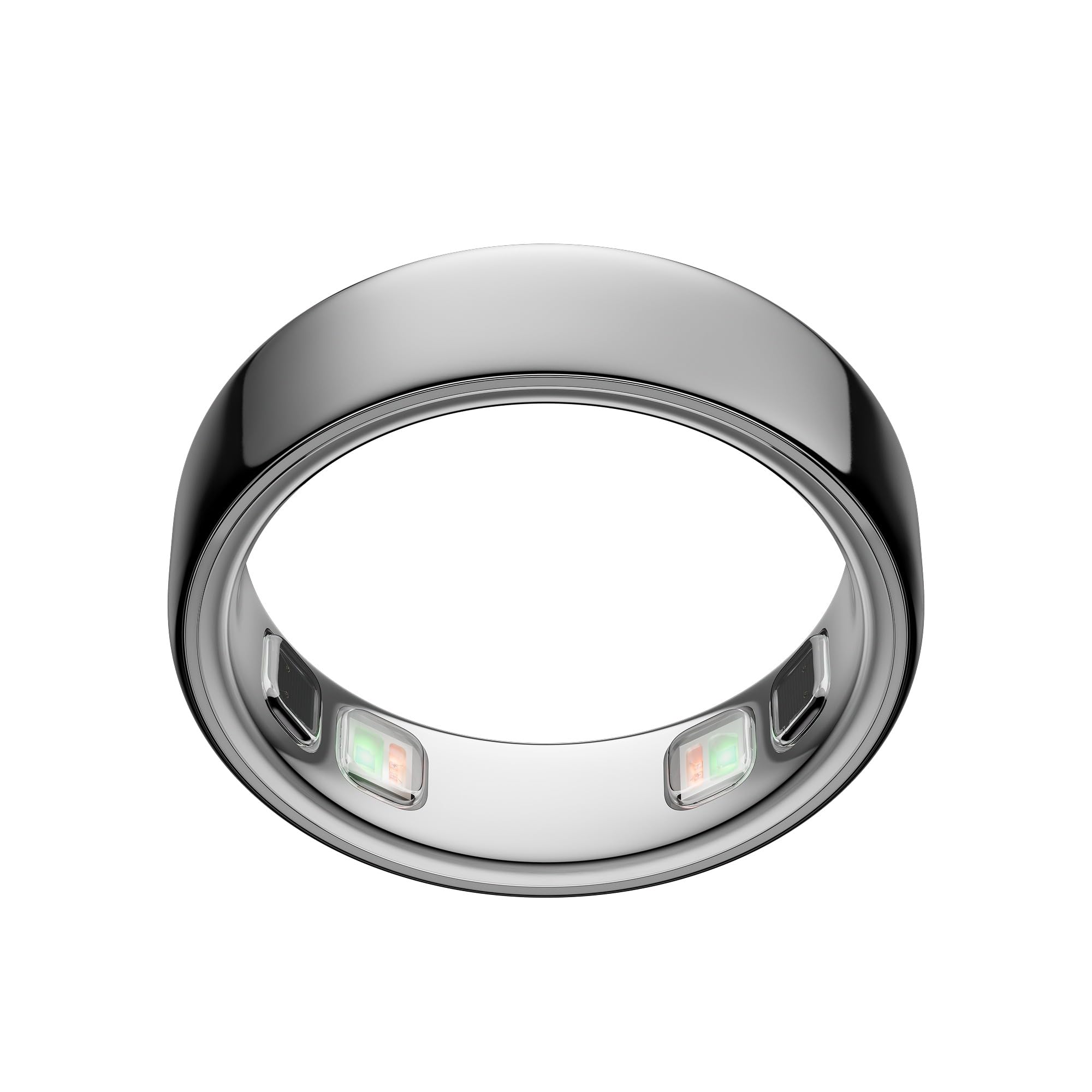
We tested smart rings for sleep, fitness, battery life, and comfort. Oura leads, with no-subscription RingConn picks and budget options close behind.

Test a GPS running watch on known-distance, tree-covered, and urban routes, then separate distance error, pace noise, route drift, and lock problems.
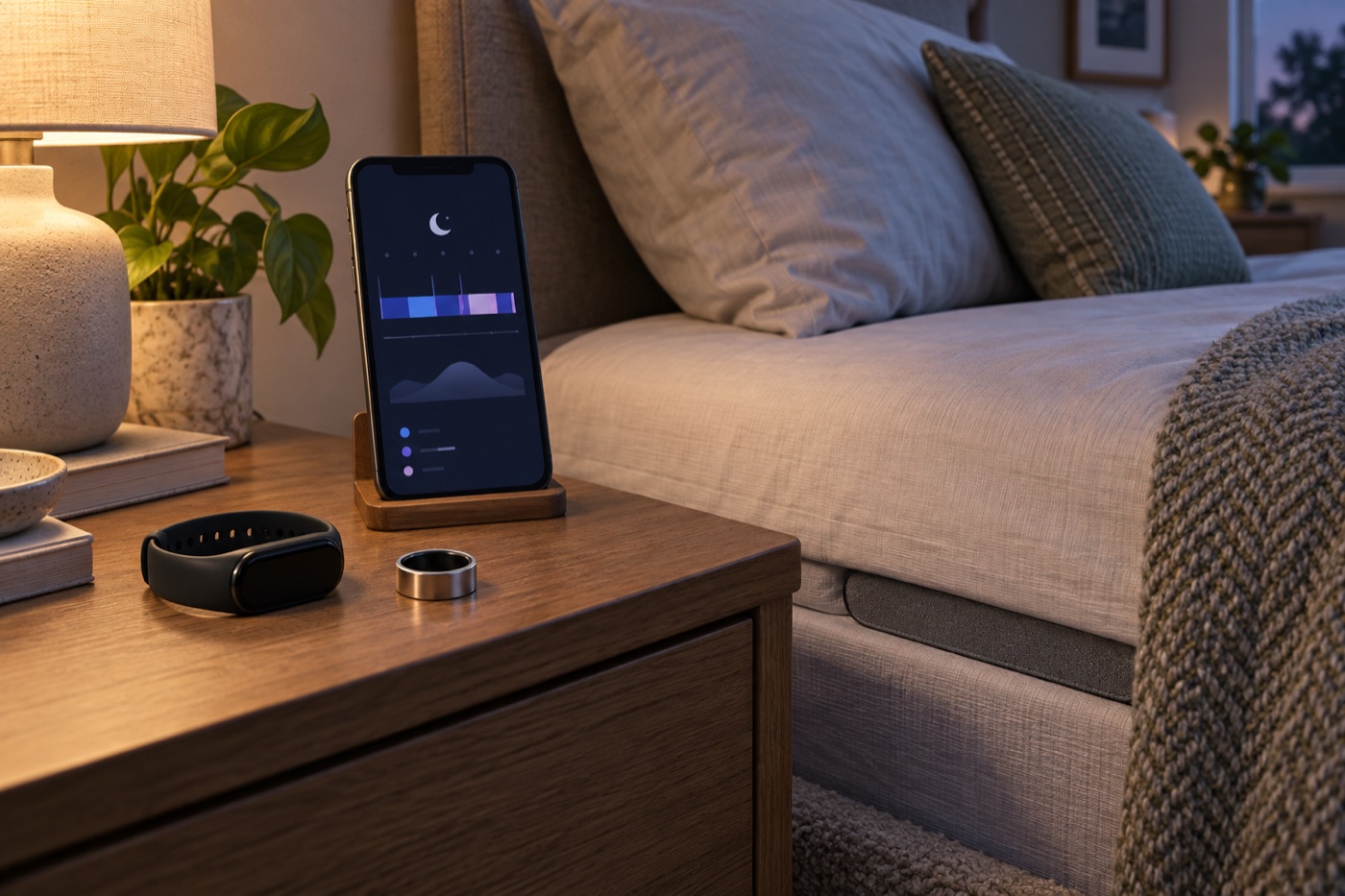
Compare what watches, rings, under-mattress sensors, and phone apps can actually observe, then audit any tracker against a 14-night sleep diary.
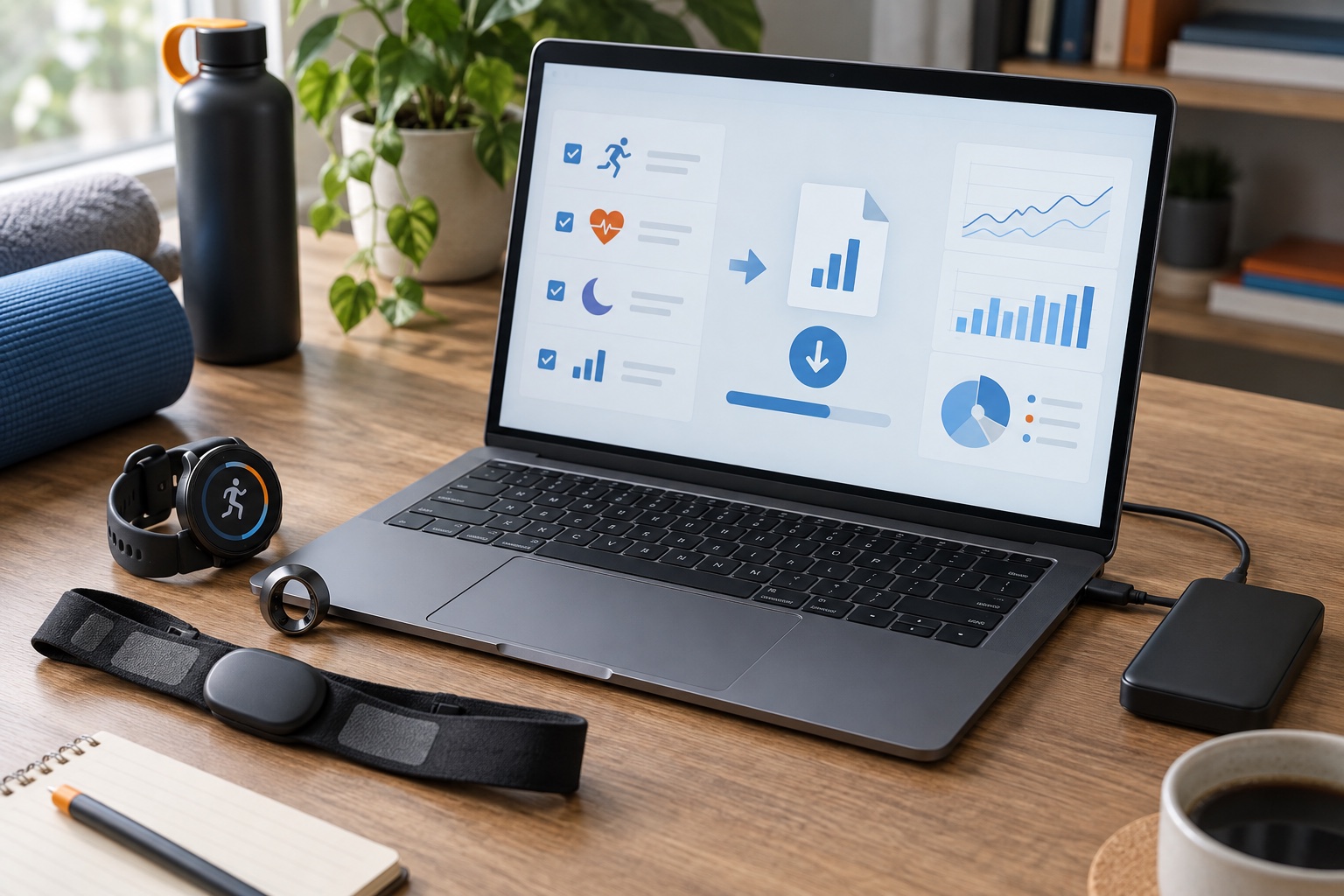
Compare Apple, Garmin, Google/Fitbit, Samsung, Oura, and WHOOP by paid-feature dependence, export formats, archive access, and switching friction.
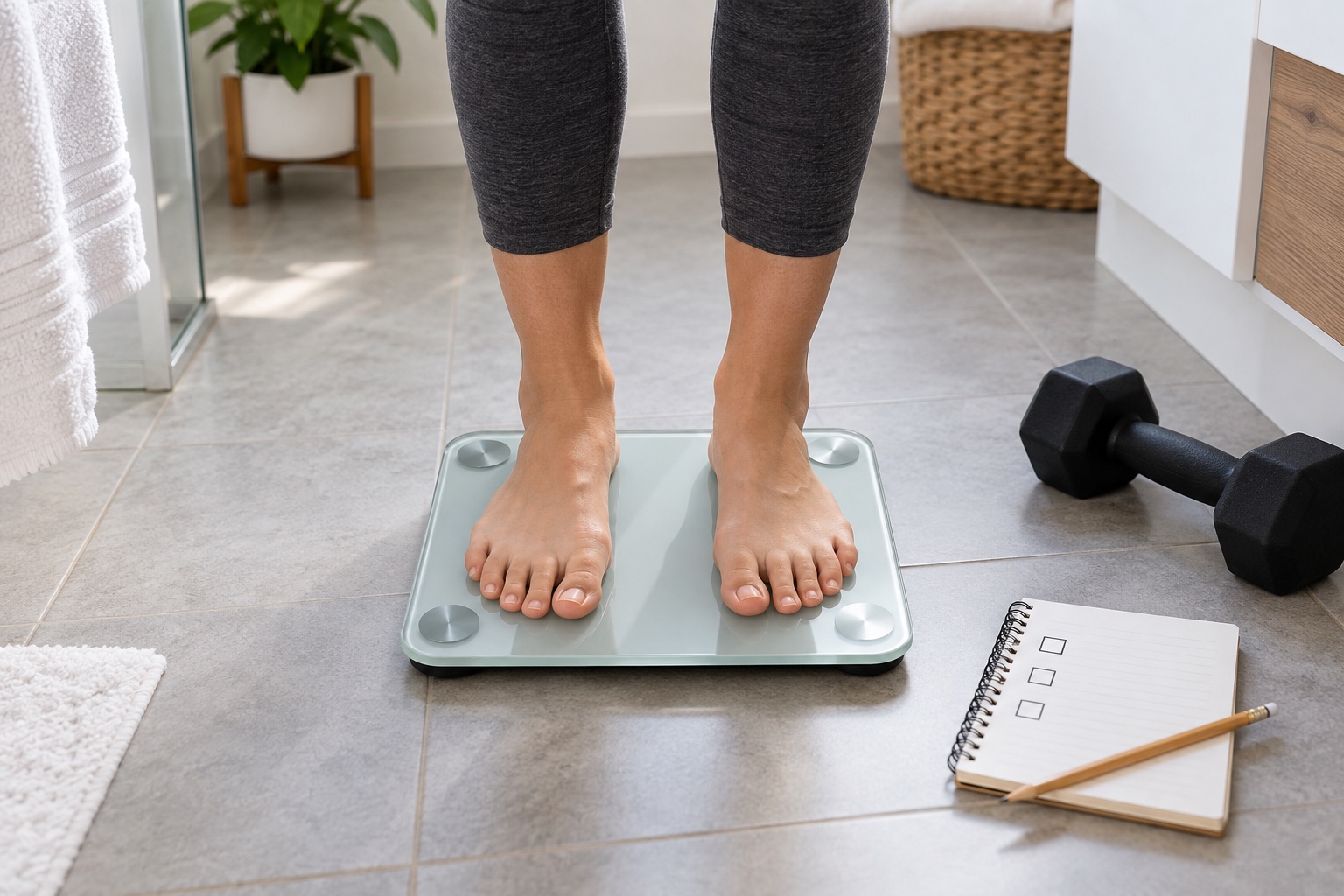
Smart scales can measure body weight consistently, but body-fat, muscle, water, and visceral-fat values are model-based estimates with much larger individual error.
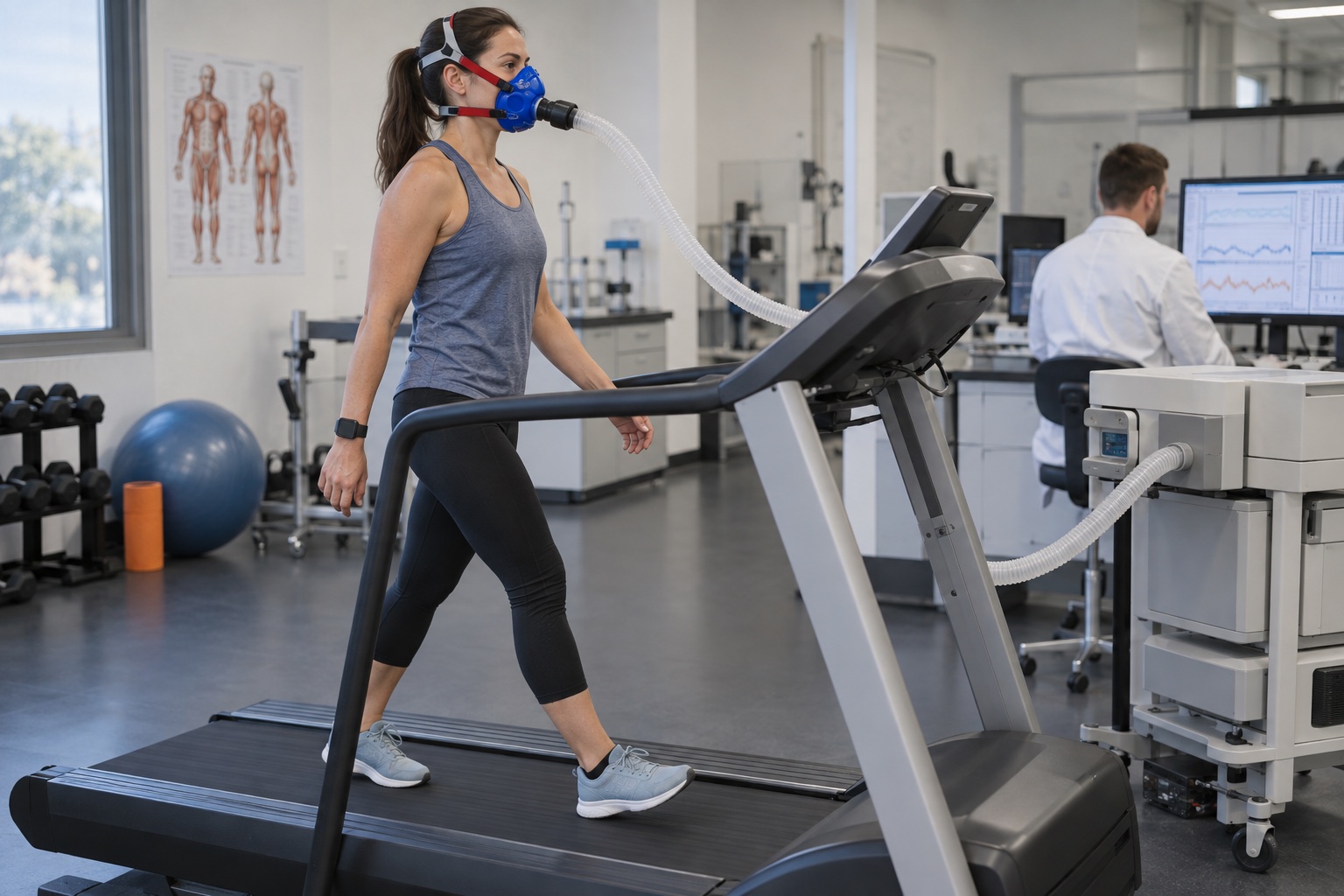
Wearable calorie estimates are useful as rough within-device trends, but error is too large and activity-dependent to treat them as food earned or precise energy expenditure.
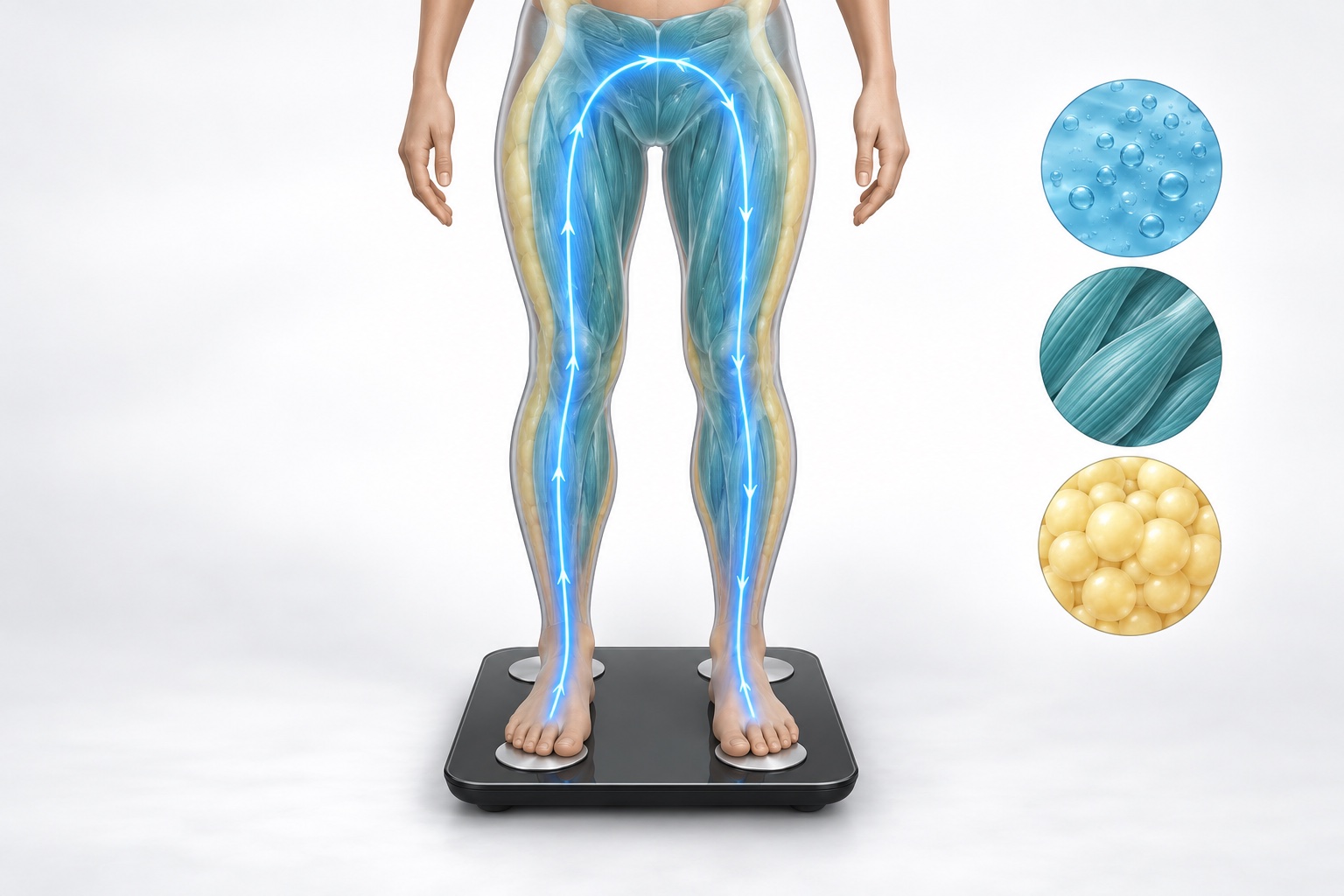
A smart scale sends a tiny current through the body, measures impedance, estimates body water and fat-free mass, then calculates body fat using a prediction model.
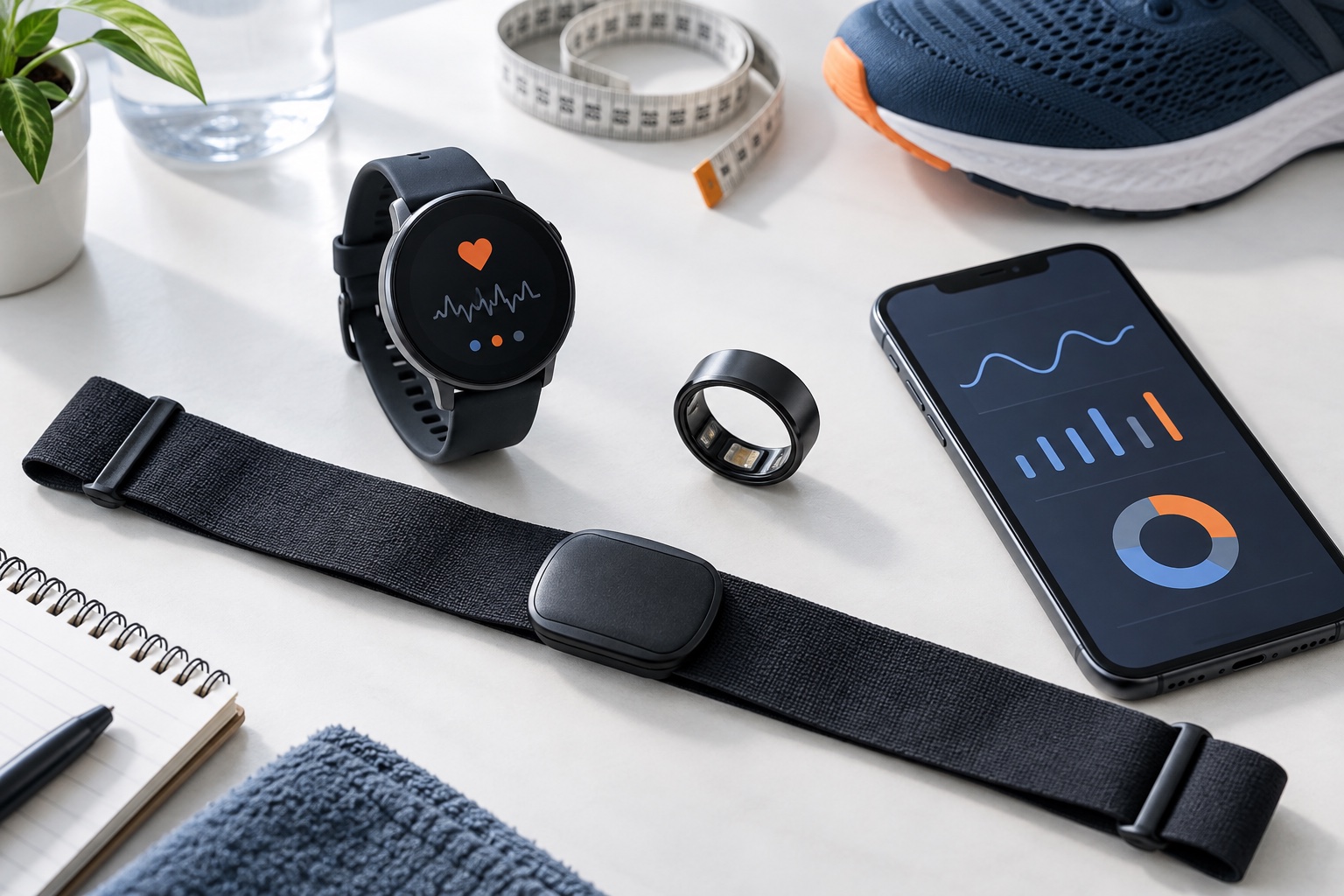
No wearable wins every measurement. Choose by heart rate, steps, distance, sleep, or recovery—and treat calorie estimates as rough trends.
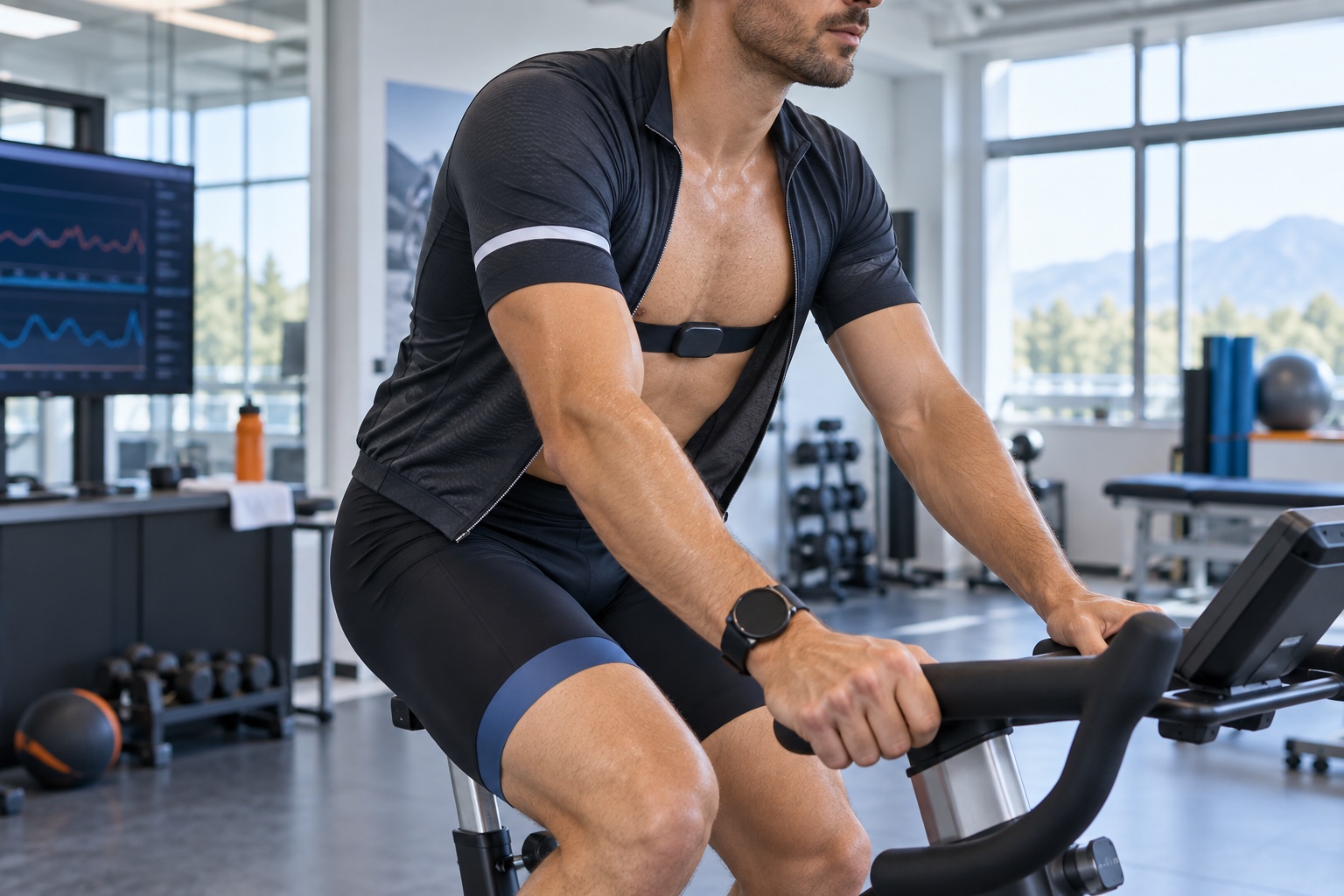
Chest straps usually follow rapid heart-rate changes more accurately, while a well-fitted smartwatch is often sufficient for rest, steady cardio, and all-day trends.