Smartwatch vs. Chest Strap Heart-Rate Accuracy
A chest strap is generally the better choice when heart rate must respond quickly and accurately during intervals, cycling, strength work, or zone-based training. A well-fitted optical smartwatch is more convenient and can be accurate enough at rest and during steady aerobic exercise, but wrist motion, grip, vibration, cold skin, and rapid intensity changes can create lag or dropouts.
The difference comes from the signal: most chest straps sense the heart’s electrical activity, while watches estimate pulse from light reflected through the wrist. Neither is a diagnostic ECG, and the exact result still depends on model, fit, activity, and data processing.
Which Is Better for Your Activity?
Use the least intrusive sensor that is accurate enough for the decision you will make from the data.
| Use case | Better starting point | Why |
|---|---|---|
| Resting heart rate and all-day trends | Smartwatch | Convenient continuous wear; rapid response is less important |
| Steady walking or easy running | Either | A snug validated watch often performs well at stable intensity |
| Intervals and hill repeats | Chest strap | Electrical sensing usually follows fast rises and recoveries with less optical lag |
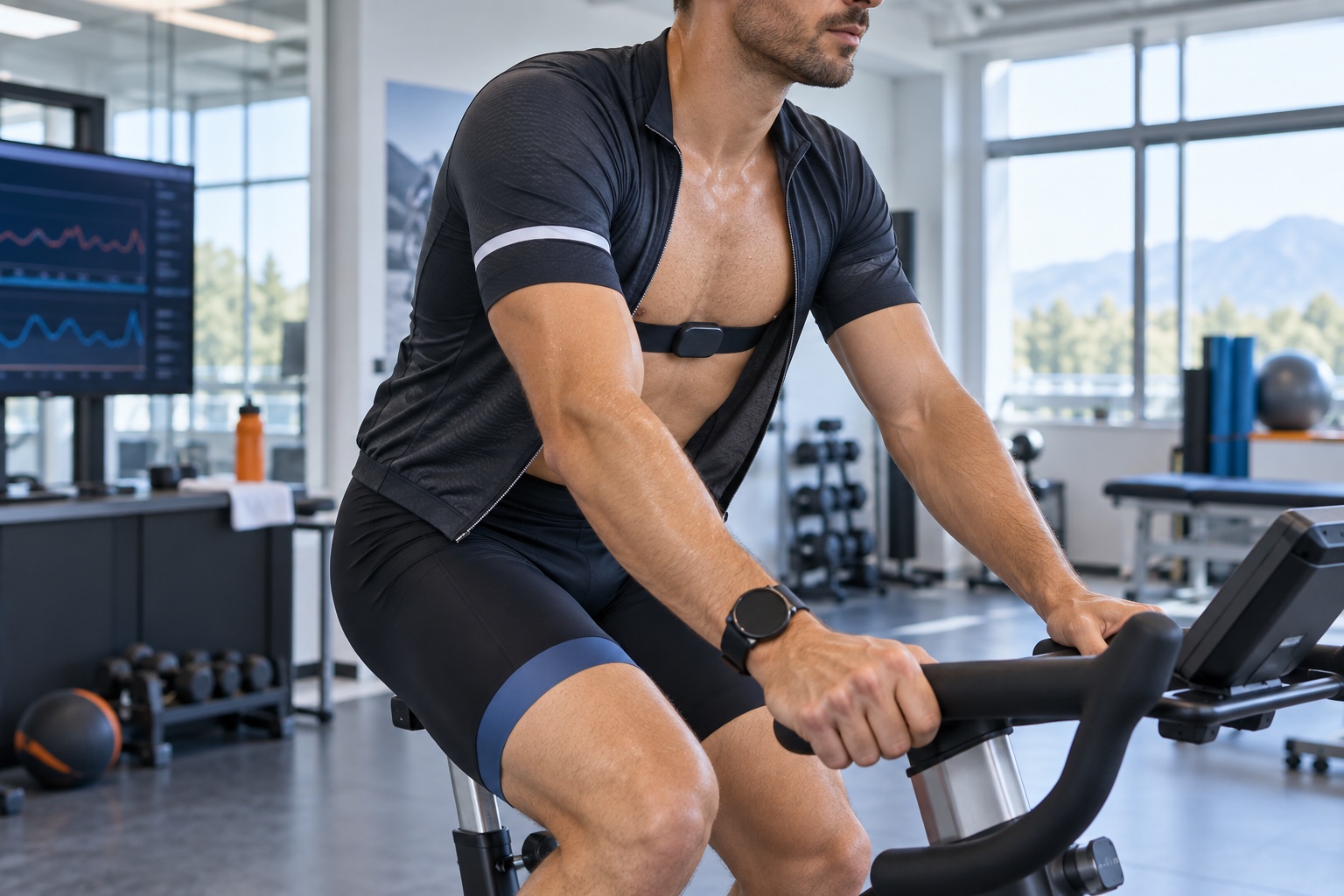
| Indoor cycling | Chest strap | Bent wrists, gripping, vibration, and limited arm movement can challenge wrist optical sensors |
| Strength training | Chest strap | Grip and wrist flexion create motion and pressure artifacts; strap can still shift under some movements |
| Trail running | Chest strap | Terrain, cadence changes, poles, cold, and vibration make wrist measurements harder |
| Swimming | Activity-specific decision | Water, fit, signal storage, and live transmission support vary by model |
| Short-term HRV measurement | Validated ECG chest strap | Accurate beat-to-beat intervals matter more than a smoothed heart-rate average |
| Overnight recovery trend | Comfortable watch or ring | Consistent long wear can be more useful than a strap that disrupts sleep |
ECG Chest Strap vs. Optical Wrist Sensor
A typical chest strap detects the electrical depolarization associated with each heartbeat through electrodes against the skin. A watch uses photoplethysmography (PPG): LEDs illuminate tissue and photodiodes detect pulse-related changes in reflected light. The algorithm filters motion and converts the pulse waveform into heart rate.
Electrical chest sensing is closer to the cardiac event and usually captures beat timing more directly. Optical sensing occurs at the wrist after the pulse travels from the heart and is more vulnerable to movement and contact changes. Newer watches use improved sensors and filtering, so the gap can be small during steady exercise and much larger during transitions.
What the Evidence Supports
A 2025 systematic review of 32 chest-worn sensor studies found strong agreement with ECG for frequently studied devices at rest and during light-to-moderate activity, while noting problems from motion, placement, sweat, electrode contact, and controlled-lab study designs. Broader smartwatch reviews find that optical heart rate is often acceptable at rest and steady state but degrades during dynamic or transitional exercise.
That does not establish one permanent brand winner. Hardware, firmware, sampling, population, sport, and the study reference all change the result. Correlation is also not enough: two devices can rise and fall together while one remains several beats high, low, or delayed.
Fix Setup Before Blaming the Sensor
Smartwatch
- Wear it flat, one or two finger-widths above the wrist bone.
- Tighten enough to prevent sliding without restricting circulation.
- Start the activity and wait for a stable reading before the hard interval.
- Clean the optical window; warm cold skin gradually.
- Try the other wrist if tattoos, hair, or fit interfere with contact.
Chest strap
- Place it horizontally against bare skin below the pectoral muscles.
- Moisten the electrode areas as the manual directs before a dry-start session.
- Tighten it so it does not slide with breathing or movement.
- Wash or rinse the strap according to the manufacturer’s instructions.
- Replace the battery or strap when spikes and dropouts persist.
Run a Side-by-Side Heart-Rate Test
- Use one recording clock. Pair both sensors to apps or devices that preserve timestamps and allow export.
- Warm up for 10 minutes. Confirm both readings are stable before testing.
- Hold three steady stages. Record easy, moderate, and hard efforts for several minutes each.
- Add five controlled transitions. Alternate one minute hard and two minutes easy so lag becomes visible.
- Export the time series. Do not compare only the workout average.
- Mark missing sections. A plausible-looking value held flat during a dropout is still bad data.
- Repeat on another day. One perfect or terrible workout can be an outlier.
Compare median difference, mean absolute error, peak error, time lag after each transition, and missing-data percentage. Treat the chest strap as a practical reference only if that exact model is validated and its signal is clean; it is not automatically a clinical gold standard.
When the Extra Accuracy Is Worth It
- Use the watch alone for general activity, resting trends, easy workouts, and convenience.
- Add a chest strap when heart-rate zones control the workout, recovery between intervals matters, or wrist data repeatedly lag or drop.
- Use a validated chest strap for beat-to-beat HRV spot checks, while comparing trends only under the same posture and breathing conditions.
- Use medical evaluation for symptoms, suspected arrhythmia, or treatment decisions. Consumer exercise sensors do not diagnose a heart condition.
The broader fitness tracker accuracy guide explains why the best heart-rate device may still be weak for calories, sleep, or GPS.
Sources and Manufacturer Guidance
Requirements can vary by product, model, and situation. These primary sources informed this guide; official instructions for your exact product and current authoritative guidance take priority.
Frequently Asked Questions
-
Usually during rapid intensity changes, cycling, and motion-heavy exercise. A well-fitted modern watch may be close during rest or steady cardio, but performance varies by device, person, and activity.
-
Optical filtering can lag behind a fast rise, and motion or poor contact can weaken the signal. Tighten and reposition the watch, warm up first, and compare the exported time series with a validated chest strap.
-
Some ECG chest straps are validated for R-R intervals under specific conditions. Use a supported app, remain still, and follow a standardized protocol. Not every strap or exercise recording is suitable for HRV analysis.
-
For easy, steady running, often yes. For short intervals, trail running, cold conditions, or zone-based sessions where a delayed reading changes the workout, a chest strap is the safer choice.
-
Not as a general exercise monitor. Some specific devices and features have regulatory clearance for defined notifications or recordings, but symptoms or concerning results require appropriate medical assessment.