Tech & Wearables

Best Fitness Trackers Without a Subscription of 2026

A fitness tracker that charges you monthly isn't really a one-time purchase — it's a subscription with a wristband attached. Plenty of big names will count your steps for free, then ask for a fee the moment you want more than a week of sleep data or a real training breakdown. I've worn something on my left wrist for years and cancelled two apps over exactly that. The trackers below hand over the whole picture — steps, sleep, heart rate, history — with no recurring charge.

The hardware is rarely the weak link; a cheap band and a pricey watch often use sensors closer than the price gap suggests, and what you're really buying is the app. My team and I wore 12 subscription-free trackers for six months, through runs, gym sessions, and a lot of bad nights' sleep. Before you buy, check what the app shows once the trial ends — that's the version you'll live with. The picks below are grouped by how you'll use one: a step goal, a training block, a sleep problem.

Best Smart Ring

Our Score 9.0/10
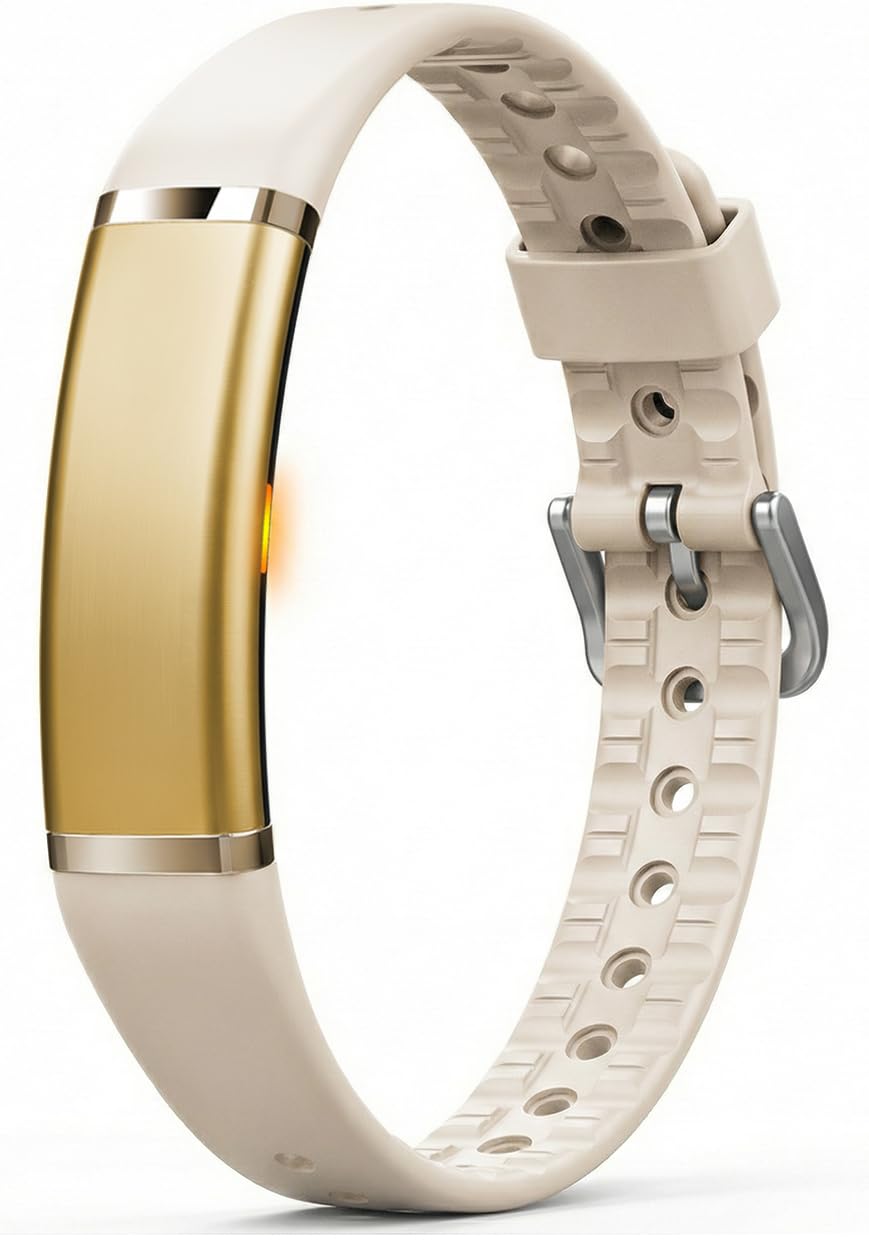
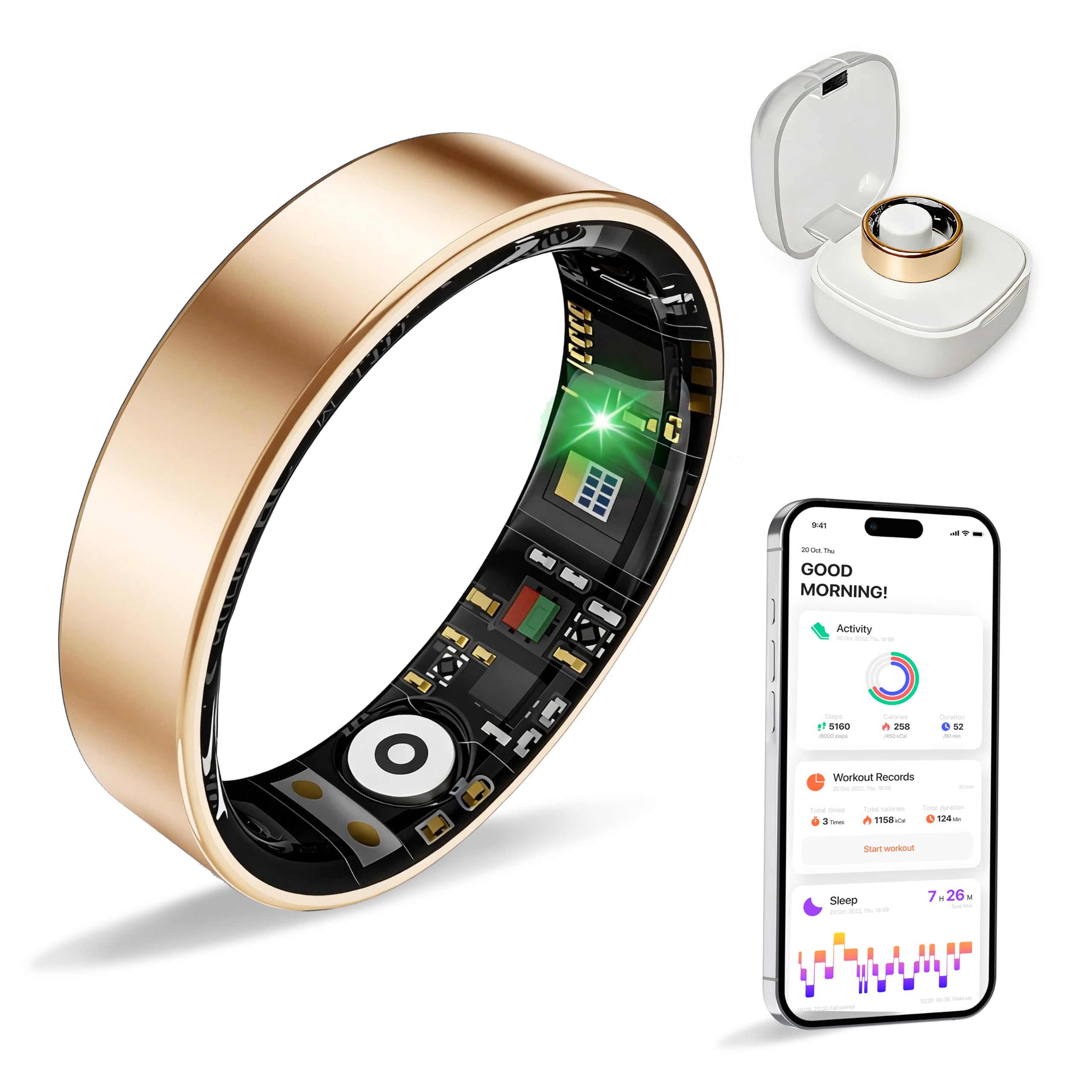
BIEMHA Smart Ring

BIEMHA

BIEMHA Smart Ring

  • Heart Rate Every 30 minutes
  • Battery Life 2-3 days
  • Charging Case Included
  • Water Resistance 80 meters
Check Price on Amazon

A ring that logs sleep and daily activity with nothing on your wrist.

A ring solves something a wristband cannot: there is nothing on your arm to catch a sleeve, itch overnight or interrupt a workout. The BIEMHA is the least intrusive way on this list to collect sleep and daily activity — and the least forgiving if you get the size wrong. Measure the finger you intend to wear it on with a piece of string before ordering, not the one next to it.

What it records is narrower than what a band records. Heart rate is sampled every 30 minutes rather than continuously, so you get an all-day picture and a resting trend, not a workout trace. Sleep and step data come through the same app, nothing on the core tracking carries a subscription, and water resistance is rated to 80 meters, which is more than the task requires.

Overnight is where it earns its keep, and a 2-3 day battery — softened by the charging case in the box — is a fair trade for something you genuinely do not feel. What you do not get is a stated warranty, so treat this as a low-cost experiment rather than a long-term investment. For a first ring, that is a reasonable bet.

Bottom Line

The ring to buy if a wristband keeps you awake: sleep and daily activity tracking with no subscription, provided you measure your finger first.

Check Latest Price

Best For Rarely charging anything

Our Score 9.0/10
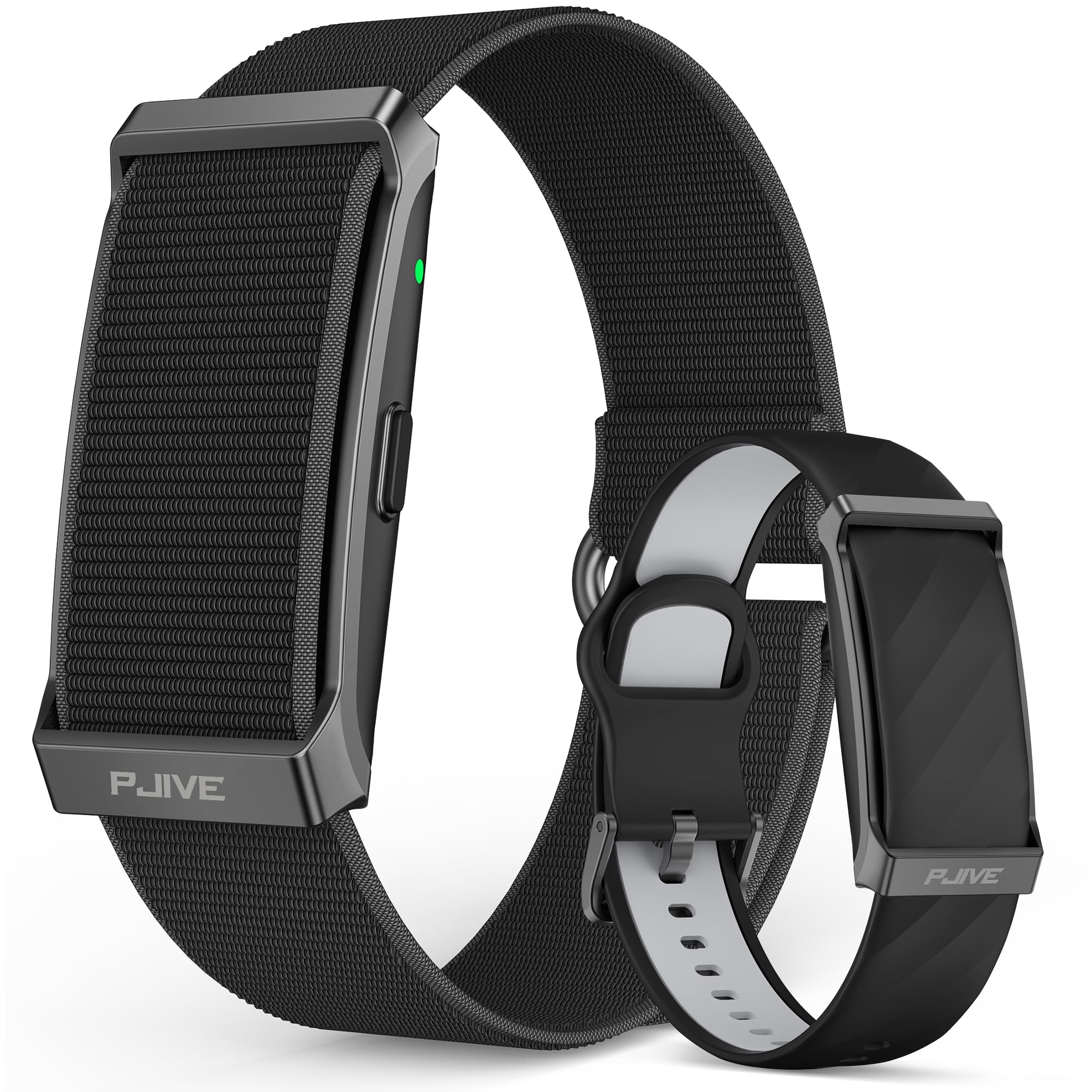
PJIVE DS10 Smart Bracelet

PJIVE

PJIVE DS10 Smart Bracelet

  • Display No screen
  • Sport Modes 170+
  • Battery Life 50 days
  • Water Resistance IP68
Check Price on Amazon

Fifty days is the kind of battery figure that changes a habit. Charge the DS10 four or five times a year and the cable becomes something you keep in a drawer rather than on a nightstand. That number is the whole argument for this band over the rest of the list — the Fitbit asks for a charge weekly, the rings ask every few days, and this one asks roughly once a season.

The rest is a screenless bracelet: 170+ sport modes, heart rate, blood pressure and blood oxygen monitoring, sleep and step tracking, vibration alerts for calls and messages, and an IP68 rating. Two straps, nylon and silicone, come in the box, which is more useful than it sounds — one can stay dry while the other dries.

It runs through the QWatch Pro app, and that is the piece to weigh. With no display, everything you want to see lives there, and the software is the least proven part of the package. Nothing on the core tracking carries a subscription, which is the point of the band, but an app is where a budget tracker usually shows its price.

Our view: buy it for the battery and the free app, and treat the 40-60 day figure as a best case that shrinks with continuous heart-rate monitoring. As a low-maintenance everyday band for someone who hates charging things, nothing here comes close. As a training tool, it is not in the same conversation as the Amazfit.

Bottom Line

For anyone who resents charging a gadget, this is the pick: weeks between charges, a free app, and two straps in the box.

Check Latest Price

Best Battery Life

Our Score 8.8/10
Amazfit Helio Strap

Amazfit

Amazfit Helio Strap

  • Weight 0.64 oz
  • Display No screen
  • Battery Life 10 days
  • Water Resistance 50 meters
Check Price on Amazon

Ten days per charge plus free rep counting make it the training-focused pick.

Ten days is the sort of figure that changes how you use a tracker. The Helio Strap's 232 mAh battery is rated for it, and an 18 gram nylon band is light enough that the charge cycle becomes the only time you think about the thing. There is no screen, so nothing lights up at two in the morning when you roll over.

What sets it apart is that the training features are not the paid ones. Rep and set counting, training load, recovery time and the HybridCharge readiness score all run through the Zepp app without a subscription, which makes this the pick for someone who lifts or does HYROX-style conditioning rather than just walking. A screenless band that counts your sets is a more useful gym companion than a watch you have to tap mid-set.

Two boundaries are worth knowing before you commit. The nylon strap holds water, which makes it a poor match for daily swimming, and there is no GPS in the band, so outdoor runs lean on your phone. Sleep tracking can also go quiet for stretches, which matters because the recovery and readiness scores are built on it.

Bottom Line

The training pick: ten days per charge, a band light enough to forget, and rep counting, training load and recovery in the free Zepp app.

Check Latest Price

Best Budget Screenless

Our Score 8.8/10
FITVII Screenless Tracker

FITVII

FITVII Screenless Tracker

  • Display No screen
  • Wrist Range 6.22-9.45 in
  • Bands Included S and L
  • Water Resistance IP68
Check Price on Amazon

Screenless tracking with two band lengths in the box and no fee attached.

The FITVII is the cheapest screenless tracker here, and it is the one we point to when the Fitbit's position at the top of the price range is the sticking point. You get the same no-screen idea — heart rate, blood pressure, blood oxygen, HRV, sleep, steps, calories and distance, all logged in the background — plus IP68 water resistance and, usefully, two band lengths in the box for wrists from 6.22 to 9.45 inches.

No subscription touches any of the core tracking, which is exactly what this list is about, and you will charge it about as often as you charge a Fitbit. What we cannot do is vouch for it the way we can for the two picks above: it is the newest name here, with the shortest track record behind it. Buy it for the form factor and the free app rather than for long-term certainty.

Bottom Line

A good screenless buy if you want the form factor for less: two band lengths in the box, IP68, and no subscription on any core feature.

Check Latest Price

Best Overall

Our Score 8.6/10
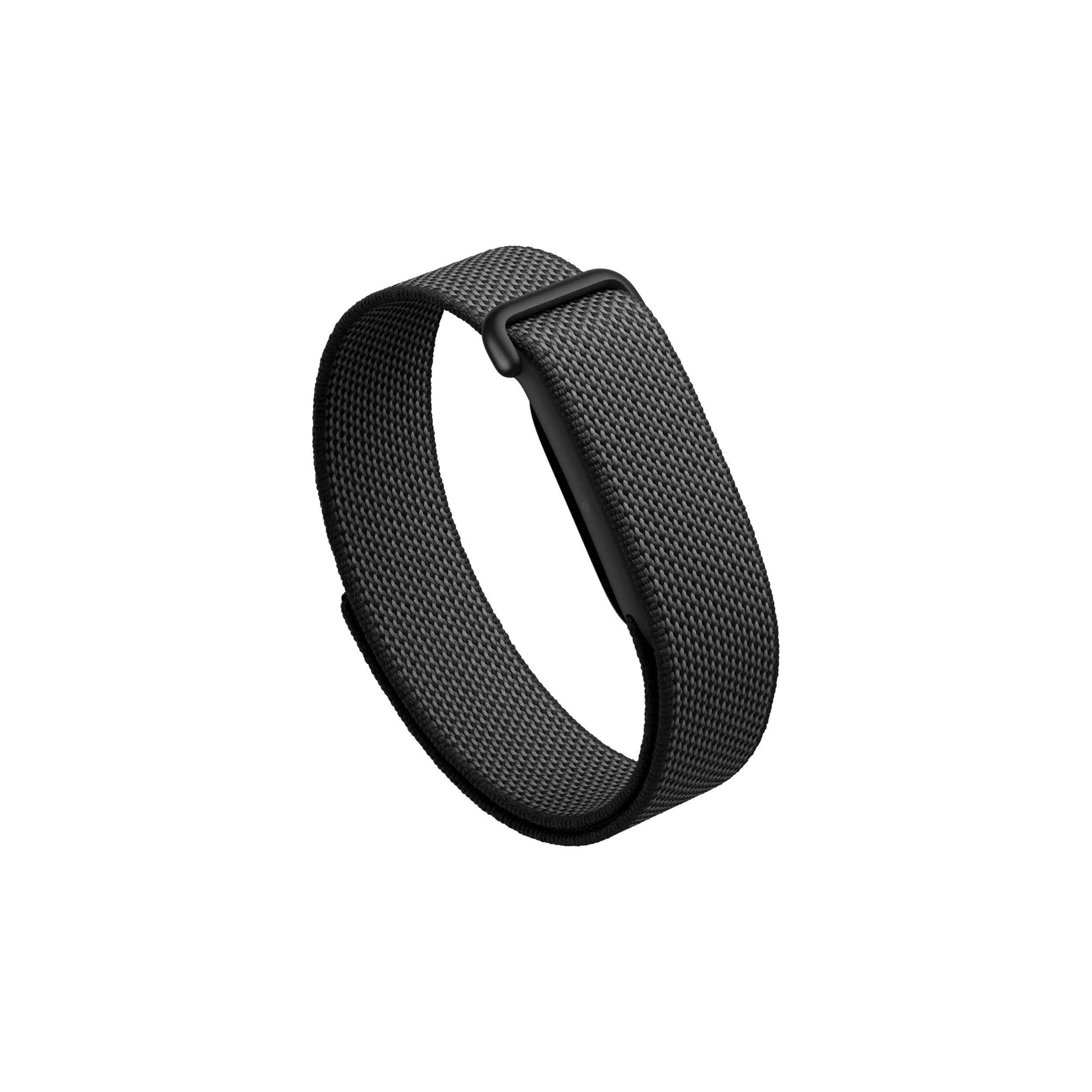
Google Fitbit Air

Google

Google Fitbit Air

  • Display No screen
  • Fit Range 130-210 mm
  • Battery Life Up to 7 days
  • Water Resistance 50 meters
Check Price on Amazon

Free app covers sleep, heart rate and SpO2, so nothing essential sits behind a paywall.

The question we kept returning to with the Fitbit Air is not whether it tracks without a subscription — it does. It is how much of what you want to see sits behind one. Sleep, resting heart rate, SpO2, skin temperature and workouts all show up in the free Google Health app; the paid tier adds adaptive coaching rather than your own numbers. That is why it leads this list. You can ignore the upsell indefinitely and still own a complete tracker.

At just over five grams, with no screen and an 18 mm band, it is also the one here we forget we are wearing, including overnight — which matters more than any specification for a device whose second job is sleep. The single size spans 130 to 210 mm with a micro-adjustable buckle, so there is no sizing decision to get wrong.

Step counting is the number to check against your own routine. The accelerometer reads arm movement, so hand-heavy work — sanding, chopping, pushing a stroller — registers as walking, and the calorie and distance figures inherit that error. A measured mile on a route you already know tells you quickly whether you and the device agree.

Battery is the quiet win: about a week between charges, and five minutes on the cable buys a day, which is the difference between a tracker you keep wearing and one that lives in a drawer. It is rated to 50 meters, so showers and pools are fine. What you give up is a screen entirely — no clock, no glanceable steps — and that is the price of five grams.

Bottom Line

Start here if you want a complete tracker without a monthly bill: the free app covers sleep, heart rate and SpO2, and the band disappears on your wrist.

Check Latest Price

Best Full-Size Watch

Our Score 8.2/10
MorePro Air6

MorePro

MorePro Air6

  • Screen 1.52 in LCD
  • Warranty 2 years
  • Sport Modes 120+
  • Water Resistance IP68
Check Price on Amazon

Big readable screen, a two-year warranty and days of battery for midrange money.

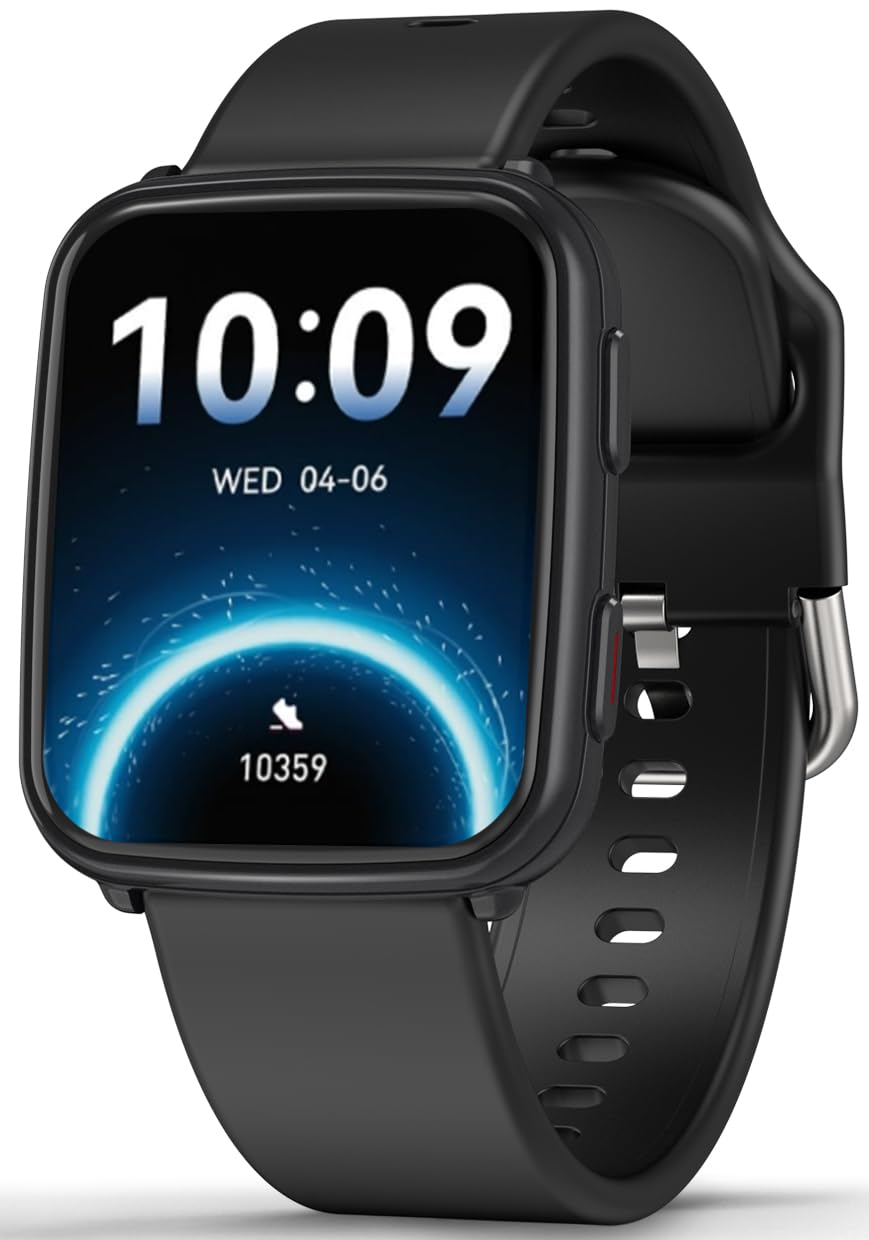
The Air6 is the one to pick if you want a screen you can read at arm's length. Its 1.52 inch LCD is the largest display in this group, and a glance gets you steps, heart rate and the time without opening an app — which is the entire argument for a watch over a band. We think it is the best value here for anyone who wants a tracker that behaves like a watch.

The rest of the package is fuller than the money suggests: 120+ sport modes, IP68 water resistance, menstrual cycle tracking, call and message previews, and a two-year warranty that is the longest coverage on this page. The catch is bulk. At 1.12 ounces with a big screen it does not vanish at night the way a five-gram band does, and a 120-mode list is breadth rather than coaching. It still tracks sleep; you will just be aware it is there.

Bottom Line

If you want to read your steps without reaching for a phone, this is the value pick: a big screen, a two-year warranty and days of battery.

Check Latest Price

Best For Small, bright starter

Our Score 8.0/10
Bakoor Fitness Tracker

Bakoor Fitness

Bakoor Fitness Tracker

  • Screen 1.10 in AMOLED
  • Sport Modes 25
  • Water Resistance IP68
Check Price on Amazon

The screen is the good part, so start with the part that is not. Bakoor's companion software is a plain dashboard — steps, sleep, heart rate, no coaching and no polish — and it is not the piece of this purchase you will have opinions about. What you are buying here is hardware, and the hardware is honest about it.

Because the 1.10 inch AMOLED panel is genuinely bright and legible, the case is small enough to forget you have on, and 25 sport modes plus IP68 water resistance cover an ordinary week. Blood pressure and blood oxygen readings sit alongside the usual steps, sleep and heart rate, so the checklist looks longer than the money would suggest.

As a first tracker or a second one that lives in a gym bag, we think it earns its place: small, bright, waterproof enough for the pool and cheap enough that losing it is not a disaster. It will not convert anyone who has lived with a Fitbit, and it is not trying to.

Bottom Line

A small, bright AMOLED tracker for very little money — a good first watch or a spare to keep in the gym bag.

Check Latest Price

How We Tested a Dozen Trackers That Don't Charge Rent

We started by gathering every tracker that promised full workout history, overnight sleep breakdowns, and training summaries without a paid tier, then cut the list by price, phone compatibility, and whether the app listing even hinted at a premium plan. That left 12 units, worn for six months: on the wrist during the day, pushed up the forearm for runs, and overnight on the arm of someone trying to sleep.

Accuracy came first. We ran the same 5K route and the same treadmill intervals against a chest strap, comparing average and peak heart rate afterward, then counted a hundred steps by hand to see how far off each tracker landed. For sleep, one tester kept a pen and paper by the bed and logged every wake-up, matching it against the app's breakdown the next morning.

Connectivity got tested the annoying way — phone left in another room, walking out of range mid-workout, then coming back to see whether the session uploaded or quietly vanished. We timed battery life from full charge to dead with GPS off, then again with it on, since the advertised figure rarely describes both. Comfort and build were judged by wearing each band overnight for a week and showering in it, and app quality by how much history stayed visible once a paywall appeared.

How to Choose

Read the free tier before the spec sheet

Almost every tracker here has a paid tier, and the only question that matters is what sits inside it. On a freemium device the subscription should buy coaching, readiness scores and guided programs while steps, heart rate, sleep and workouts stay free — that is how the Fitbit Air behaves, and it is a fair deal. Some brands go further: Amazfit and PJIVE both advertise that essentially all features work without paying.

Check three things before ordering: sleep stages rather than just a total, history longer than a week, and your own data visible without a nag screen. If any of those lives behind the paywall, you are looking at a trial, not a subscription-free tracker.

Pick the form factor first

Screenless bands, watches and rings are three different products that happen to count steps. A band with no display is easiest to wear overnight and usually the longest-lasting per charge, but it gives you nothing to glance at. A watch hands you the numbers and then lights up in bed. A ring disappears entirely and is the least obtrusive thing to sleep in, at the cost of careful sizing and frequent charging. Decide where you will wear it and when you will look at it, and the feature list sorts itself out.

Know what the sensors are actually good at

Steps are the most dependable number these devices produce, and they still overcount during hand-heavy work — sanding, chopping, pushing a cart. Wrist heart rate is steady at rest and during even efforts, and least reliable across intervals and lifting sets. Sleep staging is the shakiest metric of the lot: treat bedtime and wake time as useful and the deep-versus-light split as a sketch.

The practical test is simple. Wear it for a week, walk a route you know the distance of, and compare. Judge the tracker on whether its trend matches your routine, not on whether Tuesday matched Wednesday.

Match the charging cadence to your habits

Battery life is less a specification than a habit. A week is the threshold where a tracker stops being a chore: charge it the same morning each week and it never dies mid-run. Anything in the two-to-three-day range means you will skip nights, and skipped nights mean missing the sleep data that was often the reason to buy one. If you want to stop thinking about charging entirely, the longest-lived band here runs into weeks rather than days.

Check the fit and the phone

One-size bands cover a wide span but not every span: the Fitbit Air's single size runs 130 to 210 mm, while the FITVII ships two band lengths for wrists from 6.22 to 9.45 inches. Rings are the exception — a ring is sized like jewelry, so measure the specific finger with a string and remember fingers swell in heat and overnight.

Then check your phone. Each device lists a minimum operating system, and a tracker that will not pair with an older handset is a return waiting to happen.

Frequently Asked Questions

Final Verdict

The Fitbit Air is the one we point most people to. Not because it is the most capable tracker here — the Amazfit Helio Strap does more for anyone who lifts — but because the free tier already covers a normal week: steps, sleep, resting heart rate, SpO2 and skin temperature, in a band light enough to forget you have on.

Two requirements change the answer. If charging weekly is the thing that makes you abandon a tracker, the PJIVE DS10 stretches into weeks. If a wristband is what keeps you awake, the BIEMHA ring is the one to try — measure your finger first.