Training Shoes

Best Zero Drop Running Shoes of 2026

Zero drop running shoes put your heel and your toes at the same height off the ground, which quietly changes where your foot lands and how hard your calves have to work. Get the geometry wrong and you're running on a plank; get it right and your toes finally have room to spread and push off. I've been rotating through 12 pairs since spring, and the keepers all nailed the same two things: a toe box wide enough to actually splay into, and cushioning that doesn't flatten out by mile ten.

Comfort is what got them onto my feet, but looks, traction, and price are what kept them there. A few pairs gripped wet pavement and loose dirt without drama and still cleaned up well enough to wear to the store afterward. Sizing was all over the place, so I logged which ones ran short and which pinched across the midfoot. One thing nobody tells you: don't jump from a 12mm trainer straight into a flat shoe on back-to-back days — ease in over a few weeks, and your Achilles will thank you.

Best for Trails

Our Score 9.0/10
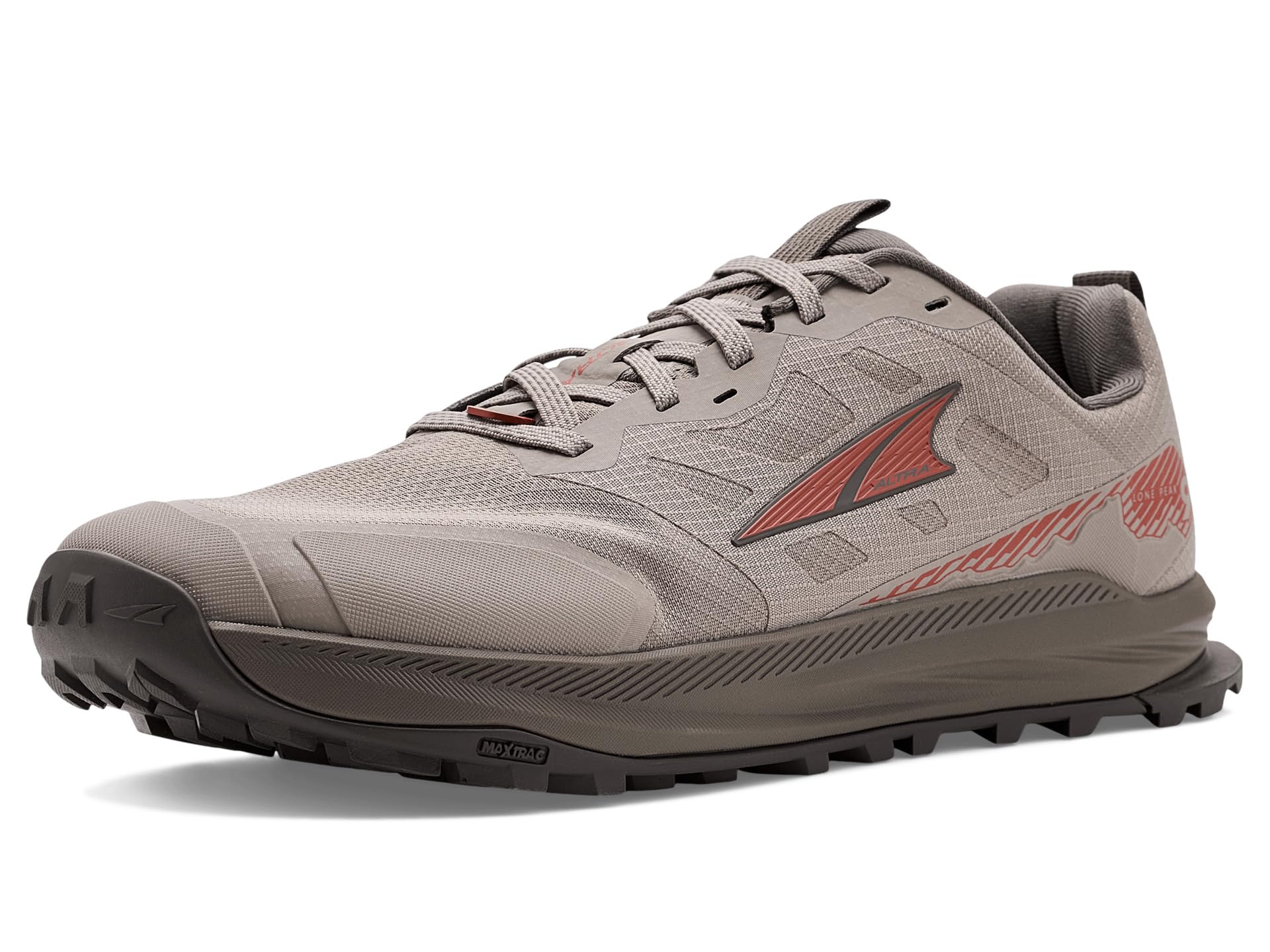
Altra Lone Peak 9

Altra

Altra Lone Peak 9

  • Drop Zero
  • Terrain Trail
  • Toe Box Wide
  • Department Men's
Check Price on Amazon

Grip, toe room, and a stable ride for dirt, rock, and long descents.

Wet rock is where trail shoes show themselves, and the Lone Peak 9's outsole is why we kept reaching for it on off-road days. The tread is aggressive enough to bite into loose gravel and slick, mossy rock, and the platform stays planted under a wide foot instead of rolling over the edges.

The change we noticed most is across the ball of the foot. Altra widened this version there, and the effect is that your toes spread on push-off and stop hammering the front of the shoe on descents — the part of trail running that ruins toenails. It looks a little cartoonish in a loose size, and we made our peace with that after the first long descent.

The materials are where the price stops showing. The outsole and upper are trail-grade, but the sole rubber wears early when you mix in a lot of pavement, so keep it for dirt if you want it to last.

Away from running, it's the pair we leave on for a full day on our feet — the wide platform is as comfortable standing at a counter as it is dropping off a ridge.

Bottom Line

The trail shoe we point zero drop runners to: room across the toes, grip on wet rock, and a platform that stays stable when the ground tilts.

Check Latest Price

Best Overall

Our Score 8.8/10
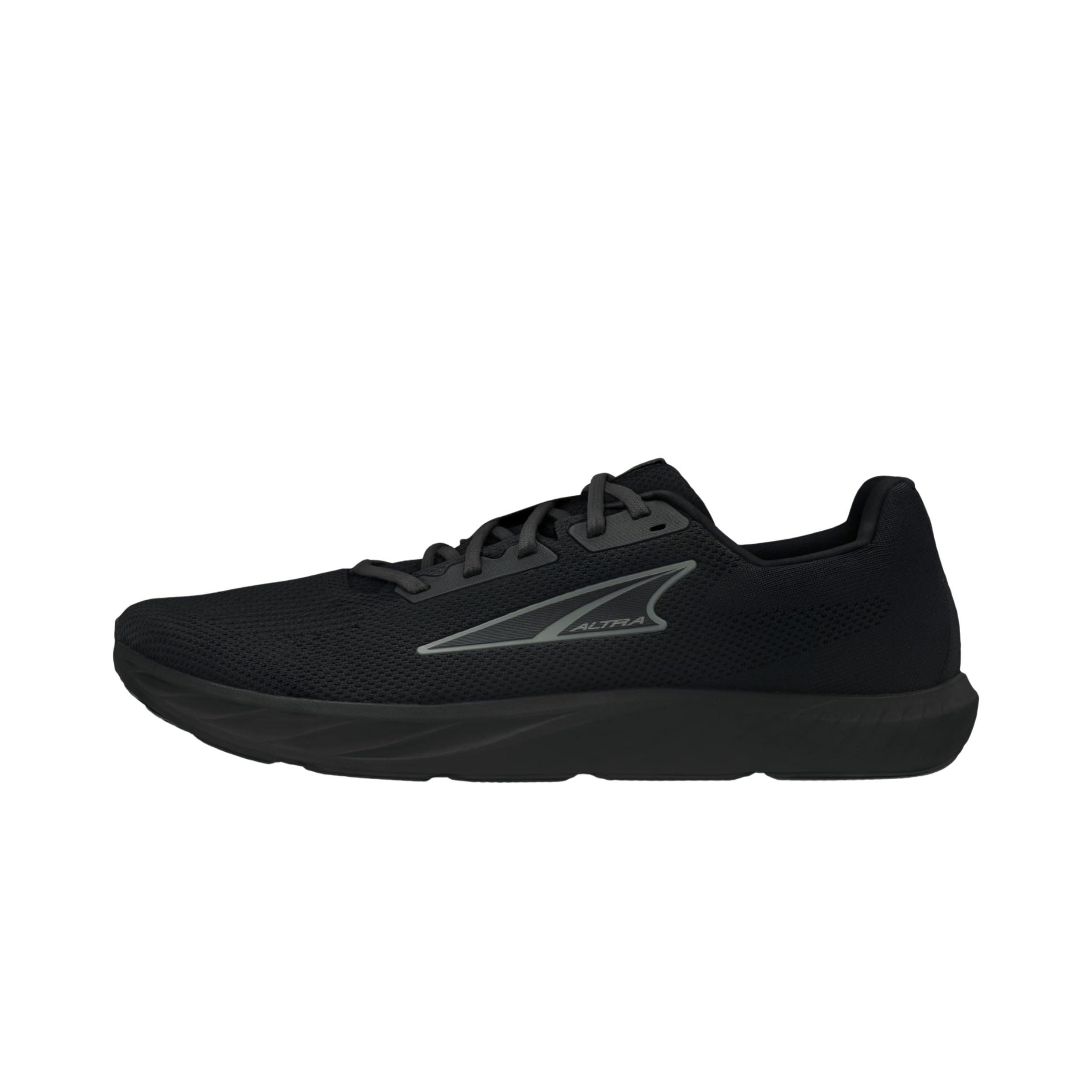
Altra Escalante 4

Altra

Altra Escalante 4

  • Drop Zero
  • Terrain Road
  • Toe Box Wide
  • Cushioning Medium
Check Price on Amazon

A wide toe box and real cushioning make zero drop feel normal on pavement.

Zero drop usually costs you cushioning, and that trade is the first thing we check when a new pair lands on the desk. The Escalante 4 refuses it. There's a real, medium-depth layer of foam underfoot, and our pavement runs felt lively rather than flat — low enough that you can read the road through the sole, forgiving enough that a heavy week of miles didn't leave our feet buzzing.

The shape earns the recommendation as much as the foam does. Altra cuts this shoe wide across the toes and keeps the midfoot and heel close, so your foot spreads on landing without sliding around inside the upper. We ran in it with a thin orthotic and still had room in the toe box, which is rare in a shoe that also holds the heel this well.

Two small things we noticed. The laces work loose over a run, and a double knot is the fix. The black colorway reads more navy than black in daylight, worth knowing if you're matching a uniform or a drawer full of black socks.

Where it gives way is dirt. The outsole is built for pavement, so if most of your week is trail, the Lone Peak 9 is the better shoe and the Escalante will feel nervous on wet roots.

Bottom Line

The zero drop road shoe we reach for first: real cushioning, a genuinely wide toe box, and a fit that still feels secure when you pick up the pace.

Check Latest Price

Best for Women

Our Score 8.6/10
Joomra Women's Trail Shoe

Joomra

Joomra Women's Trail Shoe

  • Closure Cord lace and hook-and-loop
  • Terrain Trail
  • Toe Box Wide
  • Department Women's
Check Price on Amazon

Grippy, roomy, and cheap enough to try the barefoot idea on trails.

The Joomra closes with a cord and a hook-and-loop strap instead of laces. It sounds like a gimmick until you want the shoe tighter across the instep without stopping to retie — one pull, one press, done.

Underfoot there's more grip than the price suggests. The tread holds on packed dirt and wet pavement, and the toe box gives your toes room without the shoe feeling like a house slipper. We wore them across a mix of trail and sidewalk and they were unremarkable in the best way: no hot spots, no sliding around inside the upper.

Sizing is the part to get right. These run small, and even with the wide toe box the midfoot is snug, so order up if you're between sizes and use the cord to take up the extra volume. That adjustable closure is the reason a snug shoe doesn't become a cramped one.

Bottom Line

Our budget women's pick for trails: grippy, roomy in the toes, and easy to snug down with one pull when the ground turns rough.

Check Latest Price

Best Budget Road Shoe

Our Score 8.4/10
WHITIN S81

WHITIN

WHITIN S81

  • Drop Zero
  • Terrain Road
  • Toe Box Wide
  • Department Men's
Check Price on Amazon

The least expensive way to find out whether zero drop suits you.

The S81 is the least expensive road shoe here, and that's exactly the role we give it: the pair to buy when you want to learn whether a flat platform agrees with your feet before spending Altra money. The shoe is low, wide, and unfussy, and nothing in the design fights your foot.

Cushioning is where it gives ground. On a short pavement run the S81 is perfectly pleasant; on longer efforts the sole runs out of depth, and our feet felt every seam in the sidewalk by the end. Treat it as a short-run and gym shoe — we also wore it for plyometrics and lifting and liked it there better than a cushioned trainer.

The toe box does what the listing promises, and the platform stays low and wide instead of tall and tippy — which matters more at 0 mm than in a cushioned trainer, where a thick heel can roll you over.

Bottom Line

The budget road shoe we hand to first-timers: low, wide, and cheap enough that finding out whether zero drop suits you stops being a financial decision.

Check Latest Price

Best For Ground feel

Our Score 8.4/10
WHITIN W51

WHITIN

WHITIN W51

  • Terrain Trail
  • Toe Box Wide
  • Department Men's
Check Price on Amazon

Thin is the whole point. The W51 puts you close enough to the ground to feel gravel and roots through the sole, which is either the reason to buy it or the reason to walk away — and after a week in them we're clear about which camp we're in.

The build is honest for the money: light, breathable, with a toe box that lets your toes spread and wide sizing that's hard to find at this end of the market. We wore them for hiking and a couple of easy trail runs, and they disappeared on the foot in the way the best minimal shoes do. Sizing is inconsistent between pairs, though, so order from somewhere with easy returns and try them indoors first.

Where it lands for us: it's a second-pair shoe. If you already own a do-everything trail shoe, the W51 is the one you grab for short, dry, feel-the-ground runs and gym sessions — and it packs flat enough that it earns a corner of a duffel.

Bottom Line

Our pick for genuine ground feel on a budget: as close to barefoot as anything here, best kept for dry trails and short runs.

Check Latest Price

How We Chose and Tested the Best Zero Drop Running Shoes

We started by pulling every true zero drop model we could find from the major running brands, roughly 40 in all, and confirmed the 0mm heel-to-toe offset against spec sheets instead of trusting the marketing copy. From there we filtered for the things that affect daily use: whether the shoe came in wide sizes, whether the insole was removable, and whether the price stayed under $200. That left 12 pairs, which three of us with different foot shapes and arches ran in for six months.

Those pairs went everywhere a shoe actually goes: sidewalk loops from my front door, intervals on a treadmill, a cinder rail trail that eats outsoles, and wet asphalt the morning after a rain. We also wore them off the clock — to the grocery store, on dog walks, through a full day on our feet — because a running shoe you can't stand around in is one that stays in the closet. Each pair logged at least 50 miles, rotated across testers so no single gait decided the verdict.

We measured the toe box at its widest point before the first run and again at 100 miles to see whether the upper stretched or the shoe closed in around our feet, and noted exactly where hot spots appeared. Every 50 miles we flipped each pair over to compare heel and forefoot wear, and pressed a thumb into the midsole to check whether the cushioning had packed out. Flat-footed testers reported whether they felt pressure under the arch or had to swap insoles. We tracked sizing too, along with how each shoe held up cosmetically after a few months of real wear.

How to Choose

Pick the Surface Before the Shoe

Terrain decides more than the offset does. A lugged trail shoe like the Lone Peak 9 grips wet rock and loose gravel, but those lugs are soft and short-lived on pavement; if most of your week happens on asphalt, a road shoe feels quicker and lasts longer. Choose the outsole for the surface you run on most, not the surface in the product photo.

The trap is assuming you need two pairs. Most runners mixing in one weekly trail run are fine in a road shoe with a rubber outsole on packed dirt — it just won't bite on wet roots or slick rock, so save the trail days for dry weather.

Toe Box Width and Midfoot Hold

Every shoe here has a wide toe box; that's the table stakes of the category. What separates them is what happens behind the toes. An upper that stays close through the midfoot keeps your foot from sliding forward on descents, which is where roomy shoes usually disappoint.

Test both standing still: spread your toes, then lean forward and see whether your heel lifts or your foot slides. If you wear an orthotic, bring it — a thin one fits in the Escalante 4, but a thick, padded insole lifts the heel and hands back some of the drop you paid to remove.

Match Cushioning to Your Longest Run

Zero drop doesn't have to mean a plank under your foot. The Escalante 4 carries a medium layer of foam and holds up on long pavement days; the Whitin and Joomra shoes are thinner, which is lovely for short runs and gym work and less lovely in the last mile of a long one.

Buy for your longest regular run, not your average one. And add miles slowly after the switch: at 0 mm your calf and Achilles do more of the work, so a gradual build is kinder than a sudden one.

What Budget Shoes Trade Away

Inexpensive zero drop shoes deliver the geometry for a fraction of the price; what they usually give up is upper and outsole life. On nearly every budget pair here, the wear shows first at the toe seam, the heel lining, or the rubber under the ball of the foot.

If you run twice a week, replacing a cheap pair every season still makes sense. If you want one shoe to survive a year of daily miles, spend more — and check the return window before you commit, because sizing across these brands is genuinely inconsistent.

Frequently Asked Questions

Final Verdict

The Altra Escalante 4 is the pair we point most runners to, because it's the one zero drop shoe here that doesn't make you choose between a flat platform and a comfortable ride. Wide toes, a secure midfoot, and enough foam for daily pavement miles make it the easiest transition in this group.

If your miles are on dirt, the Lone Peak 9 is worth the extra spend for its grip and stability. And if you're not ready to commit that much to an experiment, the WHITIN S81 gives you the same geometry for a fraction of the price — just keep the long runs for a shoe with more underfoot.