Training Shoes

Best Trail Running Shoes of 2026

Trail shoes carry a compromise nobody mentions at the register: the deeper the lugs that hold you on wet roots, the more of a chore the paved mile to the trailhead becomes. Go too far the other way and a loose gravel descent will show you exactly what people mean when they say a shoe feels sketchy. A good pair keeps its bite without punishing the easy sections, and wraps the toes in something that isn't a countdown to a black toenail.

I spent years wearing road shoes on muddy singletrack and wondering why my ankles hated me. Over the past eight months, my team and I ran 12 pairs through rooty climbs, dusty fire roads, and more pavement than a trail shoe should ever see. The gaps between them were bigger than the prices suggested, and the best-looking pairs in the batch were often the first ones benched. One thing I'd tell any first-time buyer: feet swell and slide forward on descents, so a roomy toe box and a half size that actually fits matter more than any spec sheet. The picks below are the ones that earned a second run.

Best for Mud and Soft Ground

Our Score 9.2/10
Salomon Speedcross 4

Salomon

Salomon Speedcross 4

  • Closure Quick-lace
  • Toe Box Narrow
  • Best Terrain Mud and soft ground
  • Listed Weight 1.65 lb
Check Price on Amazon

Aggressive mud grip and a light feel make this the soft-ground specialist in our test.

The Speedcross 4 is the mud shoe in this group. On soft, wet, churned-up ground it finds grip that the all-rounders here cannot match, and it does it without the vague, floating feel that aggressive tread sometimes creates. The outsole is at its best when the trail is soft enough to take an imprint, so this is a shoe to choose for conditions, not for a quiver of one.

The shoe is lighter than its aggressive look suggests, and the arch support gives it a surprisingly settled feel on climbs. We like the quick-lace closure more than we expected: it cinches evenly, adjusts on the move, and is easy to work with cold, muddy hands. That is a small convenience that becomes a real one in bad weather. The upper also holds the midfoot securely, which keeps the shoe from feeling sloppy when the ground is greasy.

We keep the Speedcross for soft-ground days rather than as an everyday trail shoe. That is not a knock on its comfort; it is a question of match. On long stretches of hardpack and rock, the soft-ground focus makes the ride feel less relaxed than the Cascadia's, and the shoe asks more of your foot on descents. The trade is worth it when grip is the thing standing between you and a confident run.

Bottom Line

When the trail turns soft and churned, the Speedcross 4 is the shoe we reach for: its mud grip is the best in this group.

Check Latest Price

Best for Wet Weather

Our Score 9.2/10
Salomon XA Pro 3D GTX

Salomon

Salomon XA Pro 3D GTX

  • Support Structured
  • Traction High-grip
  • Best Terrain Wet, rough trails
  • Weather Protection GTX
Check Price on Amazon

A premium, supportive trail shoe for wet weather and long days on rough ground.

The XA Pro 3D Ultra GTX is the most expensive shoe in this guide, and it makes its case in wet, rough conditions rather than on dry, groomed trail. The GTX build is the first clue: this is a shoe for wet grass, cold rain, and rocky ground where a little more structure is welcome. It feels like a piece of equipment, not a stripped-down racer.

We found its support among the strongest here. The chassis holds the foot securely on uneven ground, and the traction is confident on slick rock and loose climbs. The trade-off is that it feels like a substantial shoe, so runners who want a light, flexible feel will notice the extra structure on smoother trails. That structure is the point on rough ground; it is simply more shoe than some days require.

We like it best for wet-weather days and rough routes where protection matters more than playfulness. On dry, fast trail runs, the Cascadia is the easier shoe to live with, and the Caldera is the softer ride. The XA Pro's value is concentrated in the conditions that make other shoes feel underbuilt. If your trail season is mostly dusty and mild, put the money elsewhere.

Bottom Line

When the forecast turns and the trail turns rough, the XA Pro 3D Ultra GTX is the supportive, high-grip shoe we reach for.

Check Latest Price

Best For Mixed-surface runs

Our Score 9.2/10
Under Armour Charged Bandit Trail 3

Under Armour

Under Armour Charged Bandit Trail 3

  • Support Arch support
  • Traction All-purpose
  • Best Terrain Road-to-trail
Check Price on Amazon

The Charged Bandit Trail 3 sits at the road-to-trail edge of this group. It is happiest on smooth dirt, gravel paths, and the paved connector that gets you there, which makes it useful for runners who do not want a dedicated mud shoe for every outing.

We found its out-of-box comfort among the better budget options here. The foot feels secure without feeling clamped, and the traction is reliable on dry, mixed surfaces. The shoe's support is the part we appreciate most on longer walks and easy trail efforts.

Where it gives up ground is on wet roots, deep mud, and loose rock, where the tread cannot match the specialist shoes here. That is a fair boundary for a road-to-trail shoe: it keeps the ride smooth on pavement and secure on dry dirt, and it does not pretend to be something else.

This is the budget road-to-trail shoe we recommend first, and the reason is simple: it does not overbuild the trail part. The shoe stays comfortable on the pavement and competent on dry dirt, which is exactly what most mixed-surface runners need. It is the pair we grab for a lunchtime loop that starts on asphalt and finishes on gravel.

Bottom Line

The Charged Bandit Trail 3 is the easygoing budget pick for road-to-trail runs, with comfortable support and grip for dry, mixed surfaces.

Check Latest Price

Best Overall

Our Score 9.0/10
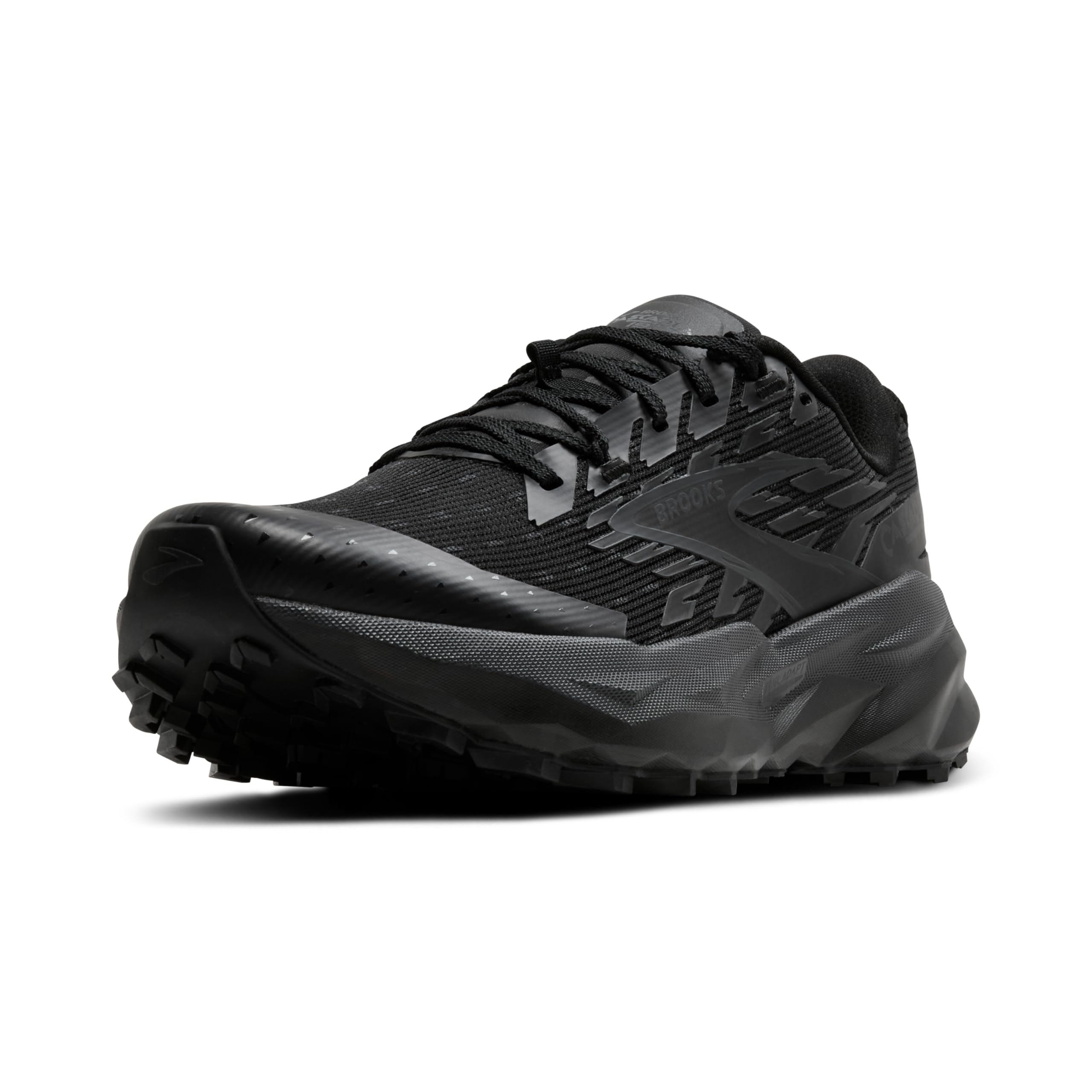
Brooks Cascadia 19

Brooks

Brooks Cascadia 19

  • Toe Box Wide
  • Traction All-surface
  • Cushioning Plush
  • Best Terrain Mixed technical trails
Check Price on Amazon

A stable, wide-toe trail shoe that handles rocky descents and mixed terrain without feeling clumsy.

Brooks gives the Cascadia 19 a wide, stable platform, and that is the detail that won us over. The toe box leaves room for toes to spread on descents, while the midsole stays planted instead of squirming underfoot. Plenty of trail shoes promise cushioning; fewer manage to feel this secure while still letting you read the ground.

It earns the top spot in this group because it covers the middle of trail running so well. The outsole holds on rock, roots, and loose dirt without the single-minded pull of a mud specialist, and the support is firm enough for long days without turning the ride harsh. On mixed technical terrain, it is the pair we trust to keep going when the trail turns choppy.

The fit is the other reason it stands out. A roomy forefoot and a secure heel are not easy to find in the same shoe, and the Cascadia gets the balance right for most feet. It is not a featherweight race shoe, so runners chasing a pure speed feel may find it a little substantial.

The Cascadia is not the most exciting shoe in the lineup, and that is part of the appeal. It disappears on a long climb, keeps its shape through a rocky descent, and does not ask you to think about your feet until the run is over.

Bottom Line

The Cascadia 19 is our first choice for most trail runners: a roomy, stable shoe that keeps its footing on rocky mixed terrain and stays comfortable over long days.

Check Latest Price

Best Budget Wide-Toe Option

Our Score 9.0/10
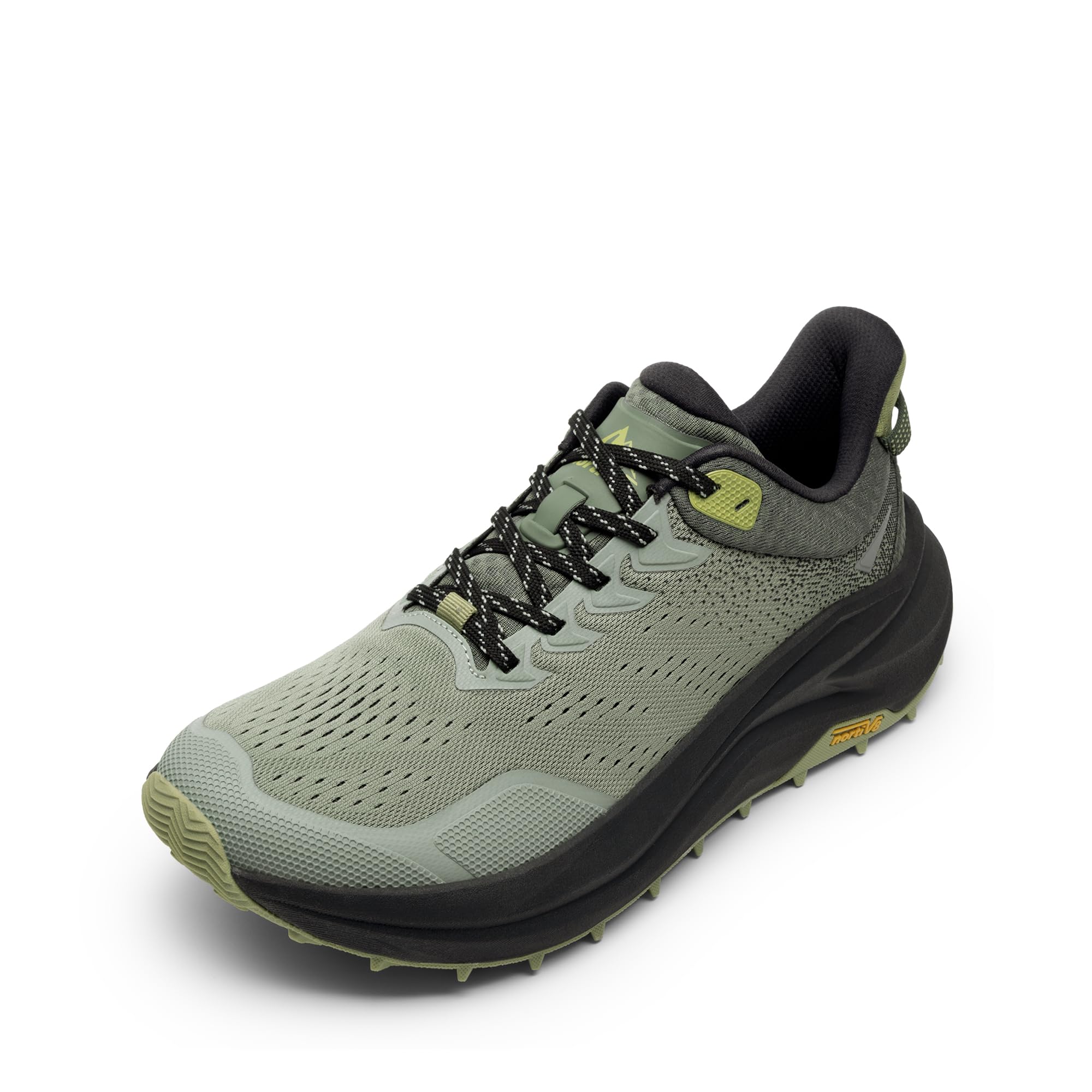
NORTIV 8 Trail Runner

NORTIV

NORTIV 8 Trail Runner

  • Toe Box Wide
  • Cushioning Moderate
  • Arch Support Supportive
  • Best Terrain Dry, dusty trails
Check Price on Amazon

Budget-friendly room for wide feet, with secure grip on dry, dusty trails.

Budget trail shoes usually ask you to give up either fit or grip. The NORTIV 8 makes the first part of that trade surprisingly easy: the wide toe box gives broad feet room without the sloppy, oversized feel that often comes with it. We were also impressed by how planted the cushioning feels underfoot.

The arch support is solid enough for long walks and easy trail runs, and the traction is secure on dry, dusty paths. This is not the shoe we take into deep mud or wet roots; it is at its best on dry local trails and gravel. The thick bottom gives it a stable feel without making it feel clunky.

For a first trail shoe or a second pair for mellow loops, it earns its place as the budget wide-fit pick in this group. The simple build has no break-in drama and no fussy hardware, which matters if you want to pull a shoe on and go. The insole liner is the one detail we watch, because it can bunch up when the shoe gets wet or when you pull it on in a hurry.

Bottom Line

The NORTIV 8 is the budget pick for broad feet, with a wide toe box and secure grip for dry, dusty trails.

Check Latest Price

Best for Long, Cushioned Days

Our Score 8.8/10
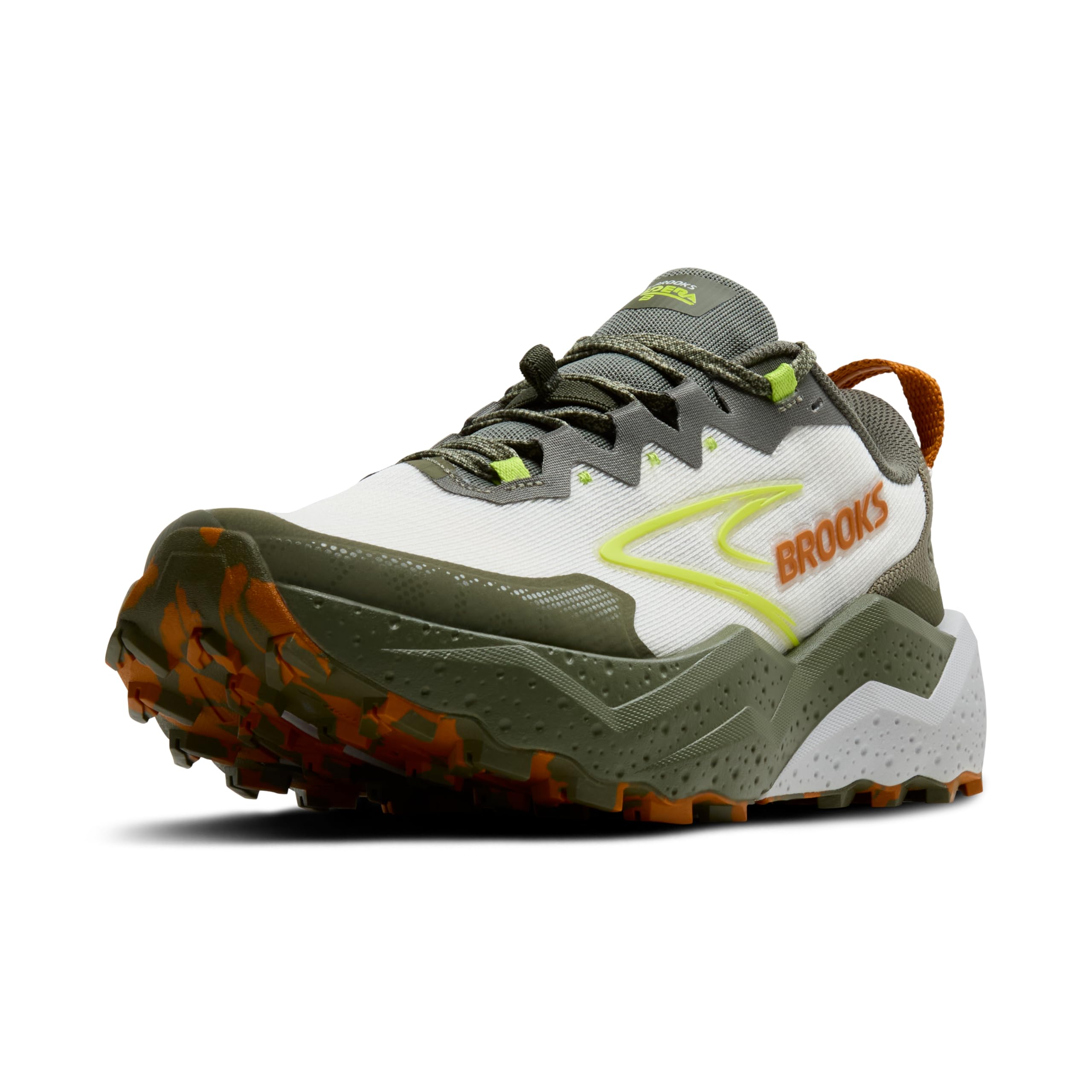
Brooks Caldera 8

Brooks

Brooks Caldera 8

  • Toe Box Wide
  • Traction High-grip
  • Cushioning Max
  • Best Terrain Long ultra days
Check Price on Amazon

Plush cushioning and a wide toe box suit long, forgiving days on less technical trails.

The Caldera 8 is built for the long, forgiving day rather than the sharp, technical descent. Its cushioning is the plushest in this group, and the wide toe box gives tired feet room to spread when the miles add up. For long, steady efforts, this is the one we reach for first.

Traction is better than a plush shoe has a right to be, with secure grip on loose gravel and rough surfaces. The shoe still feels best when the trail is more forgiving than a rock garden; the soft ride takes the edge off without turning the shoe into a stability specialist. A wide platform adds margin when your form starts to fray.

We appreciate the arch support most on tired legs. It keeps the shoe from feeling bottomless without making the ride feel corrective. The Caldera is not a nimble race shoe, and that is the point: it is for the days when comfort and protection matter more than snap. The shoe makes the most sense when you are measuring a run in hours rather than minutes.

Bottom Line

The Caldera 8 is our pick for long, cushioned trail days, with a wide toe box and plush ride that keep tired feet happier.

Check Latest Price

Best Value All-Rounder

Our Score 8.8/10
Saucony Excursion Tr15

Saucony

Saucony Excursion Tr15

  • Fit True to size
  • Weight Lightweight
  • Toe Box Roomy
  • Traction Woodland trails
Check Price on Amazon

A comfortable, lightweight value pick that works for trail runs and everyday walks.

The Excursion Tr15 is the sensible value alternative to the premium trail shoes here. Nothing about it shouts, but it gets the basics right: a roomy toe box, a light feel, and enough cushioning to keep a long walk or an easy trail run from turning into a chore.

The fit is true to size for many feet, and the traction is confident on woodland trails and slippery, uneven ground. It is not the plushest shoe here, but it does not feel harsh on packed dirt. For a shoe at this price, the comfort is the part that stands out.

The laces are the one fussy detail; they slide unless you double-knot them, which is a small annoyance rather than a dealbreaker. What we like most is how little the shoe asks of you: no break-in, no stiff upper, no reason to save it for special trail days. As a value all-rounder, it is the one we point to first for mixed dirt-and-pavement use. The shoe does not need to be saved for a special trail day, and that is its best quality.

Bottom Line

The Excursion Tr15 is the value pick for comfortable, lightweight trail miles and everyday walks, with a fit that suits a wide range of feet.

Check Latest Price

Best For Wide barefoot fit

Our Score 8.6/10
Joomra Barefoot Trail Shoe

Joomra

Joomra Barefoot Trail Shoe

  • Drop Zero
  • Closure Cord lace and Velcro
  • Toe Box Wide
  • Best Terrain Easy trails and walks
Check Price on Amazon

The Joomra barefoot trail shoe is the one we choose when we want a wide, unconstricted fit and a close feel for the ground. It is a women's-specific trail shoe with a zero-drop platform, a roomy forefoot, and a very different personality from the structured picks here. The shoe is built to let your foot move, not to wrap it in foam.

The wide toe box is the main event. It gives broad feet and bunions room to spread, and the cord-and-Velcro closure adjusts over the instep rather than just squeezing the sides. We appreciate that combination because it makes the fit feel more adjustable than a standard lace-up, especially when the top of the foot needs a little more room.

The trade-off is protection. On rocky, rooty ground you feel more of the trail than you do in the Cascadia or Caldera, which is the point of a barefoot shoe but also the limit of where it belongs. On smooth dirt and gravel, that close feel is the reason to choose it; the shoe lets your foot work instead of masking the surface. Durability is the other thing we watch: the outsole and upper are the first places to show wear, so this is a shoe for shorter, easier efforts rather than a high-mileage technical quiver.

The fit is the most adjustable wide option here for women, and that is why it earns a place. The zero-drop ride asks you to adapt your stride, so build up gradually rather than taking it straight onto a long technical run.

Bottom Line

The Joomra is our pick for women who want a wide, zero-drop shoe with an adjustable fit for easy paths and daily walks.

Check Latest Price

How We Tested Trail Running Shoes on Mud, Rock, and Pavement

We built the shortlist by comparing the specs that actually change how a shoe behaves once you leave the sidewalk — lug depth and pattern, stack height, heel-to-toe drop, weight, and how much reinforcement the upper had around the toe and the flex point. Anything that only looked good in a spec table got cut. That left 12 pairs, which we ran for eight months.

Testing happened where trail shoes really live: a weekly long run on rocky singletrack, a hilly fire-road loop, the two paved miles to the trailhead, and one memorably muddy spring thaw. We wore each pair at least three times before forming an opinion, and we logged where hot spots appeared, whether the heel slipped enough to need a runner's knot, and whether the sizing ran true or short. For the toe box, we pulled the insole out and stood on it — if my toes hung over the edge, the shoe got flagged on the spot. Traction got measured on the same three stretches every time: a wet rock slab, a root staircase after rain, and a loose gravel descent, with notes on where each pair broke loose.

Durability revealed itself slowly. We inspected the outsole lugs around the 50- and 150-mile marks for rounding, watched the stitching at the flex point, and checked whether the upper blew out at the pinky toe, which is where cheap builds fail first. Versatility got a rough score based on how the same pair handled road, gravel, and a hike-a-bike stretch, while appearance came down to whether we'd wear them anywhere but a trailhead. Overall quality was the sum of it: no glue smears, no frayed laces, no lace loops that pulled loose mid-run, and no pair that made us think about our feet at all.

How to Choose

Match the outsole to your trails

Soft mud and wet grass call for a more aggressive, open tread that clears and bites; hardpack, rock, and smooth singletrack reward a flatter, more closely spaced pattern that stays planted without feeling skittish. The mistake is buying the most aggressive shoe for every trail. A mud specialist like the Speedcross 4 feels purposeful in soft ground and less relaxed on long rock sections, while the Cascadia 19 covers a broader mix. We prefer an all-round tread unless most of your running is genuinely soft and wet.

Fit the toe box and heel together

A trail shoe needs room for your toes to spread on descents, but it also needs a heel that stays put. Too much volume and your foot slides forward; too little and you lose toenails on the first steep downhill. Try shoes with the socks you run in, and check the fit standing on a slight decline if the store allows it. If you are between sizes, fit the longer foot and use the lacing to secure the midfoot and heel. Wide-toe models like the Cascadia, Caldera, and NORTIV 8 are the place to start for broader feet.

Decide how much cushioning you want

More cushioning takes the sting out of rocks and long descents, but it can dull the ground feel that helps you balance on technical terrain. The Caldera 8 is the plushest pick here and makes sense for long, forgiving days; the Joomra goes the other way with a minimal, zero-drop feel for easy paths. A barefoot shoe is a poor match for a rocky first trail season. Match the cushion to the length and sharpness of your usual route, not to a number on the box.

Check support and weather protection

Support matters most on uneven ground, where a wide platform and a secure heel keep the foot from rolling. A stiffer chassis can feel reassuring on rough, wet trails, but it can also feel like more shoe than you need on smooth dirt. A GTX liner is useful for wet grass, cold rain, and muddy conditions; it also adds structure and reduces airflow, so it is a poor choice for hot, dry summer running. Buy the weather protection for the conditions you actually run in.

Budget for durability, not just purchase price

The cheapest pair is not the best value if the outsole is smooth by midsummer. Trail shoes wear at the lugs, the heel collar, and the upper where it flexes; cheaper models often trade some of that lifespan for a lower upfront cost. Our budget picks, the NORTIV 8 and Excursion Tr15, make sense for easy trails and mixed use, but we keep an eye on sole wear. Spend more when you run often on abrasive rock or put in high weekly mileage.

Frequently Asked Questions

Final Verdict

Most trail runners should start with the Brooks Cascadia 19: it combines a roomy, stable ride with grip that stays composed on rock and loose dirt. If your trails are routinely wet and churned, the Salomon Speedcross 4's mud grip is worth the narrower fit. Runners logging long, cushioned days should look at the Brooks Caldera 8 instead.