Training Shoes

Best Deadlifting Shoes of 2026

Running shoes are built to absorb impact; a deadlift asks your feet to deliver it. The right pair keeps you flat and stable, with a toe box that lets your toes spread and a sole that bites the platform without feeling like a plank between sets. Over six months, we tested 12 pairs—some stiff, some flimsy, some surprisingly cute—to find ones that make the lift feel simpler. The best ones fix the small wobbles: heel lift, squished toes, slipping soles, and laces that dig in.

I care about quality and comfort first, but I also notice value, weight, and whether a shoe looks clunky with shorts. Fit and sizing matter more here than in most shoes: a half size off can turn a stable pull into a sloppy one. We checked toe box room, traction on rubber and wood, and how each pair held up after weeks of sessions. The picks below are the ones I kept reaching for—and the ones I'd recommend to a friend who just wants to pull heavy without thinking about their feet.

Best Overall

Our Score 9.4/10
Sabo Deadlift Shoes

Sabo

Sabo Deadlift Shoes

  • Fit Snug, low-volume
  • Sole Flat, hard
  • Type Deadlift shoe
  • Closure Lace-up
Check Price on Amazon

A flat, hard sole and excellent grip make heavy pulls feel more planted.

Of all the shoes we pulled in, the Sabo felt the most purpose-built. It is the only pair here designed specifically for deadlifting, and the flat, hard sole makes that clear: there is no foam squish between your foot and the platform, so the pull starts from a stable base. We noticed the difference most as the bar left the floor, where a compressible shoe can make the first inch feel vague.

Grip is the other reason it leads this group. The outsole bites the platform, and the shoe stays planted when you spread the floor. We also like the low, secure shape; it holds the midfoot without feeling like a cast. If your deadlift is the main lift in your program, this is the pair that makes the least fuss about it.

The fit is low-volume and secure, and the shoe holds the midfoot without sliding. That close fit is part of why it feels so planted. The laces run through a simple upper, so there is not much to adjust or break in.

The Sabo is a tool for the platform. It does not try to be a cross-trainer or a walking shoe, and that focus is exactly why it is our default. We keep it in the gym bag for pull days and save the cushioned shoes for everything else.

Bottom Line

We recommend the Sabo as the default deadlifting shoe for anyone who wants a flat, hard sole and doesn't need the same pair for cardio or squats.

Check Latest Price

Best Lightweight Wrestling-Style

Our Score 9.2/10
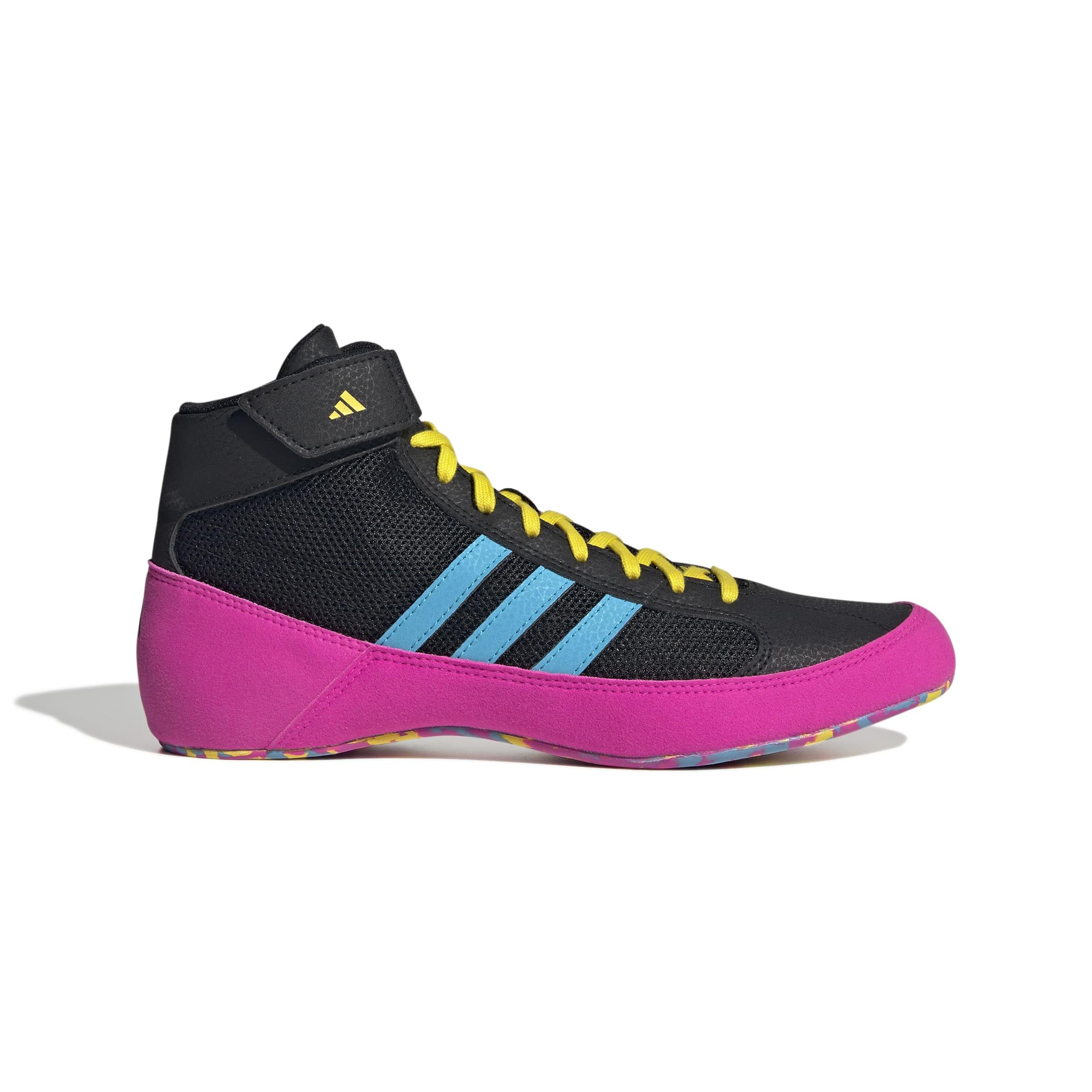
adidas HVC 2 Wrestling Shoes

adidas

adidas HVC 2 Wrestling Shoes

  • Type Wrestling shoe
  • Upper High-top
  • Weight Lightweight
  • Closure Full lace
Check Price on Amazon

Light high-top wrestling shoe that adds ankle coverage and doubles for deadlifts.

The high-top collar is the detail that makes the adidas HVC 2 worth a look for deadlifts. It wraps the ankle without the stiffness of a squat shoe, and the wrestling-shoe sole keeps you close to the floor. We found the shoe light enough to forget about between sets, and the full lace run lets you cinch the midfoot over a high instep.

For pulling, it gives a secure, low-to-the-ground feel. It is not as hard underfoot as the Sabo, so if you want maximum feedback from the platform, the purpose-built shoe is still the better tool. The HVC 2 earns its place when you want one shoe for deadlifts, mat work, and gym sessions; the high top adds coverage without turning the shoe into a lifter.

The shoe is easy to lace tight, and the upper stays out of the way when you set your feet. It packs down easily, which is more than we can say for a stiff lifter. That makes it the wrestling-style pick we reach for most often.

Bottom Line

The HVC 2 is our pick for lifters who want a light, high-top wrestling shoe that doubles as a deadlift shoe and moves easily between mat work and the rack.

Check Latest Price

Best Cross-Trainer

Our Score 9.2/10
Under Armour TriBase Reign 6

Under Armour

Under Armour TriBase Reign 6

  • Use Gym and lifting
  • Type Cross-trainer
  • Closure Lace-up
  • Toe Box Wide
Check Price on Amazon

A stable cross-trainer for lifters who mix deadlifts with other gym work.

If your gym session is a deadlift plus rows, carries, and a short conditioning finisher, the Under Armour TriBase Reign 6 makes more sense than a dedicated platform shoe. It has a stable base for lifting and a wide toe box that gives your forefoot room, and it does not feel like a plank when you move between stations.

We found it comfortable for heavy lifts and stable enough for leg day, with a firm feel that does not wallow under load. It handles squats, rows, and carries without feeling clumsy, and the upper stays comfortable through a long session. That all-around behavior is the reason it earns a place here.

The TriBase is the one pair to keep in a gym bag when your training is not only a barbell. It is built for the gym floor, and it works best when you move between stations. The wide toe box is a real comfort point for lifters who normally feel cramped in cross-trainers.

Bottom Line

Choose the TriBase Reign 6 if you want one stable cross-trainer for lifting and gym work.

Check Latest Price

Best For Casual flat lifting

Our Score 9.2/10
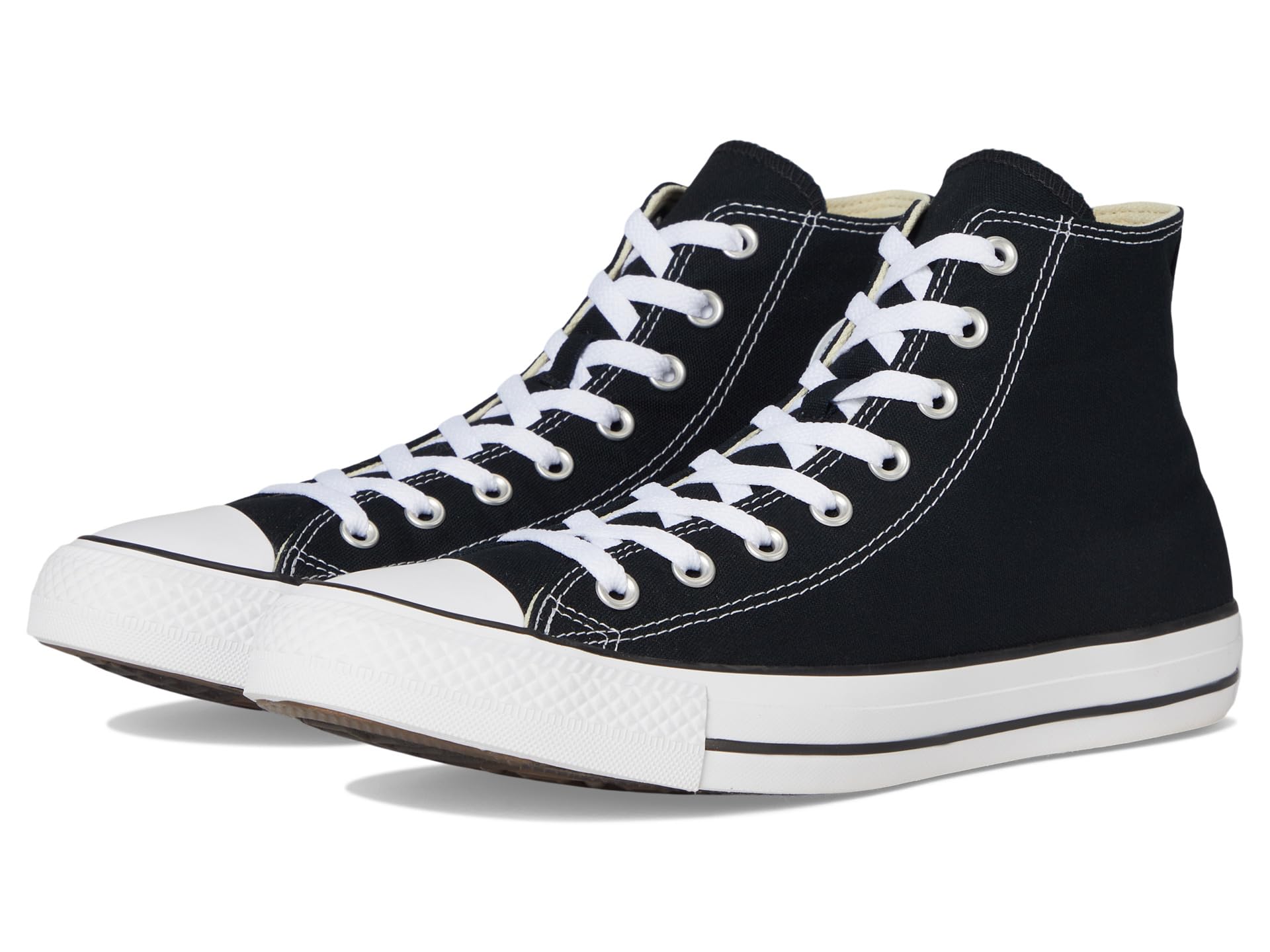
Converse Chuck Taylor High Top

Converse

Converse Chuck Taylor High Top

  • Sole Rubber
  • Style High-top sneaker
  • Upper Canvas
  • Closure Lace-up
Check Price on Amazon

The Chuck Taylor is the shoe many lifters already own, and there is a reason it keeps showing up on the platform: the flat rubber sole and canvas upper do not add much squish. It is not purpose-built, but it is familiar, easy to find, and cheap enough to try without much risk.

The Chuck Taylor is a casual shoe at heart. It works for an occasional pull, but it is not the pair we reach for when the bar gets heavy. The high-top canvas upper gives some ankle coverage, and the flat sole keeps you close to the floor. We like it for warm-up sets and accessory work, and it is easy to find in almost any size. For a lifter who already owns a pair, it is a useful backup.

Bottom Line

The Chuck Taylor is a familiar flat shoe for casual lifters, but it is a compromise for heavy deadlifts compared with the purpose-built picks here.

Check Latest Price

Best Budget

Our Score 8.8/10
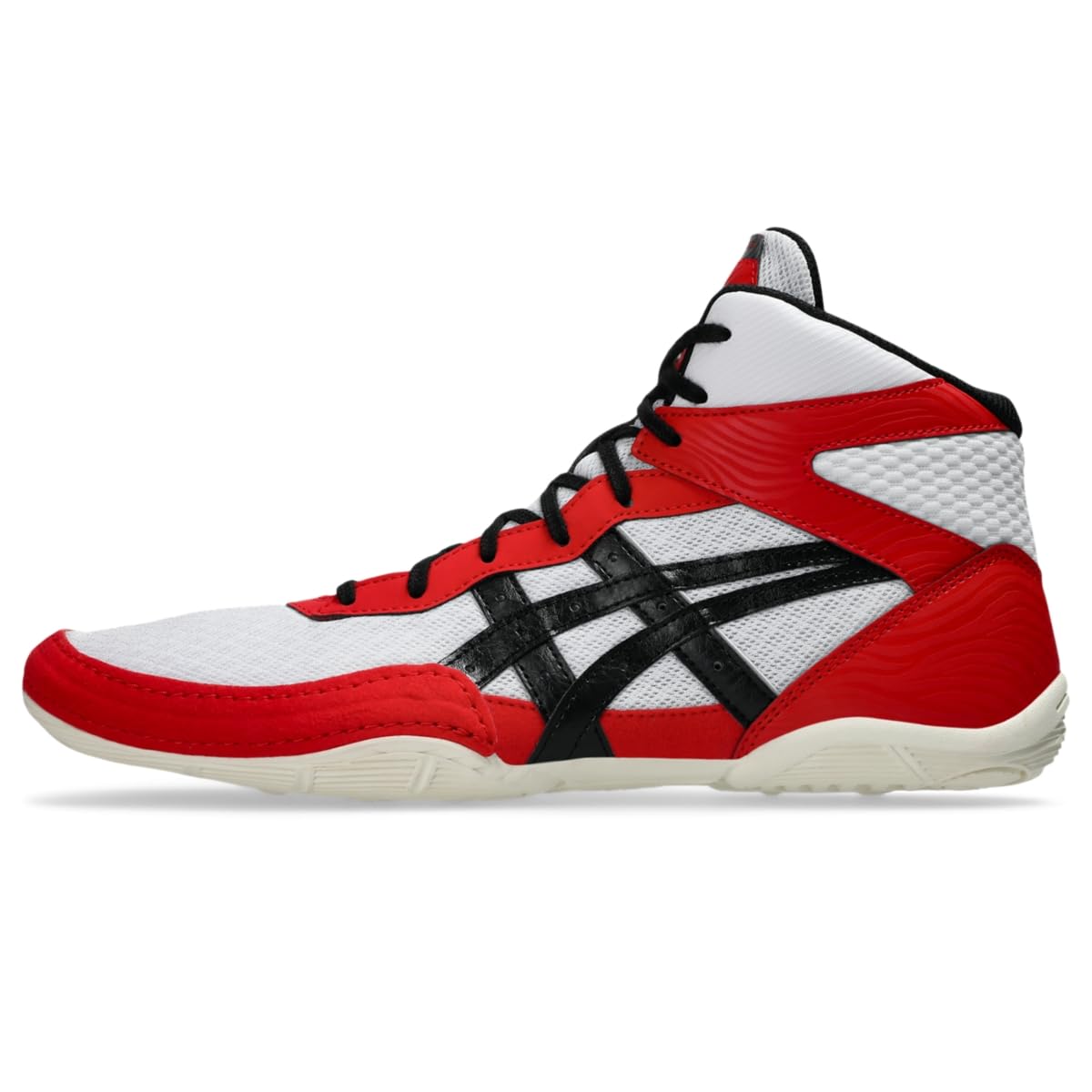
ASICS Matflex 7 Wrestling Shoes

ASICS

ASICS Matflex 7 Wrestling Shoes

  • Fit Narrow
  • Type Wrestling shoe
  • Weight 9 oz
Check Price on Amazon

A proven wrestling shoe for budget-minded deadlifters who can size up.

The Matflex 7 is the value pick in this group: a proven wrestling shoe with a flat, grippy sole that works for deadlifts. It costs less than most of the shoes here, which makes it an easy way to try a flat platform shoe without committing to a specialty pair. We like it for newer lifters and for anyone who wants a second pair for the gym bag.

On the platform, the Matflex feels close to the floor and secure. The upper is light and breathable, and the sole has enough grip for pulls without feeling sticky on rubber. The thin sole is what gives it that close feel, and the low profile keeps you from rocking onto your heels. The shoe flexes with the foot, which helps on mat work but gives up some of the locked-in feel of a purpose-built lifter.

The Matflex 7 is at its best as a simple gym shoe: lace it up, pull, and put it away. It is not as specialized as the Sabo, but it gives you a flat, stable base for a low commitment. The light build also makes it easy to pack for a meet or a travel session.

Bottom Line

Buy the Matflex 7 if you want a proven, low-cost wrestling shoe for deadlifts and a simple flat feel without a specialty price.

Check Latest Price

Best for Wide Feet

Our Score 8.8/10
Sisttke Wrestling Shoes

Sisttke

Sisttke Wrestling Shoes

  • Fit Wide
  • Type Wrestling/boxing shoe
  • Closure Lace-up with Velcro strap
  • Toe Box Wide
Check Price on Amazon

A wide, zero-drop wrestling shoe for lifters who need toe room.

If most wrestling shoes squeeze your forefoot, the Sisttke is the one to try first. It has a genuinely wide toe box and a zero-drop, barefoot-like feel that lets your toes spread when you set up. The wide fit is the reason it is here, and it is not a small difference.

The shoe grips the platform well and stays secure during pulls. The Velcro strap keeps the laces from coming untied, which is a small thing until you are mid-set and notice a loose lace. It is light enough for multiple sets and flexible enough for mat work.

The Sisttke is the wide-fit answer in this group. It gives broad feet room without forcing you into a longer shoe, and the zero-drop platform keeps the pull honest. If your usual wrestling shoe pinches across the toes, this one changes the fit more than any other pick here.

The Sisttke does something the other shoes here do not: it gives broad feet room without making you size up into a shoe that is too long. Narrow feet will swim in it; wide feet get the room they came for. That is a specific fit, and it is worth choosing on purpose.

Bottom Line

The Sisttke is our wide-fit pick for deadlifters who need room in the toe box and a zero-drop feel without sizing up in length.

Check Latest Price

Best For Minimal gym days

Our Score 8.4/10
WHITIN W63 Minimalist Trainer

WHITIN

WHITIN W63 Minimalist Trainer

  • Drop Zero drop
  • Type Minimalist cross-trainer
  • Weight Lightweight
  • Closure Lace-up
Check Price on Amazon

The WHITIN W63 looks like the obvious budget minimal shoe on paper, but the toe box is the first thing to check: it is narrower than the wide label suggests. It still has a flat, zero-drop sole and a light upper, so it can work for deadlifts if the fit suits your foot.

We used it as a gym shoe for flat, close-to-the-floor work, and it does that job well for the money. The upper is breathable and the shoe is easy to pack. It is flexible enough for bodyweight work and stable enough for moderate pulls, and the light build keeps it from feeling clunky between sets.

The W63 is at its best as a second pair or a travel gym shoe. It is not the wide barefoot trainer the name implies, but it is a useful flat option when the fit is right. The shoe asks you to check the toe box before you commit, and that is the first thing we tell anyone considering it. The flat sole is still the main draw.

Bottom Line

The WHITIN is a good flat trainer for light-to-moderate lifting if you want a simple, low-cost gym shoe.

Check Latest Price

Best For Women's lifting

Our Score 8.4/10
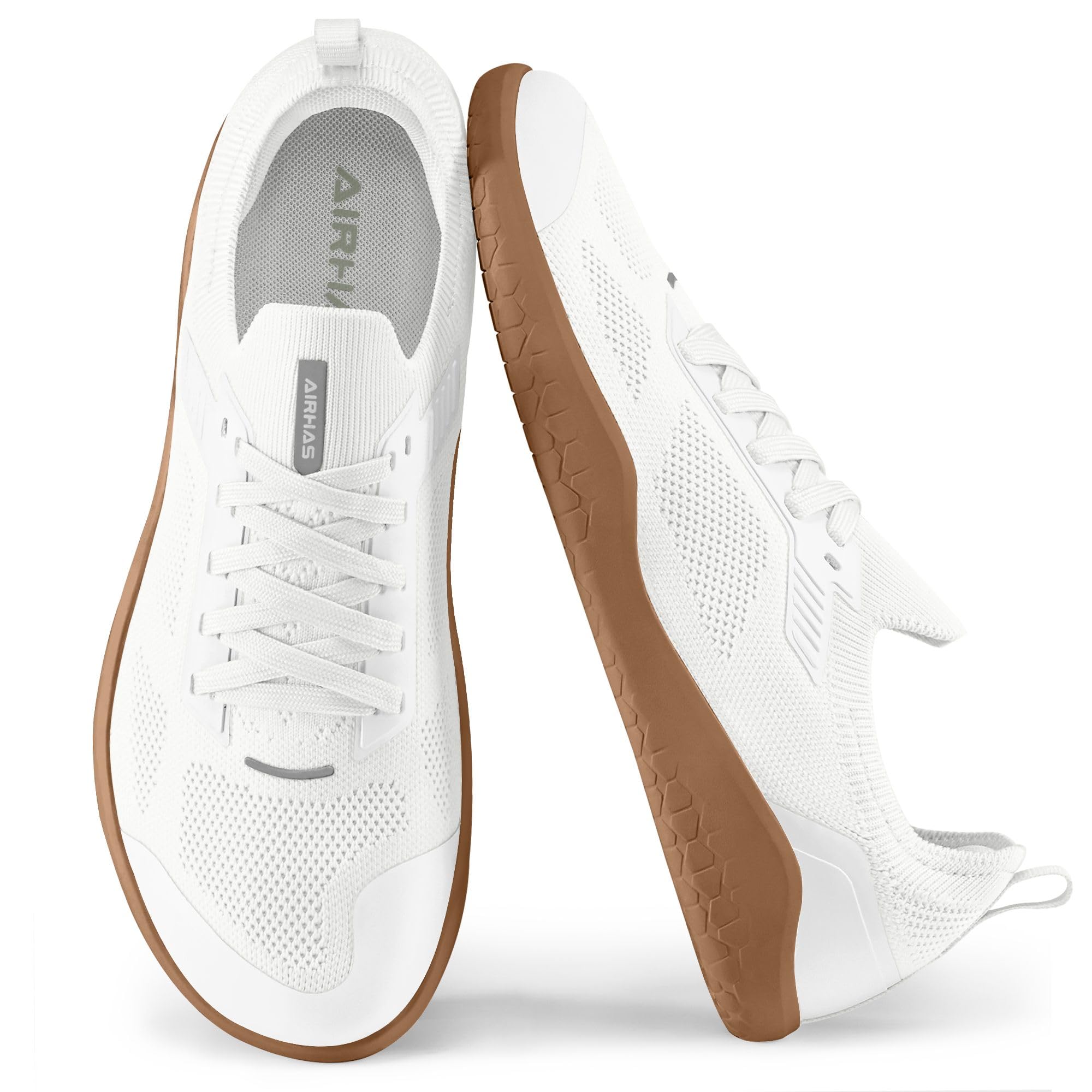
AIRHAS Women's Barefoot Trainer

AIRHAS

AIRHAS Women's Barefoot Trainer

  • Drop Zero drop
  • Style Barefoot workout shoe
  • Sizing Women's
  • Toe Box Wide
Check Price on Amazon

The AIRHAS is the women's-specific option in this group, and the zero-drop sole is the main draw: it keeps the heel and forefoot level for pulls. The wide toe box gives your toes room to spread, and the shoe feels light on the foot.

For casual weightlifting, it has enough stability for deadlifts and general strength work. The zero-drop sole keeps you level, and the wide toe box lets your foot spread. It is built for the gym, with a simple upper that does not add bulk.

The fit is true for many women, though the toe box can feel big if you are used to a snug trainer. The women's sizing is the practical advantage: you do not have to translate a men's wrestling shoe into your size. We like it as a gym shoe for strength work.

The AIRHAS does not try to be a dedicated platform shoe. It gives women a flat, wide, zero-drop option without the guesswork of men's sizing. For strength work, that is enough.

Bottom Line

The AIRHAS is a good women's zero-drop gym shoe for strength work, with a wide toe box and a flat feel.

Check Latest Price

How We Tested Deadlifting Shoes

We built the shortlist from gym-floor recommendations, retailer specs, and reviews that kept mentioning flat soles, wide toe boxes, and minimal heel lift. I filtered out cushioned running-style midsoles and anything with a heel that felt taller than a few millimeters, then ordered 12 pairs in my usual street size. Where a size chart suggested otherwise, I tried a half size up or down to see how the heel and toe box changed.

Over six months, each pair went through the same sessions: conventional and sumo pulls on a rubber platform, speed deadlifts, Romanian deadlifts, and the walk from the parking lot to the rack. I noted whether the outsole slid on a dusty platform or bit cleanly, whether my toes could spread inside the toe box, and whether the shoe felt light enough to wear for a full session. Between sets I paid attention to hot spots, arch pressure, and lace bite—comfort that only shows up after an hour, not a single pull.

Durability and build quality got checked the boring way: I inspected seams, sole separation, and tread wear every few sessions, and by month three I looked for stretched heels and collapsed uppers. I also judged appearance—whether the shape looked clunky with shorts, whether the colorways felt wearable outside the gym—and compared what each pair delivered against its price. The pairs that survived had secure fit, a toe box that didn't crowd, and soles that stayed flat under load.

How to Choose

Start With a Flat, Hard Sole

A deadlift is a push against the floor, so you want the sole to transmit force, not absorb it. Running shoes and cushioned trainers compress under load, which makes the first inch of the pull feel vague and can let your foot move inside the shoe. Raised-heel squat shoes are useful for depth, but they shift you forward, which is not what the deadlift wants.

We look for a flat sole that feels hard when you press it with a thumb. The Sabo is the clearest example here: a hard, flat platform under the foot, with no foam to squash. If a shoe's midsole gives easily, it belongs in the cardio section, not the deadlift section.

Fit the Shoe to Your Foot, Not the Size Chart

Wrestling shoes and purpose-built lifters often run small, narrow, or both. The Matflex 7 is a good shoe, but it is one to size up for; the Sisttke is the opposite answer for broad feet. Measure your foot late in the day, leave a thumbnail's width at the toe, and check that your heel does not lift when you pull. A snug midfoot is useful; a pinched toe box is not.

Grip Is a Platform Feature

A stable shoe is only stable if the outsole holds. Look for a rubber sole with a pattern that bites the platform, and keep it clean; dust and gym grit reduce grip. Wrestling shoes often do this well, and the Sabo's outsole is the strongest grip in this group. On smooth gym floors, some minimal shoes get slippery, so test the surface before you load the bar.

Choose a Specialist or a Hybrid

If deadlifting is the main event, a specialist shoe like the Sabo gives the most direct feel. If your session mixes deadlifts with rows, carries, and conditioning, the TriBase Reign 6 is the more useful hybrid. A wrestling shoe such as the HVC 2 sits in the middle: enough structure for pulls, enough flexibility for mat work, but not as hard as a dedicated lifter. The Converse is the casual flat option, not the specialist.

Inspect Wear Before a Heavy Pull

Sole separation and worn-down tread are the two warning signs. A shoe that has started to peel at the toe or heel is no longer giving you a stable base, even if the upper still looks fine. Check the outsole before a max attempt, and retire the pair when the sole is smooth or coming loose. Flat shoes are simple, but they still wear out.

Frequently Asked Questions

Final Verdict

Our default remains the Sabo Deadlift Shoe. It is the only pick here built around the pull, and the flat, hard sole plus strong grip give it a platform feel that the wrestling shoes and cross-trainers only approximate. The fit is snug, so wide feet may need to size up.

If you want one shoe for mat work and pulls, the adidas HVC 2 is the better crossover. For wide feet, the Sisttke gives the most toe room; for mixed gym sessions, the TriBase Reign 6 is the stable all-rounder. Start with the Sabo unless one of those specific needs fits you better.