Nutrition & Supplements

Best Low-Calorie Protein Bars of 2026

A low-calorie protein bar makes a small promise: some protein, a little sweetness, and a number on the wrapper that won't wreck your day. The catch is how most bars keep that number down — by shrinking to two bites, or by leaning on sugar alcohols that leave a cold film on the roof of your mouth. I've eaten enough of them at my desk at 3 p.m. to know the difference between a bar that carries me to dinner and one that has me back in the office candy jar twenty minutes later. The right bar is low in sugar but still big enough and good enough to count.

We spent three months eating 16 of them, and the ones that won were the ones I'd buy again with my own money. One thing worth knowing before you shop: the protein number on the front tells you less than the ingredient list does. A bar built on milk or soy protein isolate holds you longer than one padded out with collagen and fiber syrup, even at the same gram count. The picks below were judged on how they actually eat, and how long they hold.

Best Light and Crispy

Our Score 9.2/10
Power Crunch Vanilla Cream

Power

Power Crunch Vanilla Cream

  • Count 12 bars
  • Sugar 0.18 oz
  • Texture Crispy wafer
  • Protein Per Bar 0.46 oz
Check Price on Amazon

A crisp wafer bar for when dense protein bars feel like too much.

A wafer bar is a different answer to the low-calorie problem: instead of a dense chew, Power Crunch gives you layers of crisp protein wafer. We noticed the difference immediately; it eats more like a cookie than a brick, and that makes it easy to finish when a heavier bar feels like too much.

The trade-off is protein. At 13g per bar, it sits below the 20g leaders here, so we treat it as a lighter snack rather than a post-lift recovery bar. The 5g of sugar is modest, and there are no sugar alcohols, which matters if you're sensitive to the aftertaste some low-carb bars leave. The vanilla cream flavor is sweet without being cloying, and the 1.4-ounce size fits in a jacket pocket.

The wafer holds its crunch best straight from a cool pantry; in a warm bag it softens and loses the contrast between layers. We kept a box in the office and found it disappeared fastest in the afternoon, when nobody wanted a heavy chew. If you want the highest protein number, keep looking; if you want a bar that feels light and still gives you a useful protein hit, this is the one we reach for.

Bottom Line

When a dense protein bar feels like too much, we reach for Power Crunch's crisp wafer and 13g of protein.

Check Latest Price

Best For Crunchy pantry snack

Our Score 9.2/10
Nature Valley Protein Chewy Granola

Nature

Nature Valley Protein Chewy Granola

  • Count 15 bars
  • Flavors 3 flavors
  • Gluten Free Yes
  • Protein Per Bar 0.35 oz
Check Price on Amazon

Nature Valley's protein bar is a granola bar first, with a crunch that none of the chewy picks here can match. We reached for these when we wanted something to eat with coffee rather than a dense slab to chew on the way to the gym.

The protein number is honest but modest: 10g per bar. The three-flavor variety pack, with peanut butter dark chocolate, salted caramel nut, and peanut almond dark chocolate, keeps the box from getting boring, and the bars are gluten-free with no artificial flavors or colors.

Texture holds up well in a lunchbox, which is more than we can say for some chewy bars that turn hard by noon. We also liked that the bars are individually wrapped and easy to toss in a bag. At the budget end of this group, they're an easy box to keep around for people who want crunch more than a protein number.

Bottom Line

We reach for Nature Valley when we want a crunchy, budget-friendly snack with a modest protein boost.

Check Latest Price

Best Overall

Our Score 9.0/10
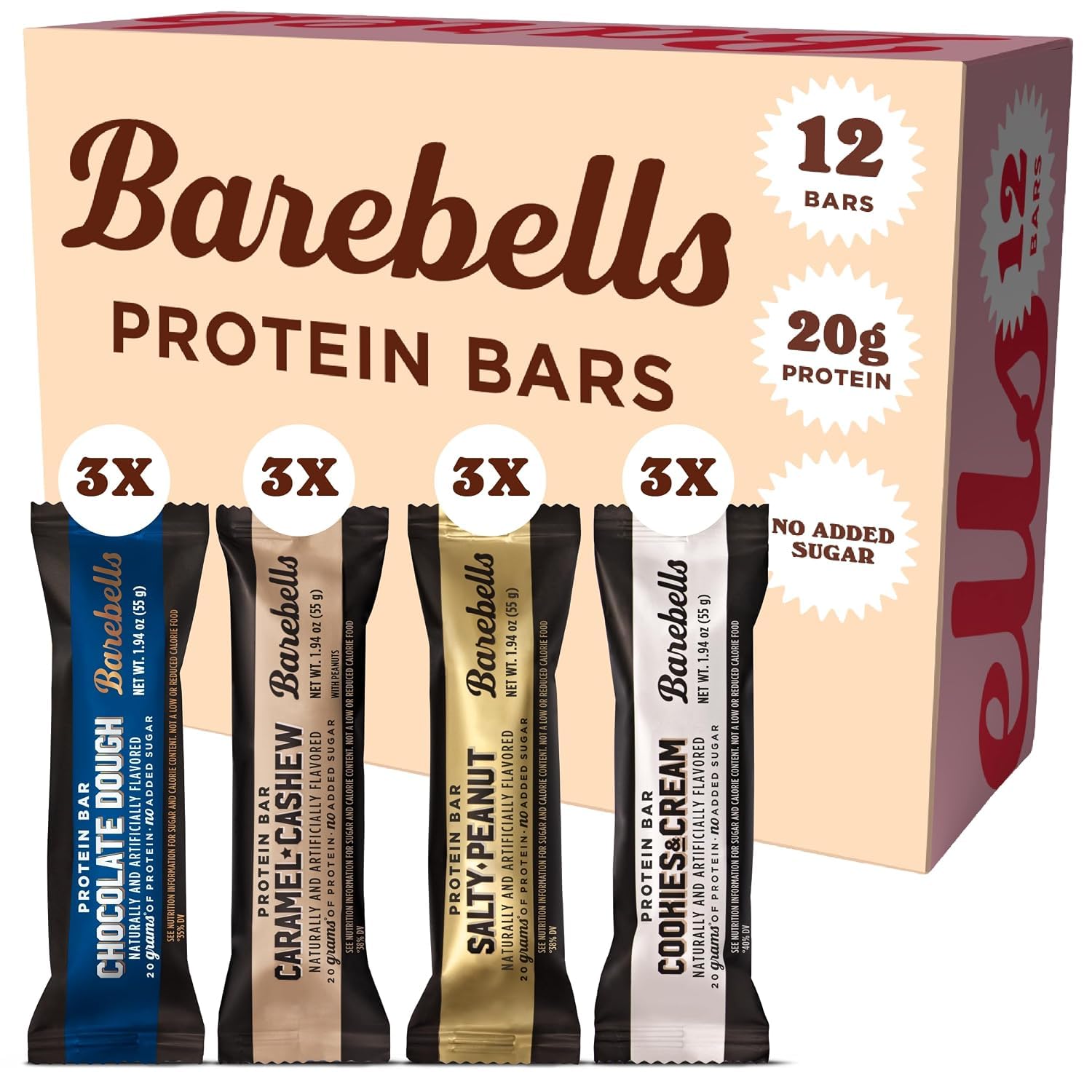
Barebells Classics Variety Pack

Barebells

Barebells Classics Variety Pack

  • Count 12 bars
  • Sugar No added sugar
  • Texture Soft and crisp
  • Protein Per Bar 0.71 oz
Check Price on Amazon

A soft, candy-like bar with 20g protein and no added sugar.

The first bite is the reason Barebells earns the top spot: the center is soft, the coating has a clean snap, and it tastes closer to a candy bar than to a chalky supplement. We were surprised by how little jaw work it takes. A 20g protein bar that doesn't feel like a chore is the whole point of this category, and this one clears that bar better than anything else here.

The macros are the other half of the argument. Each bar has 20g of protein and no added sugar, with only a gram of sugar in the varieties we tried. That's the profile we want when we're watching calories but still need a snack that holds us until the next meal. The 12-bar variety pack is also useful for anyone who hasn't settled on a flavor; it lets you rotate through the range before committing to a full box of one.

Texture isn't the only thing that separates it, but it's the main one. The bars are thicker than a wafer and more dessert-like than a plain protein chew, and the variety pack makes it easy to find a favorite. In warm weather the coating can soften in transit, so we check the box on arrival and keep the bars somewhere cool. If you want the best-tasting bar here, this is the one.

Bottom Line

Barebells is the bar we hand to someone who thinks protein bars taste like cardboard: soft, candy-like, and built on 20g of protein with no added sugar.

Check Latest Price

Best Value

Our Score 9.0/10
Pure Protein Variety Pack

Pure

Pure Protein Variety Pack

  • Count 18 bars
  • Sugar Low sugar
  • Texture Dense and chewy
  • Protein Per Bar 20-21g
Check Price on Amazon

The lowest-cost way here to get 20g-plus protein with low sugar.

Pure Protein is the value play in this group, and it doesn't ask you to give up the thing that matters most: protein. Each bar carries 20g or 21g depending on flavor, and the sugar stays low. That combination is why we keep a box around for busy weeks when we want a snack that does a job rather than a dessert that happens to have protein.

The texture is the catch. These are dense, chewy bars, and the chocolate chip variety is the easiest of the three to finish. We found the chocolate deluxe a little firmer, which is fine if you like a bar with some resistance but less pleasant if you want something soft. The 18-count variety pack is the practical choice for a desk drawer or gym bag because it lets you rotate flavors before you commit to a full box of one.

We keep these for the days when we need the protein more than the pleasure. The bars are filling enough to hold until a proper meal, and the low sugar means they don't leave us reaching for something sweet afterward. If you want a soft, dessert-like bar, spend more on the Barebells; if you want the best cost-per-bar route to 20g-plus protein, this is the one we restock.

Bottom Line

We recommend Pure Protein for the lowest cost per bar here: 20g to 21g of protein and low sugar for everyday snacks.

Check Latest Price

Best Clean-Label

Our Score 8.8/10
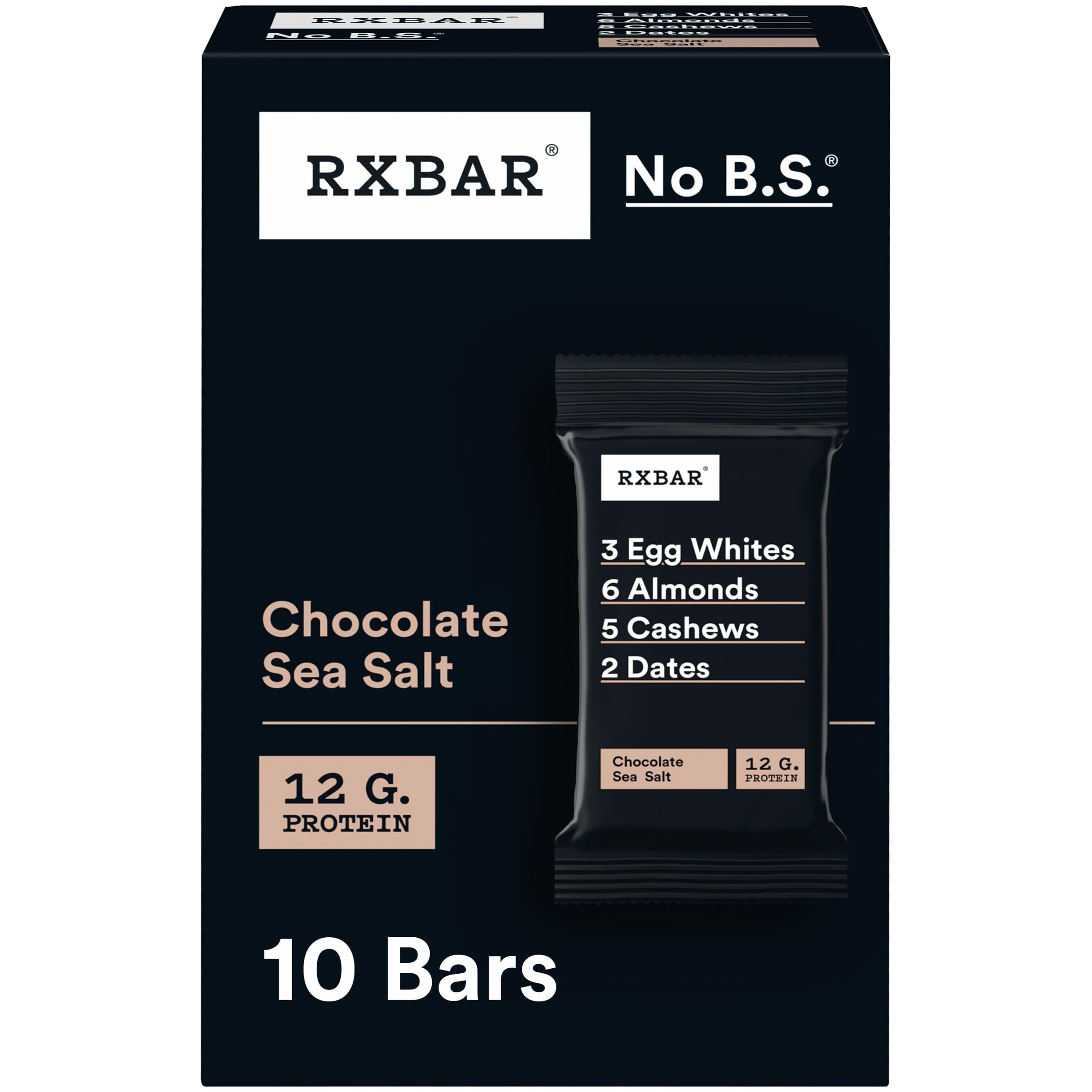
RXBAR Chocolate Sea Salt

RXBAR

RXBAR Chocolate Sea Salt

  • Count 10 bars
  • Gluten Free Yes
  • Ingredients Egg whites, almonds, cashews, dates
  • Protein Per Bar 0.42 oz
Check Price on Amazon

Simple egg-white-and-nut ingredients with 12g protein and no artificial additives.

The ingredient list is the whole pitch: egg whites, almonds, cashews, and dates, with nothing dressed up as a health claim. We like that RXBAR doesn't hide behind a proprietary protein blend. You can read the label and know what you're eating, which is rare in a category full of syrups and sweeteners.

Each bar has 12g of protein, enough for a mid-afternoon snack. The chocolate sea salt flavor is the most balanced of the line: dark enough to feel grown-up, not so sweet that it tastes like dessert. The 10-bar box is smaller than most here, so it works better as a trial or a purse stash than a bulk buy.

The texture is a dense, date-based chew, and it clings to your teeth in a way that a wafer or a soft-coated bar never does. We kept water nearby and found they were easier to eat with a coffee or tea. If you want clean ingredients and don't mind a chew that lingers, RXBAR earns its place; if you want a soft, easy bite, it isn't the one.

Bottom Line

We recommend RXBAR when clean ingredients matter: 12g of protein from egg whites and nuts, with a dense, date-based chew.

Check Latest Price

Best For Keto macro pick

Our Score 8.6/10
Quest Ultimate Variety Pack

Quest

Quest Ultimate Variety Pack

  • Carbs Low carb
  • Count 12 bars
  • Texture Chewy
  • Protein Per Bar 0.71 oz
Check Price on Amazon

Quest's variety pack is the one we reach for when the macro math matters more than the first bite. Each bar has 20g of protein and stays low on carbs, which is the combination that made Quest a default for keto and low-carb eaters long before this test.

The 12-bar pack is a useful way to try the range without committing to a single flavor. The chew is dense and gummy, and it takes real jaw work to get through one. That texture is the price of the protein density; if you want a soft bar, this isn't it.

We kept these for days when we wanted a bar to sit in a bag and deliver protein without worrying about sugar. They're not the bar we hand to someone who dislikes protein bars; they're the one we hand to someone who already eats them and wants the numbers to line up. If texture is your line in the sand, choose the Barebells or Power Crunch instead.

Bottom Line

We keep Quest for macro-first days: 20g of protein and low carbs in a 12-bar variety pack.

Check Latest Price

How We Tested the Best Low-Calorie Protein Bars

We started by reading the nutrition panel and ingredient list on every low-calorie bar we could find across two national grocery chains and a supplement store, then cut anything over 200 calories, under 10 grams of protein, or listing sugar among its first two ingredients. That left 16 bars, which we bought at retail rather than accepting samples, so we were eating the same stock you would.

Testing ran three months, and each bar got eaten where bars actually get eaten: in a gym bag on the ride home from a workout, in a desk drawer at 3 p.m., in a jacket pocket on a hike, and in a car on a six-hour drive. We unwrapped them cold, at room temperature, and after a few hours in a warm bag, noting whether each bent or snapped, how much it stuck to our teeth, and whether we finished it or quietly threw the last third away.

On taste, we compared bars side by side in the same sitting rather than scoring them alone, because a bar that's fine by itself tastes like chalk next to a good one. To judge whether they were genuinely filling, tasters logged whether they wanted something else within the hour, and we weighed that against the calorie and protein counts so a 90-calorie bar didn't get credit for being light when it simply wasn't a snack. We tracked sugar and sugar alcohol content too, since the heavily maltitol-sweetened bars were the ones that left a coating in our mouths.

Value came down to cost per gram of protein rather than cost per box, and we checked expiration dates on every box, because a bar that arrives stale tastes worse than its label promises. Since none of these wrappers reseal, we also noted what happened to a half-eaten bar — whether it survived an hour in a bag or turned into a sticky mess against a phone screen. The bars below are the ones we'd buy again.

How to Choose

Put Protein Before the Calorie Count

A low-calorie bar only earns its place if it carries enough protein to do something. We look for a bar in the 10g to 20g range, with 20g as the target for a snack that needs to hold us until a meal. Check the serving size, too: a tiny bar can look low-calorie because there's less of it, not because the recipe is especially lean. Nature Valley's 10g bar is a good example of a modest protein snack, while Barebells and Pure Protein sit at the protein-forward end.

Read Sugar and Sweeteners Together

Sugar is only part of the sweetness story. A bar can have no added sugar and still taste sweet from sugar alcohols or high-intensity sweeteners, and those are often what leave the aftertaste people notice. Power Crunch uses no sugar alcohols and 5g of sugar; Quest relies on a low-carb formula that some of us find noticeably sweet. If you're sensitive to that lingering taste, try a single bar before buying a 12-pack.

Choose a Texture You'll Finish

Texture decides whether a bar becomes a habit. Dense, chewy bars like Pure Protein and Quest suit people who want a substantial bite and don't mind jaw work; soft, coated bars like Barebells are easier to eat but can soften further in heat; wafer bars like Power Crunch are the lightest option. Sticky date-based bars such as RXBAR cling to teeth, so keep water nearby. If you eat in a hurry, pick the texture that takes the least effort, not the one with the best numbers.

Buy the Pack Size That Matches Your Routine

A variety pack is the smart first purchase because it lets you test flavors before committing to a full box. Once you know what you like, a larger count brings the per-bar cost down, but only if you'll finish it before the best-by date. Store bars in a cool, dry place, and check the date on bulk boxes when they arrive; chocolate-coated bars can soften in warm shipping. A 10-bar box suits a purse or trial, while an 18-bar box makes more sense for a desk drawer.

Frequently Asked Questions

Final Verdict

Barebells is the bar we recommend first because it solves the hardest part of this category: making a 20g protein bar taste like something you want to eat. The 12-bar pack is premium, so it's not the everyday value pick.

If you want to keep the pantry stocked for less, Pure Protein delivers 20g to 21g and low sugar at the lowest cost per bar here, with a denser chew and the occasional freshness risk. For a lighter bite, Power Crunch's crisp wafer is the alternative.